




Cruise is Sailing to a Better Future
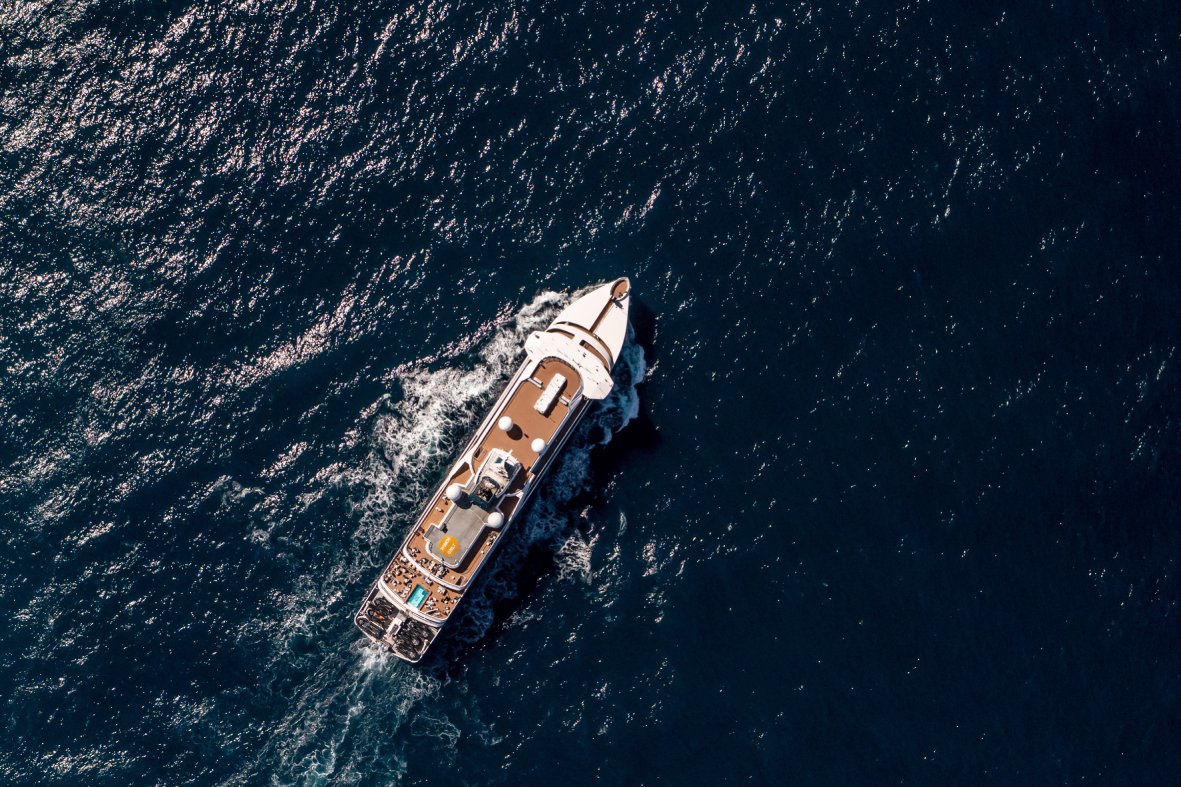
Cruise lines are leading the way toward a more sustainable future, investing in innovative technologies building the future of sustainable cruise travel in their ships today - with new engines that offer fuel flexibility and the ability to run on new, more sustainable energy sources as they become available at scale.
Cruise Lines International Association (CLIA) unites the global cruise community, including prestigious ocean, river, and specialty lines, maritime leaders, ports, destinations, shipyards, and the largest network of cruise travel professionals.

Fleet
310 Cruise Ships
The total number of ships in the 2025 CLIA cruise lines member global fleets.

Environmental
16% Emissions Reduction
On average there was a reduction in CO2 emissions per cruise ship since 2018 by ships in Europe.
Sustainability
267 Freshwater Producing Ships
State-of-the-art systems enable cruise lines to produce up to 90% of water on board rather than draw from areas where resources are limited

Economics
$168.6 Billion Economic Impact
In 2023, the cruise industry generated $168.6 billion in total economic impact globally, a 9% increase over 2019
Global Markets
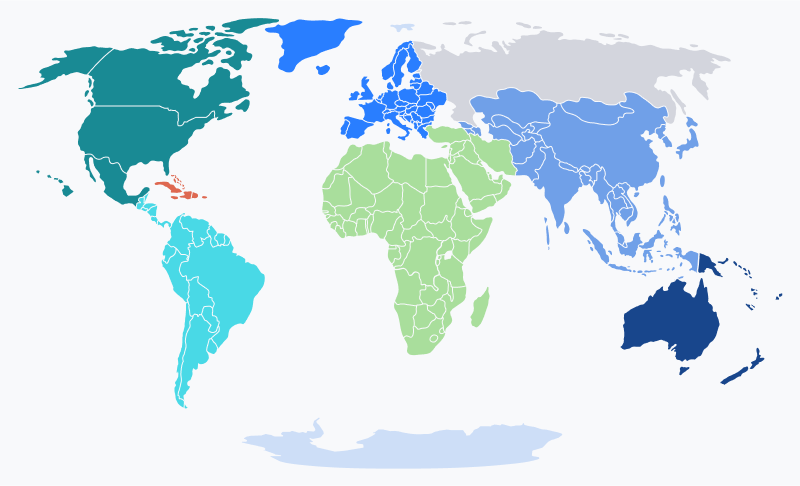
With 34.6 million passengers cruising to all 7 continents, the global cruise industry is supported by diverse source markets, growing regional demand, and expanding infrastructure, contributing to its resilience and long-term growth potential.
61%
Percentage of global capacity are fitted to operate on Onshore Power Supply (OPS)
100%
Percentage of waste some ships can repurpose by transferring surplus heat from machinery to heat water for showers and pools and significantly reduce food waste by using bio-digesters
60%
Percentage of ships able to produce water equivalent to their total water consumption needs
15%
Percentage of cruise ships entering service in the next five years will be equipped with battery storage to allow for hybrid power generation once available
Membership
Cruise Lines International Association (CLIA) provides a unified voice for the global cruise community, which includes the world’s most prestigious ocean, river, and specialty cruise lines; an expansive group of maritime leaders who provide technical expertise, products and services to the cruise sector; leading ports, destinations, shipyards; and the largest network of travel professionals who specialize in cruise travel.
CLIA unites the global cruise industry by providing a strong collective voice for cruise lines, valuable connections and insights for Executive Partners, and training, resources, and support for the travel trade community.
59
Cruise Lines
CLIA provides a unified voice for the world’s most prestigious ocean, river, and specialty cruise lines that operate around the world.
350+
Executive Partners
CLIA provides organizations industry exposure, market insights, community affiliation, education, and networking to unite the cruise industry
70,000+
Travel Trade
CLIA provides the official industry training and certification, unique resources, and inspiring events to support the travel agent community.
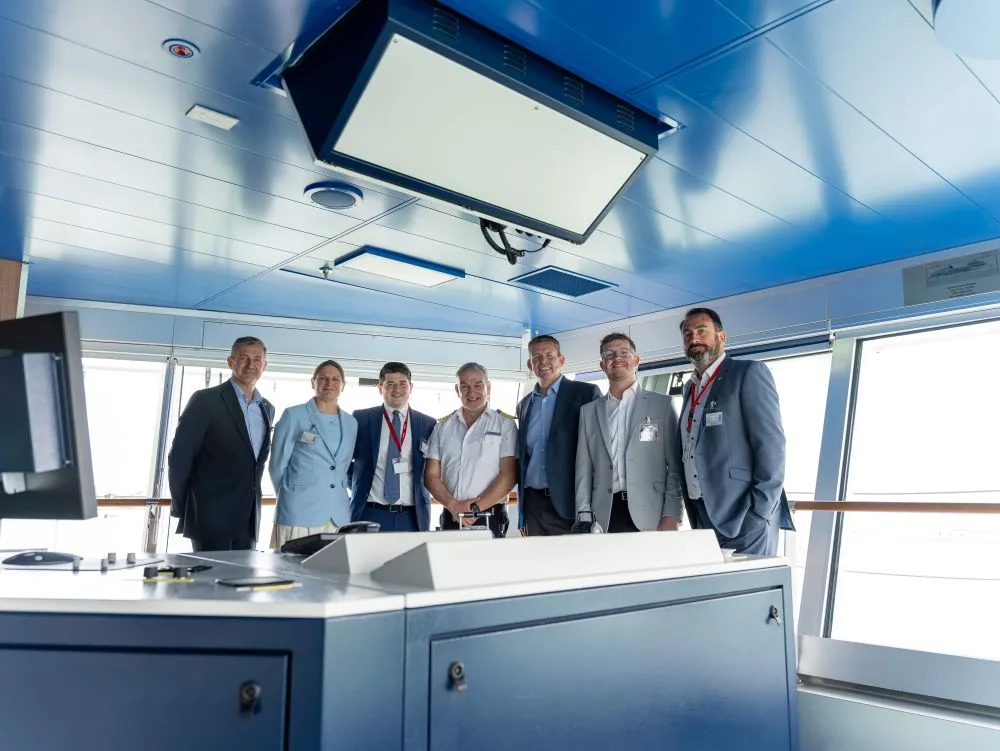
Welsh First Minister celebrates contribution of cruise tourism to Wales during ship visit in Holyhead
The Welsh First Minister, Rhun ap Iorwerth, has hailed cruise tourism as a key driver of the Welsh visitor economy during his first official engagement with the sector since taking office, signalling continued government support for cruise in Wales.On Friday, the First Minister joined Cruise Lines International Association (CLIA) and other industry representatives onboard Regent Seven Seas Cruises’ Seven Seas Grandeur in Holyhead, less than two months after taking office.Cruise is a significant contributor to the Welsh economy, with 10% of its international visitors arriving by cruise. Wales has been a successful example of Government working collectively with industry through the Cruise Wales partnership, working to attract cruise tourism and bring the associated benefits to local communities.During the visit, the First Minister met with ship officers and crew, visited the bridge, and participated in a roundtable discussion on growing and spreading the benefits that cruise brings to Wales. Discussions focused on strengthening Wales' position as a leading cruise destination, supporting local businesses and communities, and advancing the industry's pathway towards net zero emissions by 2050.The visit came halfway through this year’s Welsh cruise season, during which around 100 cruise ships visit the country, making a substantial economic contribution whilst also supporting jobs in maritime and tourism services. Holyhead and Fishguard are among the most popular cruise destinations across the British Isles, with Newport, Swansea, Cardiff and Milford Haven also welcoming ships.Rhun ap Iorwerth, First Minister of Wales, said: “Cruise is one of the fastest growing sectors of tourism, with six ports in Wales by now. I was delighted to meet with partners from across the sector to discuss the continued development of Wales as a major cruise destination, so we can work together to welcome even more tourists to Wales.“Wales will welcome over 100,000 cruise passengers and crew members this year. Today’s conversation will help drive forward growth in the cruise market, so that more people across Wales can benefit.”Andy Harmer OBE, Managing Director, CLIA UK & Ireland, said: “The First Minister's support sends a strong signal that Wales sees cruise as an important part of its visitor economy. Wales is an incredibly popular destination for cruise guests from across the world. From this, our industry makes a substantial contribution to the Welsh economy, whilst helping to put its port communities and cities on the global tourism map.“There is an excellent opportunity to grow this contribution in the comingyears. By continuing the close partnership between government, ports and industry, Wales is well placed to attract further sustainable growth in the years ahead.” Wesley D’Silva, President of Regent Seven Seas Cruises, said: “We truly appreciate the support of our local partners, and the officers and crew of Seven Seas Grandeur were delighted to host the Welsh First Minister in Holyhead. We are excited to continue playing our part in contributing to the Welsh economy by providing luxury travellers from around the world with the opportunity to enjoy the region’s exceptional experiences.”Sarah West, Managing Director, Port of Holyhead, said: “We are proud to support the continued growth of cruise tourism in Wales through the Ports of Holyhead and Fishguard, welcoming thousands of visitors each year to experience everything these communities have to offer. Every cruise call creates opportunities for local businesses, helping to generate economic activity and support jobs."At Stena Line Ports, we are committed to working closely with government, local authorities, CLIA, cruise lines and other tourism partners to ensure Wales remains an attractive and sustainable cruise destination. By investing in our port infrastructure and providing a high-quality experience for cruise operators and their guests, we can help deliver lasting benefits for local communities while showcasing Wales to visitors from around the world.” 08 July, 2026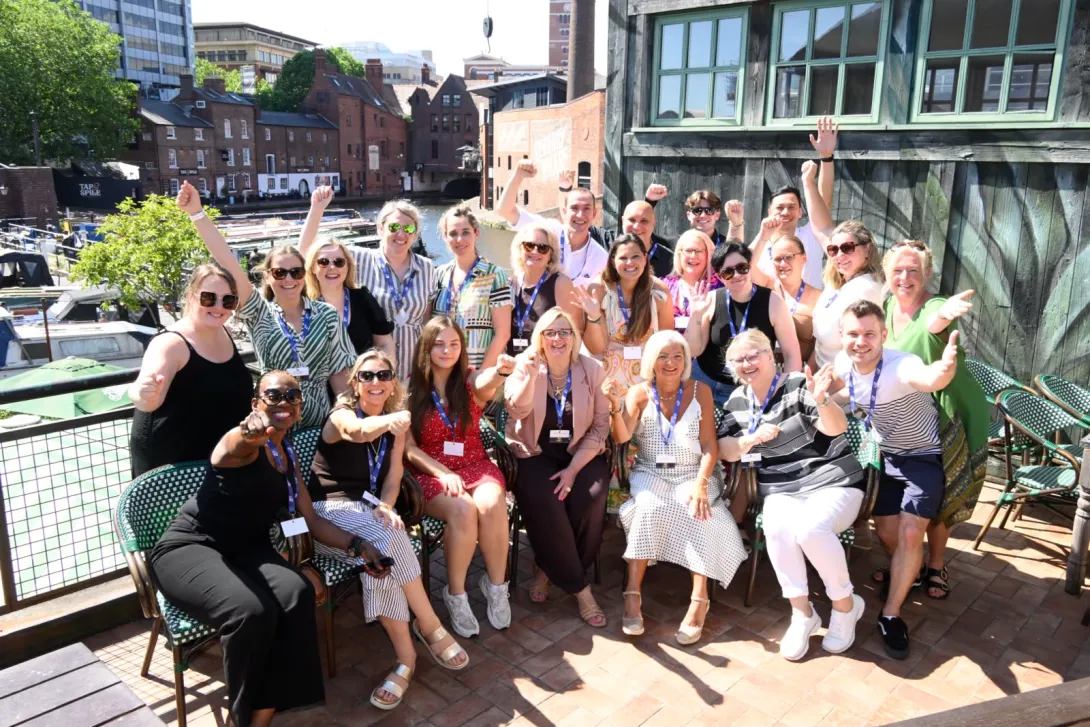
CLIA celebrates latest river and expedition 'Cruise Champions'
Over 60 agents who successfully completed a seven-month CLIA training programme have been officially recognised as river or expedition ‘Cruise Champions’The agents received their certification at a graduation ceremony in Birmingham.The programmes, now in their second year, are aimed at agents who are new or have limited experience of the river or expedition sectors. Training includes a mix of classroom learning, monthly webinars, assessments and digital catch-ups.The content was rolled out alongside CLIA member operators and covered topics including destinations, product awareness and sales techniques.Andy Harmer, CLIA UK & Ireland managing director, said: "Manycongratulationsto all our Cruise Champions. These programmes have helped them build specialist expertise in two of the fastest-growing cruise sectors and the graduates should be very proud of what they have accomplished."Throughout the courses, agents have shared real-life experiences, customer success stories and practical insights, helping to create a genuinely collaborative learning environment. It's been particularly rewarding to see their knowledge, confidence and enthusiasm develop, equipping them to better support customers and grow their cruise business."Many thanks to our cruise line members for their continued support in helping deliver training and expertise. We look forward to welcoming another trade cohort later this year and continuing to invest in the development of cruise professionals."The next round of programmes will launch in November and again cover either river and expedition cruise. Applications will open in August. 29 June, 2026
CLIA announces host of agent events and initiatives at annual conference
Cruise Lines International Association (CLIA) UK & Ireland has today (June 4, 2026) made a number of announcements and updates at its annual conference in Southampton.Over 800 delegates from across the trade heard from Andy Harmer, managing director UK & Ireland, who confirmed:* The second cohort of CLIA Cruise Champions will graduate on June 26 in Birmingham, following the successful completion of their expedition cruise or river cruise programmes. Applications for the class of 2027 will then open in September.* The Expedition Showcase will return for a second year to Svalbard in July. Five ships will be available for attendees to visit:- Greg Mortimer, AE Expeditions- HX Spitsbergen, HX Expeditions- Silver Endeavour, Silversea- SH Vega, Swan Hellenic- Le Commandant Charcot, PonantA full day of business sessions, a coastal wildlife boat trip, sightseeing tour, dining at local restaurants and a visit to the world’s northernmost brewery will be on offer. Delegates will be accompanied throughout by the expedition suppliers.* A Luxury Cruise Summit will be held on September 4 in Southampton. The event will comprise a guided ship visit of Oceania Marina, business sessions onboard and a networking dinner the previous evening.* CLIA has announced a'Seattle Awaits' fam trip, new for 2026. Arranged in partnership with the Port of Seattle, Visit Seattle, Virgin Atlantic and Delta, Holland America Line, Princess Cruises and Travel Weekly, it will have a destination theme and is aimed at senior sales, commercial and product managers.Including return flight options from London, attendees will be invited to explore Seattle with a three-night city stay. The schedule will include ship visits to Eurodam and Star Princess as well as hosted evenings. A three-night stay in Washington state will then take place, with hosted activities, guided tours and dining.The event opens for applicationsshortly.* A River Cruise Forum in Manchester on October 6 and a Yacht & Small Ship Forum in Birmingham on October 7 have been arranged. Both will have a full day of business sessions and product training.CLIA Conference runs to June 6. It is the largest UK travel agent of its kind in Europe and today includes business sessions and a networking trade fair. The business sessions were joined by Rob Rinder MBE, professional criminal barrister, media personality and author; and Carly Telford, retired goalkeeper, former Lioness and media pundit.The next two days feature a sailaway party and up to two ships for delegates to visit, from an overall choice of six:- Queen Anne, Cunard- Britannia, P&O Cruises- Celebrity Apex, Celebrity Cruises- MSC Virtuosa, MSC Cruises- Oceania Insignia, Oceania Cruises- Seven Seas Grandeur, Regent Seven Seas CruisesAn optional 'New to Selling Cruise Day' was yesterday on offer to agents.In addition, yesterday also saw over 60 colleagues from across the cruise industry take part in a New Forestbike ride, in aid of the Family Holiday Charity. It marked the highest ever turnout of riders, with participants cycling either 100km, 50km or 20km and a target to raise £10,000.Andy Harmer said: "The range of initiatives announced today underlines our ambition to make 2026 our most impactful year yet for trade engagement. Whether via ship visits, specialist training, networking opportunities or flagship events, we're continuing to invest in helping agents develop their expertise and unlock new sales opportunities across every cruise sector."It's also fantastic to see such strong attendance at this year's conference and a record number of participants taking part in our charity cycle ride. The cruise community is built on collaboration, and events such as these demonstrate both the strength of the industry and the willingness of colleagues to come together, support one another and give something back."To donate to the Family Holiday Charity cycle ride, go to www.justgiving.com/campaign/clia-nf26 04 June, 2026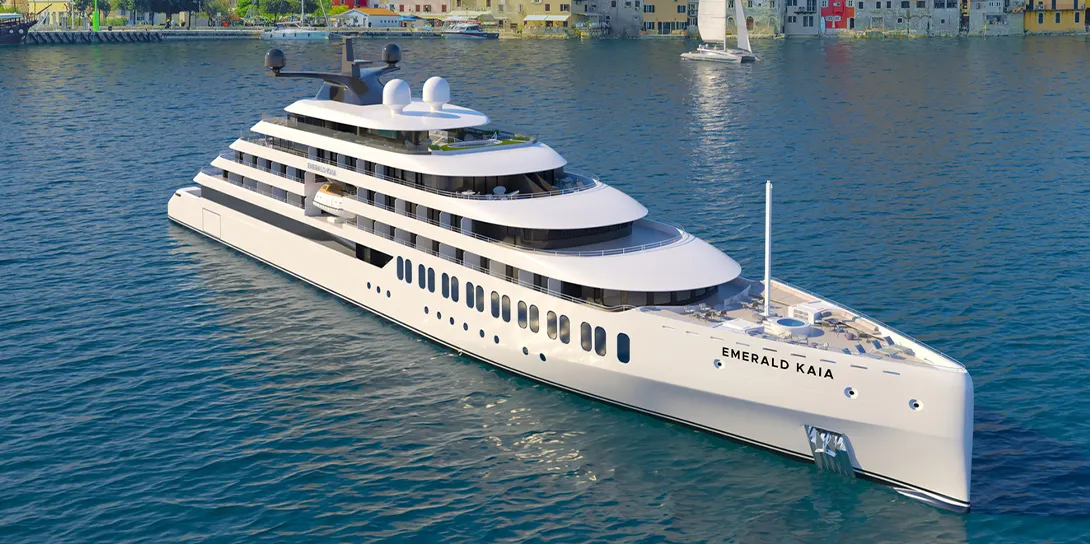
New Ship in 2026: Emerald Kaia
On an Emerald Kaia sailing from Athens, Joerg Grossmann, hotel director on the new 64-suite small ship, stepped on shore in the small port of Katakolon, Greece, and, at a red light, spotted a truck stacked with boxes of freshly picked strawberries.Neither the driver nor Grossman spoke the other’s language, so Grossmann pulled out his phone calculator, and a price was agreed on for the entire lot. That evening, and for the days following, passengers on the Emerald Cruises & Tours ship enjoyed strawberry creations in cocktails in the ship’s lounge bar, in their suites at turndown, and on the menu in La Cucina, the main dining room. “It was so much fun,” says Grossmann.As the ship pulled back into Athens eight days later, guests were still talking about the delicious strawberries. “They were the best I have ever had,” says Jason Poole, ap passenger and franchise owner with Cruise Lines International Association (CLIA) member agency Cruise Planners.Other local treats picked up en route – such as olive oil in the Peloponnese port of Gythio and Turkish delights and Turkish teas in Kuşadasi, Turkey – were also a “neat touch,” says Poole. In addition to delighting guests, the purchases supported local businesses.A major milestoneTravelers are increasingly seeking out smaller, more exclusive ships with experiences that feel personal, not heavily programmed. According to CLIA’s 2026 State of the Cruise Industry Report, travel professionals report Luxury, Premium, and Expedition as their highest growth areas in 2025, compared to the previous year.“Emerald Kaia represents a major milestone in the continued evolution of our yacht portfolio and arrives at a time when demand for smaller, more immersive luxury cruising experiences has never been stronger,” says Ken Muskat, president of Scenic Group (USA & Latin America), parent company the Scenic and Emerald cruise brands.Refining its fleetFollowing the launches of the Vietnam-built Emerald Azzurra in 2022 and sister ship Emerald Sakara in 2023, Emerald Kaia marks what the cruise line describes as a “refinement” of its fleet based on guest feedback. While the vessel has the same silhouette as its siblings, it is slightly longer in length and accommodates more guests (128 vs. 120). A fourth ship, Emerald Raiya, is under construction in Vietnam for a 2027 launch.Wellness is a headline upgrade. With Emerald Kaia, the spa and gym have been enlarged and new amenities include a dedicated salt therapy lounge and a cold plunge pool, while the exterior wall of the gym now opens to create an indoor-outdoor workout platform. The wellness zone connects directly to the extended marina lounge and platform, where guests access the ship’s collection of aqua toys and inflatables.Night Market Grill, an experiential dining venue, is another new addition. An intimate chef’s table for just eight people, the eight-course tasting menu switches between Asian, Middle Eastern and Indian cuisine, with dishes prepared live in front of diners. The experience is one of the few add-ons to the base fare (certain shore excursions and spa treatments are the others). Reservations fill up early in the sailing.Other notable upgrades include eight interconnecting suites to create additional privacy for families and groups and resort-style cabanas available on the top two decks.The sweet spotTravel advisor Poole sees the ship, with its program of itineraries across the Mediterranean, the Caribbean and the Red Sea/Seychelles, as being of particular interest to a relaxed, warm weather-seeking clientele that are looking for fun in the sun and a laid-back onboard environment. “For someone who loves the Caribbean, in particular, this is an amazing product for them to go and see some of the smaller islands that the big ships cannot visit,” he says.Since Scenic Group is Australian, it’s no surprise that the guest demographic skews Australian, too. For Poole, that plays into how he would sell the experience. "I would never put on a client who only wanted to travel with Americans," he says. For the right cruiser, however, that combination of small ship cruising and international flavor is the sweet spot.“A smaller boat is more our speed as we like getting to know people from other countries,” says Canadian guest Shay Sommerfield, on the sailing with his mother. As regulars on Emerald River, Sommerfield says they appreciate the camaraderie of small ships.Intimacy and destination exploration are both central to the growing appeal of luxury cruising. Guests want to “feel far more connected to the destination itself,” says Scenic’s Muskat, “Emerald Kaia reflects where the future of luxury cruising is headed.”© 2026 Cruise Lines International Association (CLIA). All rights reserved.This content may be shared or republished with clear attribution to Cruise Lines International Association (CLIA). Content must remain intact and may not be altered, edited, or excerpted in any way that changes its meaning or context. For additional permissions, media inquiries, or additional information, please [email protected]. 02 June, 2026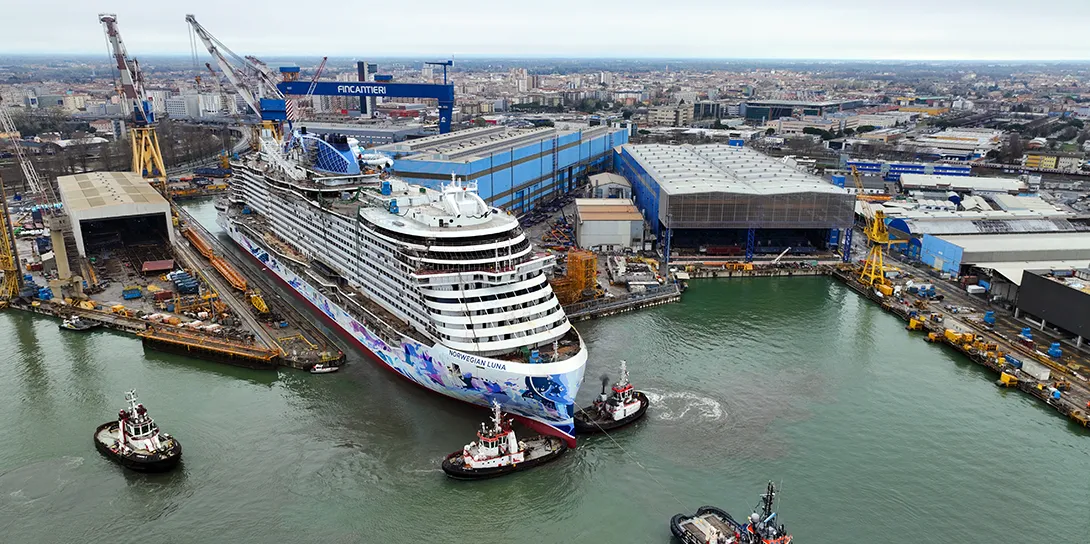
New for 2026: Norwegian Luna
Norwegian Cruise Line knows a good thing when it sees one, and the approach to the cruise brand’s newest ship, Norwegian Luna, was to keep the ship very much in-line with the cruise line’s three most recent sister ships, Norwegian Prima, Norwegian Viva, and Norwegian Aqua.Like its three Prima and Prima Plus sub-class sisters, Norwegian Luna has a slightly smaller footprint than the largest ships in the Norwegian Cruise Line fleet. With many of the brand’s newest innovations onboard, Norwegian Luna has no shortage of bells and whistles.Here is how Norwegian Luna has embraced some of the biggest trends right now in the cruise industry.A Smaller SizeNorwegian Luna isn't exactly what you'd call a small ship, but it's also not the largest in the Norwegian Cruise Line fleet. For decades, cruise lines vied for the title of “world's largest” cruise ship. Every time a line claimed to have the biggest cruise vessel, another brand would strive to outdo it, and ships continued to upsize. (The world's largest vessels can hold nearly 9,000 people at full capacity.)But, when Norwegian rolled out the Prima Class in 2022, it went smaller, rather than larger. Norwegian Luna carries 3,571 guests and is 156,300 gross registered tons, making it about 21% smaller in terms of passenger count than Norwegian Encore, which is NCL's largest ship, and about 36% smaller than Royal Caribbean's Icon of the Seas and Star of the Seas, which are currently the world's largest ships.The smaller size caters to passengers who prefer to sail with fewer people but with big ship amenities – in the case of Norwegian Cruise Line including adults-only areas, top-deck fun attractions, and even Starbucks outlets. Smaller ships can also get into some ports that the world’s largest ships can’t.Norwegian Cruise Line’s move toward smaller vessels is part of an industry trend of cruise lines leaning into smaller newbuilds. With two more Prima Class ships on the way, Norwegian Cruise Line joins Disney Cruise Line and Royal Caribbean, for instance, in having orders on the books for vessels smaller than the largest in their fleets.Entertainment highlightedThe main differentiator between Norwegian Luna and other Prima Class vessels is in entertainment. The ship debuted with three new main-theater entertainment options. One is a riveting tribute to Elton John, featuring pianos, top tier singing, dancing, and some mind-blowing costumes. There’s also a tribute to The Eagles, featuring many of the band’s hreatest hits sung by a group of four singers backed by live music.A show called "HIKO: Innovation Meets Wonder," incorporates a laser show, aerial acrobatics, digital projections and a performance set entirely on trampolines.The productions tie into the trend of cruise lines competing to have the flashiest, most technologically advanced and most captivating shows afloat, complete with elaborate sets and costumes and Broadway-worthy casts.A smaller, more exclusive, for-a-fee cabaret-style show on Norwegian Luna is held in one of the ship’s lounges – and speaks to a new wave of speakeasies and elevated entertainment options held in smaller, more intimate venues across the ships of several cruise lines.Jaw-Dropping Top-Deck FunAnother current trend is cruise lines courting multigenerational families with kids more than ever. That means adding exciting family friendly attractions, and Norwegian has put itself firmly in that realm with its newest additions.Norwegian Luna carries over several innovations from its sister ships. On the ship’s top outdoor decks, passengers can play on waterslides, thrilling dry slides, and the Aqua Slidecoaster, which weaves together waterslide and rollercoaster elements.Sustainability EffortsThe Cruise Lines International Association (CLIA) requires its members to abide by strict environmental practices. Cruise lines, including Norwegian Cruise Line, have, for instance, taken steps to reduce waste, avoid single-use plastics, implement recycling and water purification systems onboard, reduce energy usage, and plug into shoreside power when available. CLIA’s member cruise lines are pursuing net-zero emissions by 2050.Practices on Norwegian Luna also include keycard-controlled cabin lights (that turn off automatically when the card is removed) and cutting down on food waste including, creatively using fruit by-products and peels as ingredients for a sustainable cocktail menu at the Metropolitan Bar.© 2026 Cruise Lines International Association (CLIA). All rights reserved.This content may be shared or republished with clear attribution to Cruise Lines International Association (CLIA). Content must remain intact and may not be altered, edited, or excerpted in any way that changes its meaning or context. For additional permissions, media inquiries, or additional information, please [email protected]. 02 June, 2026