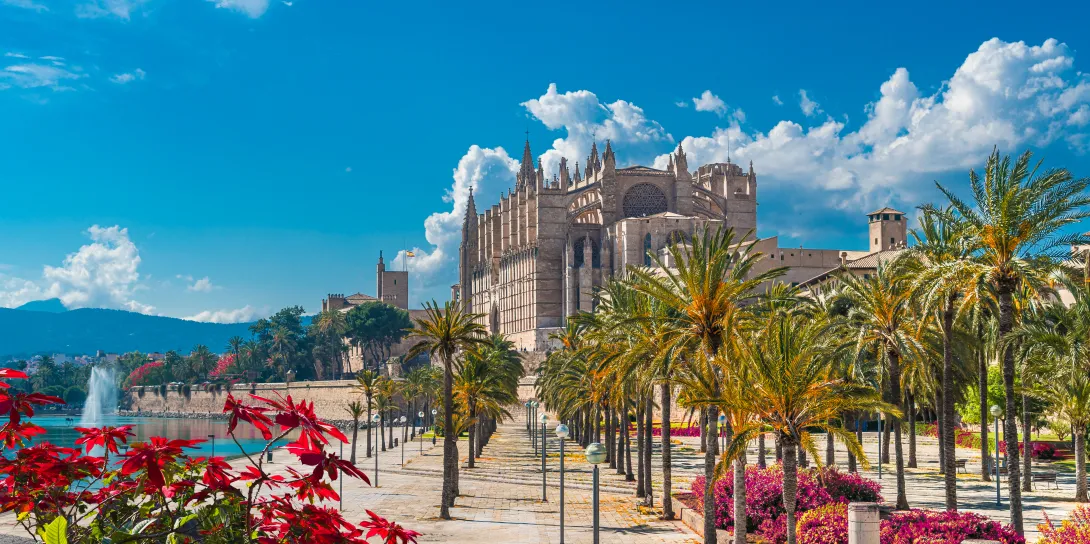





The Luxury of Cruising
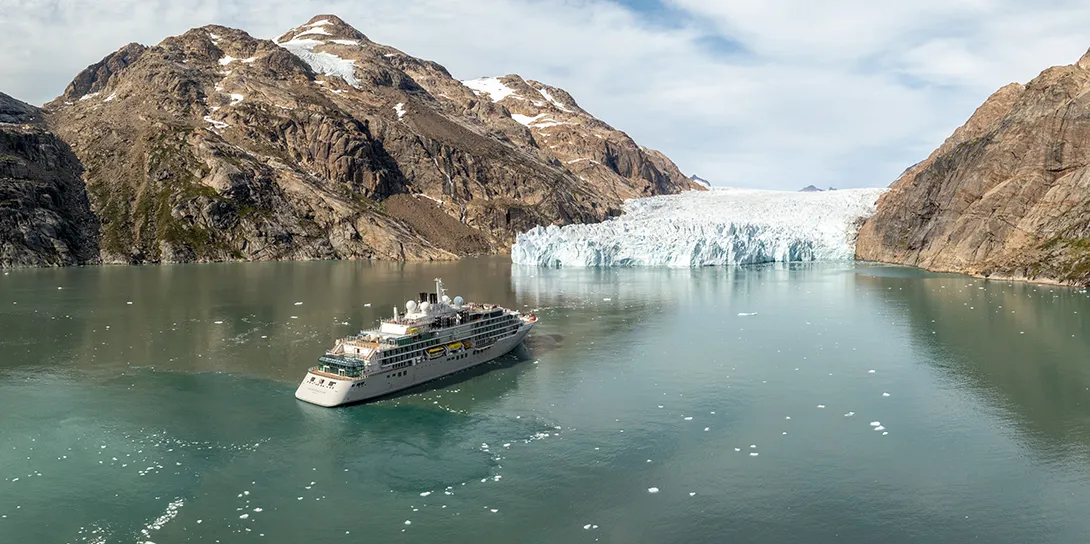
Some travelers may define luxury as opulent accommodations, personalized service, and fine dining, others may see it as opportunity to visit remote bucket-list destinations. Whatever the definition, luxury is one of the fastest growing segments of the cruise industry – and among those attracted by luxury cruising are younger generations of travelers.
Proof of the popularity of luxury cruises is in growth. According to Cruise Lines International Association (CLIA), the luxury cruise fleet has tripled over the past 15 years, from 28 ships in 2010 to 98 ships in the luxury category in 2025. That growth promises to continue: 1.7 million cruise travelers are forecast to choose a luxury cruise experience by 2029, accounting for 4% of the projected 42.1 million cruise passengers globally in 2029
In CLIA's 2026 State of the Cruise Industry Report, travel professionals reported luxury cruising as their highest growth area in 2025.
Luxury cruise brands are well poised for the fanfare. “If you look at everything from the big ships in the contemporary brands to where we are with small ship luxury cruising, everyone is upping their game, and consumers are really benefitting from it,” says Samuel Chamberlain, CEO of PONANT EXPLORATIONS Group Americas.
Growth has come from new ships and even new luxury lines such as MSC’s Explora Journeys, joining established high-end brands including Crystal Cruises, Silversea, Seabourn, Regent Seven Seas Cruises, and Ponant. Additionally, popular cruise lines such as Celebrity Cruises, Cunard Line, MSC Cruises, Norwegian Cruise Line, and Princess Cruises offer luxury ship-within-a-ship options, affording guests in select cabins and suites access to dedicated dining, lounges and other exclusive spaces, plus enhanced service and amenities.
Luxury cruise vs. hotel
Cruise ships offer all the fineries of leading luxury hotels, even butler service. But a big bonus of luxury cruising is cruise ships go places – the dreamy beaches of the Caribbean and Mediterranean, world class cities around the globe, and even to some of the most remote destinations on earth, such as Antarctica, the Arctic, the Galapagos and the Kimberly region of Australia.
“Guests can sail to destinations that luxury hotels simply can’t reach, such as remote landscapes and hidden ports that feel worlds away from the ordinary,” says Rob Coleman, Senior Vice President of Sales with luxury line Seabourn. “Luxury cruising delivers the sophistication of a world-class resort and the soul of genuine hospitality, but with the added power to take travelers to the most extraordinary corners of the world.”
Most luxury cruise ships explore with fewer than 1,000 passengers, some far fewer. According to CLIA, ships under 3,000 passengers account for more than 71% of the 2026 CLIA member global fleet.
Chamberlain observes that with cruising, travel logistics are easier than on land-based trips, which he says is “a luxury in itself.” Guests enjoy oceanfront cabins and suites and only need to unpack once, and luxury cruise fares include everything from intuitive, personalized service to enriching cultural experiences that connect guests with the places they visit.
Today’s Luxury Cruisers
While traditionally, luxury cruisers are Baby Boomers, the wealthiest retiring generation in history, other generations are taking note - and booking the experience.
“Today’s luxury cruisers are engaged explorers who are curious, confident travelers, and want to see and experience the world in comfort and style,” says Coleman. “Many are couples in their 50s and 60s who have the means, time and curiosity to travel deeply.”
Luxury cruisers ages 29 to 49 are a growing segment, whether traveling as couples, with friends, or as part of multigenerational families. Another growing segment of luxury cruising is solo travelers, including those attracted by the social aspects of the cruise experience.
Cruise lines are responding to increased demand with updated ships and over-the-top enhancements, such as memorable dining experiences, creative wellness offerings, and adventures ashore. Many lines have “slowed” their itineraries, affording more time in ports by day and opportunity to experience local nightlife.
Back onboard, spacious staterooms and thoughtfully designed public spaces afford the luxury of room to relax and unwind, all while admiring the sea.
© 2026 Cruise Lines International Association (CLIA). All rights reserved.
This content may be shared or republished with clear attribution to Cruise Lines International Association (CLIA). Content must remain intact and may not be altered, edited, or excerpted in any way that changes its meaning or context. For additional permissions, media inquiries, or additional information, please email [email protected]
Download This Article
For more information about CLIA's sharable content, visit CLIA's Industry Article Hub
Relevant News
Welsh First Minister celebrates contribution of cruise tourism to Wales during ship visit in Holyhead
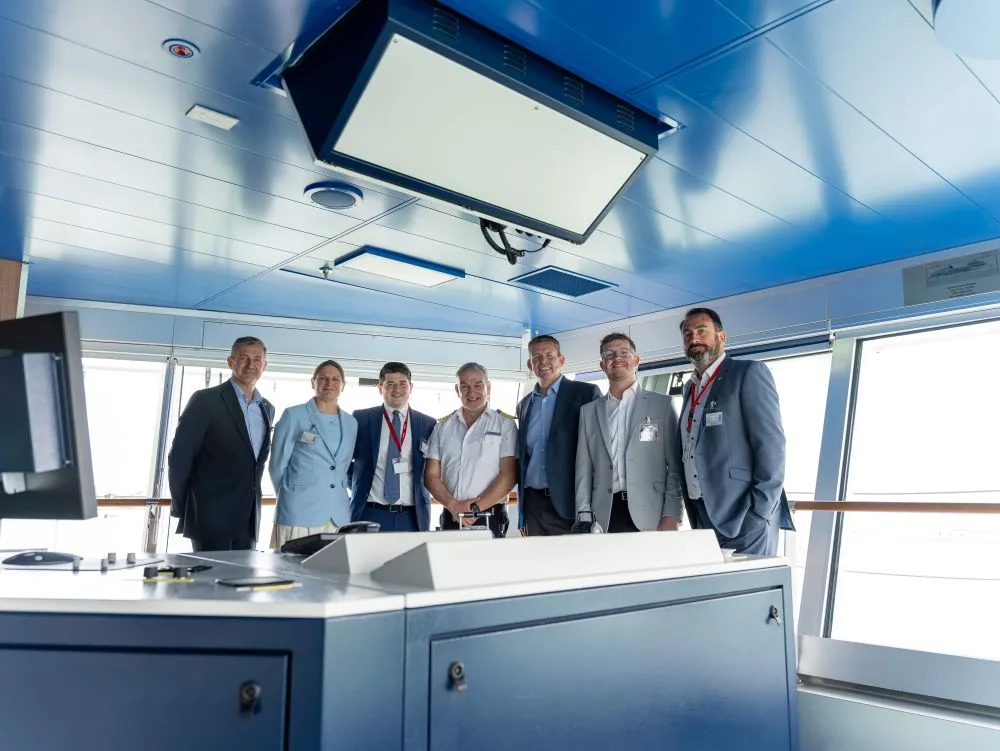
The Welsh First Minister, Rhun ap Iorwerth, has hailed cruise tourism as a key driver of the Welsh visitor economy during his first official engagement with the sector since taking office, signalling continued government support for cruise in Wales.On Friday, the First Minister joined Cruise Lines International Association (CLIA) and other industry representatives onboard Regent Seven Seas Cruises’ Seven Seas Grandeur in Holyhead, less than two months after taking office.Cruise is a significant contributor to the Welsh economy, with 10% of its international visitors arriving by cruise. Wales has been a successful example of Government working collectively with industry through the Cruise Wales partnership, working to attract cruise tourism and bring the associated benefits to local communities.During the visit, the First Minister met with ship officers and crew, visited the bridge, and participated in a roundtable discussion on growing and spreading the benefits that cruise brings to Wales. Discussions focused on strengthening Wales' position as a leading cruise destination, supporting local businesses and communities, and advancing the industry's pathway towards net zero emissions by 2050.The visit came halfway through this year’s Welsh cruise season, during which around 100 cruise ships visit the country, making a substantial economic contribution whilst also supporting jobs in maritime and tourism services. Holyhead and Fishguard are among the most popular cruise destinations across the British Isles, with Newport, Swansea, Cardiff and Milford Haven also welcoming ships.Rhun ap Iorwerth, First Minister of Wales, said: “Cruise is one of the fastest growing sectors of tourism, with six ports in Wales by now. I was delighted to meet with partners from across the sector to discuss the continued development of Wales as a major cruise destination, so we can work together to welcome even more tourists to Wales.“Wales will welcome over 100,000 cruise passengers and crew members this year. Today’s conversation will help drive forward growth in the cruise market, so that more people across Wales can benefit.”Andy Harmer OBE, Managing Director, CLIA UK & Ireland, said: “The First Minister's support sends a strong signal that Wales sees cruise as an important part of its visitor economy. Wales is an incredibly popular destination for cruise guests from across the world. From this, our industry makes a substantial contribution to the Welsh economy, whilst helping to put its port communities and cities on the global tourism map.“There is an excellent opportunity to grow this contribution in the comingyears. By continuing the close partnership between government, ports and industry, Wales is well placed to attract further sustainable growth in the years ahead.” Wesley D’Silva, President of Regent Seven Seas Cruises, said: “We truly appreciate the support of our local partners, and the officers and crew of Seven Seas Grandeur were delighted to host the Welsh First Minister in Holyhead. We are excited to continue playing our part in contributing to the Welsh economy by providing luxury travellers from around the world with the opportunity to enjoy the region’s exceptional experiences.”Sarah West, Managing Director, Port of Holyhead, said: “We are proud to support the continued growth of cruise tourism in Wales through the Ports of Holyhead and Fishguard, welcoming thousands of visitors each year to experience everything these communities have to offer. Every cruise call creates opportunities for local businesses, helping to generate economic activity and support jobs."At Stena Line Ports, we are committed to working closely with government, local authorities, CLIA, cruise lines and other tourism partners to ensure Wales remains an attractive and sustainable cruise destination. By investing in our port infrastructure and providing a high-quality experience for cruise operators and their guests, we can help deliver lasting benefits for local communities while showcasing Wales to visitors from around the world.” 08 July, 2026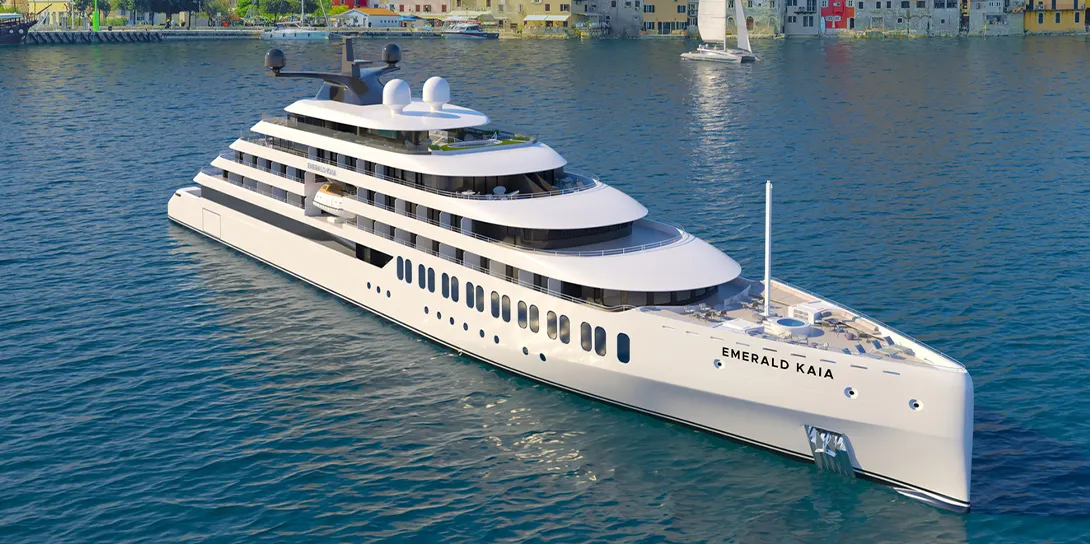
New Ship in 2026: Emerald Kaia
On an Emerald Kaia sailing from Athens, Joerg Grossmann, hotel director on the new 64-suite small ship, stepped on shore in the small port of Katakolon, Greece, and, at a red light, spotted a truck stacked with boxes of freshly picked strawberries.Neither the driver nor Grossman spoke the other’s language, so Grossmann pulled out his phone calculator, and a price was agreed on for the entire lot. That evening, and for the days following, passengers on the Emerald Cruises & Tours ship enjoyed strawberry creations in cocktails in the ship’s lounge bar, in their suites at turndown, and on the menu in La Cucina, the main dining room. “It was so much fun,” says Grossmann.As the ship pulled back into Athens eight days later, guests were still talking about the delicious strawberries. “They were the best I have ever had,” says Jason Poole, ap passenger and franchise owner with Cruise Lines International Association (CLIA) member agency Cruise Planners.Other local treats picked up en route – such as olive oil in the Peloponnese port of Gythio and Turkish delights and Turkish teas in Kuşadasi, Turkey – were also a “neat touch,” says Poole. In addition to delighting guests, the purchases supported local businesses.A major milestoneTravelers are increasingly seeking out smaller, more exclusive ships with experiences that feel personal, not heavily programmed. According to CLIA’s 2026 State of the Cruise Industry Report, travel professionals report Luxury, Premium, and Expedition as their highest growth areas in 2025, compared to the previous year.“Emerald Kaia represents a major milestone in the continued evolution of our yacht portfolio and arrives at a time when demand for smaller, more immersive luxury cruising experiences has never been stronger,” says Ken Muskat, president of Scenic Group (USA & Latin America), parent company the Scenic and Emerald cruise brands.Refining its fleetFollowing the launches of the Vietnam-built Emerald Azzurra in 2022 and sister ship Emerald Sakara in 2023, Emerald Kaia marks what the cruise line describes as a “refinement” of its fleet based on guest feedback. While the vessel has the same silhouette as its siblings, it is slightly longer in length and accommodates more guests (128 vs. 120). A fourth ship, Emerald Raiya, is under construction in Vietnam for a 2027 launch.Wellness is a headline upgrade. With Emerald Kaia, the spa and gym have been enlarged and new amenities include a dedicated salt therapy lounge and a cold plunge pool, while the exterior wall of the gym now opens to create an indoor-outdoor workout platform. The wellness zone connects directly to the extended marina lounge and platform, where guests access the ship’s collection of aqua toys and inflatables.Night Market Grill, an experiential dining venue, is another new addition. An intimate chef’s table for just eight people, the eight-course tasting menu switches between Asian, Middle Eastern and Indian cuisine, with dishes prepared live in front of diners. The experience is one of the few add-ons to the base fare (certain shore excursions and spa treatments are the others). Reservations fill up early in the sailing.Other notable upgrades include eight interconnecting suites to create additional privacy for families and groups and resort-style cabanas available on the top two decks.The sweet spotTravel advisor Poole sees the ship, with its program of itineraries across the Mediterranean, the Caribbean and the Red Sea/Seychelles, as being of particular interest to a relaxed, warm weather-seeking clientele that are looking for fun in the sun and a laid-back onboard environment. “For someone who loves the Caribbean, in particular, this is an amazing product for them to go and see some of the smaller islands that the big ships cannot visit,” he says.Since Scenic Group is Australian, it’s no surprise that the guest demographic skews Australian, too. For Poole, that plays into how he would sell the experience. "I would never put on a client who only wanted to travel with Americans," he says. For the right cruiser, however, that combination of small ship cruising and international flavor is the sweet spot.“A smaller boat is more our speed as we like getting to know people from other countries,” says Canadian guest Shay Sommerfield, on the sailing with his mother. As regulars on Emerald River, Sommerfield says they appreciate the camaraderie of small ships.Intimacy and destination exploration are both central to the growing appeal of luxury cruising. Guests want to “feel far more connected to the destination itself,” says Scenic’s Muskat, “Emerald Kaia reflects where the future of luxury cruising is headed.”© 2026 Cruise Lines International Association (CLIA). All rights reserved.This content may be shared or republished with clear attribution to Cruise Lines International Association (CLIA). Content must remain intact and may not be altered, edited, or excerpted in any way that changes its meaning or context. For additional permissions, media inquiries, or additional information, please [email protected]. 02 June, 2026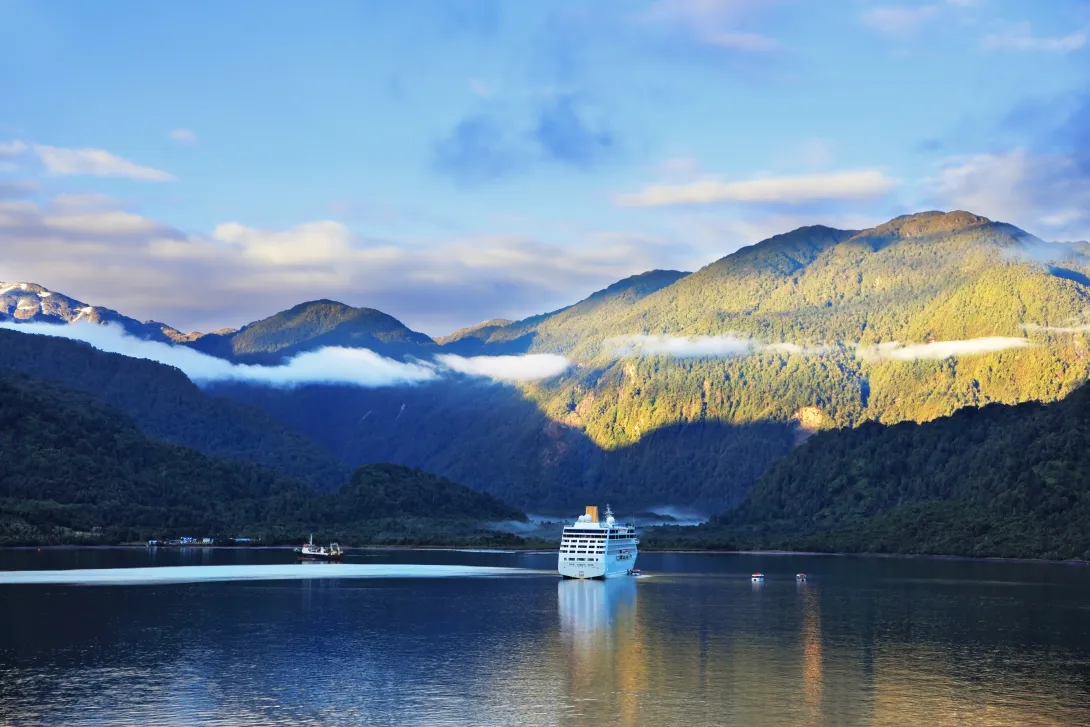
Destination Spotlight: South America
The South America/Panama Canal region plays a crucial role in making several cruise itineraries possible. Cruise guests may explore the continent on South America-focused cruises that visit such key port cities as Rio de Janeiro and Buenos Aires or destinations such as the Chilean Fjords. They may explore the continent on world cruises, some sailing around Cape Horn at the southernmost tip of the continent. Or they may experience the continent on Caribbean and South America itineraries visiting, for instance, Colombia and Central American countries.Adventurous travelers might opt for a bucket list expedition cruise to the Galapagos Islands or visit Argentina or Chile as gateways to Antarctica. Others might hop on a river ship, sailing along the Peruvian Amazon or Colombia’s Magdalena River.Panama Canal itineraries embarking from ports in Florida or California, offering cruisers a first-hand look at an engineering marvel as they sail through the legendary waterway. Cruise lines traverse the canal seasonally as they reposition vessels from Florida to the Pacific Coast and Alaska, while providing guests access to, for instance, Colombia, Panama, Costa Rica, Belize, Guatemala, and Mexico.According to Cruise Lines International Association (CLIA), in 2025, 1.20 million* cruisers sailed in the South America/Panama Canal region, making the region the 8th largest cruise destination in the world (*The number does not include the Galapagos Islands).In addition to international appeal, South America has strong regional appeal. According to CLIA, in 2025, 1.12 South Americans took an ocean-going cruise, many staying close to home in South America or the Caribbean.A Perfect Winter DestinationMost South American countries are in the southern hemisphere and remain warm all year due to their tropical climate. Even the region’s coldest temperature locations are at their warmest between November and March – which is winter in the northern hemisphere. South America during this time provides the opportunity for those from northern regions to escape the chill.Brazil’s Rio de Janeiro, Santos and Salvador; Lima, Peru; Argentina’s Buenos Aires; Chile’s Valparaiso and Santiago; and Uruguay’s Montevideo and Punta del Este, are featured cruise ports on world cruises and other South America itineraries. The Falkland Islands offer a bit of British flavor in the region, and the mighty Amazon as it runs through Peru provides opportunity to explore inland on a fascinating river cruise. River cruise line AmaWaterways recently inaugurated the Magdalena River in Colombia as a new cruising destination in South America.Ecuador’s lush and largely untouched Galapagos Islands archipelago is a prime expedition cruise region, featuring animals like giant tortoises, marine iguanas, sea lions, Galapagos penguins and Darwin’s finches, which you won’t find anywhere else in the world. Most islands are uninhabited and cruise lines such as Celebrity Cruises, HX Expeditions, and Silversea Cruises ferry passengers ashore in inflatable boats for wet landings that take them straight onto the sands of pristine beaches. Many passengers begin their cruises with a visit to Guayaquil or Quito, Ecuador. A popular add-on is an inland visit Peru’s Machu Picchu.With sailings starting in South America, Antarctica, a key bucket-list destination for intrepid cruisers – with its icy landscapes, penguins and whales, is most easily reached by ship. Passengers have several options for embarkation. The most common include boarding the ship in Ushuaia, Argentina, for a sailing across the Drake Passage. A newer option is flying from Chile to King George Island, in the South Shetland Islands, to board a vessel. Silversea is opening a hotel in Puerto Williams, Chile, to accommodate its guests. Quark Expeditions offers a fly-cruise program originating in Punta Arenes, Chile.A Partnership Made in ParadiseWith their presence, cruise lines contribute significantly to local economies in the region. Cruise lines pay port fees, employ local personnel, and partner with shore excursion providers in the locations the vessels frequent. The direct, indirect, and induced impacts from cruise activity on the Brazil economy alone is more than $1 billion.More than a dozen CLIA member lines – including MSC Cruises, Costa Cruises, Holland America Line, Oceania Cruises, Princess Cruises, Ponant Explorations, Azamara Cruises, Regent Seven Seas Cruises, Scenic Luxury Cruises & Tours, and Seabourn – regularly visit South America.A spokesperson for MSC Cruises, which has the largest market share in South America, notes the variety of itineraries, intuitive hospitality and culture are important draws in the market, and contribute to South America being a standout destination.© 2026 Cruise Lines International Association (CLIA). All rights reserved.This content may be shared or republished with clear attribution to Cruise Lines International Association (CLIA). Content must remain intact and may not be altered, edited, or excerpted in any way that changes its meaning or context. For additional permissions, media inquiries, or additional information, please [email protected]. 02 June, 2026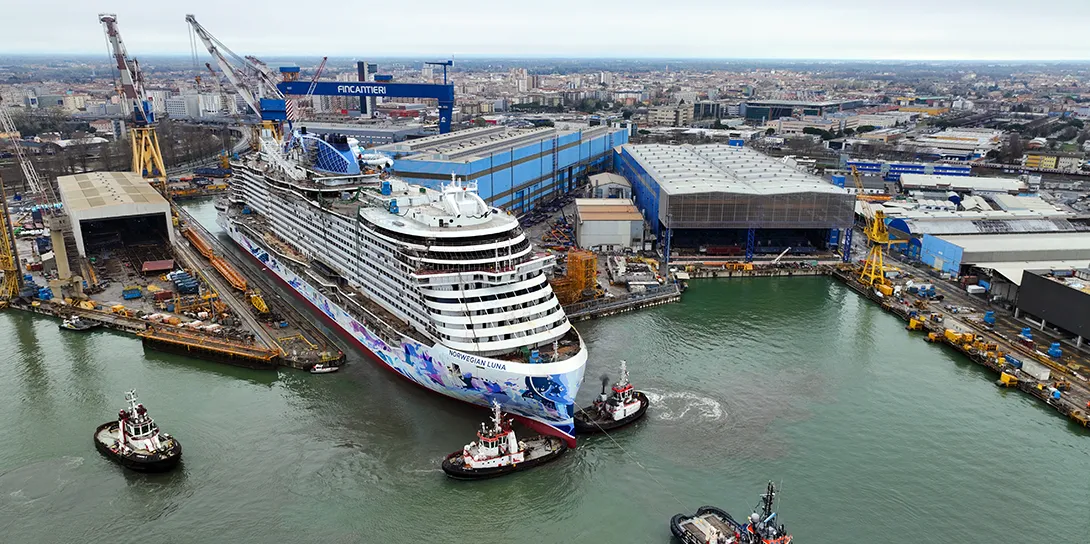
From Shipbuilding to Home Porting: The Cruise Industry in Italy
Italy’s influence on the cruise industry begins with building modern cruise ships packed with innovative attractions and sustainability enhancements. It culminates in alluring Mediterranean itineraries that draw Europeans and overseas travelers alike to Italy’s famous cities and boutique destinations.Italy has an outsized impact on most aspects of the cruise lifecycle, and the cruise industry in turn is a key contributor to the country’s economy.Made in Italy: Shipbuilding and sourcingItaly’s role in the cruise industry is greater than its collection of destinations. Through cruise-related activities, Italy generated an economic output of 8.5 billion euros (more than $21 billion) in 2024, with a 7.3-billion-euro (about $18.5) contribution to the country’s GDP, according to a Cruise Lines International Association (CLIA) report.Italy topped all other European countries with the financial impact of its cruise-related businesses, more than doubling the next country’s output. Italy generates significant economic impact across four cruise-related areas — shipbuilding, cruise line purchases, passenger and crew spending, and staff wages.As of April 2026, the cruise industry has committed to building 84 ships over a 14-year period, and 50 of those ships were assigned to Italian shipbuilders – for an investment of tens of billions of dollars. The largest shipbuilder, Fincantieri, is based in Trieste and has eight facilities in Italy. Fincantieri has built more than 130 cruise ships for 25 brands – including brands of Carnival Corporation, MSC Group, Norwegian Cruise Line Holdings, and Royal Caribbean Group. One in every three cruisers sails on a Fincantieri-built ship, according to the company.Fincantieri employs some 10,000 people and generates 90,000 additional jobs in Italy alone. The company is also at the forefront of the cruise industry sustainability movement, innovating with LNG (liquified natural gas) propulsion, among other areas.In addition to shipbuilding jobs, Italy generates revenue through provisioning the cruise industry. Cruise lines buy from local farmers, fishmongers, even cheese and pasta makers, to supply the fresh produce and quality ingredients their guests enjoy.The allure of Italian portsIn 2025, according to CLIA, one out of six cruise passengers worldwide sailed in the Mediterranean, for a total of 5.96 million travelers. Italian ports were instrumental in drawing those cruisers to southern Europe. With more than 15 million passengers expected to embark, disembark, or transit through Italian ports in 2026, Italy is a leading cruise destination country in Europe.“Italian ports are not merely places to dock as they offer a unique blend of art, history, and gastronomy that is the main driver for European cruise demand,” says Laura Cimaglia, vice president of MedCruise, which promotes the cruise industry in the Mediterranean.With more than 60 cruise ports, Italy offers access to a mix of iconic cities, such as Venice, Naples, and Rome, and attractive smaller destinations, such as Bari and Savona. The country is home to more than 60 UNESCO World Heritage Sites, many easily accessed from its coastal ports.The abundance of Italy’s attractions drives repeat business crucial for industry success, Cimaglia says.Several Italian cities also serve as embarkation and debarkation ports for Mediterranean cruises. Homeports are a win for cruisers and local communities alike. Visitors can custom design a longer vacation that includes a land stay. In the process they spend money on accommodations, restaurants, transportation, tours, and activities – all beneficial to the local economy. Plus, homeports as operational hubs create jobs in port services, provisioning, and logistics.Italy as source marketItaly is not only a welcoming cruise destination, but the sixth largest passenger source market in the world, with 1.1 million Italians setting sail in 2025, according to CLIA.What do Italians love about cruising? “The pleasure of discovering multiple destinations in one journey, the social and convivial side of travel, great food, and the balance between relaxation and cultural immersion,” says Dario Rustico, general manager Americas for Costa Cruises.Italians most often cruise regionally in the Mediterranean (75% of bookings), but they are increasingly interested in world cruises and longer sailings to other destinations, says MedCruise’s Cimaglia.Costa Cruises, headquartered in Genoa and with Italian-flagged ships, and MSC Cruises, founded in Italy, and now based in Geneva, help promote cruising to Italians and attract international travelers with their European atmosphere and cuisine.“From a business perspective, they leverage the Mediterranean lifestyle as a unique selling proposition,” says Cimaglia. “These cruise lines act as ambassadors, attracting a diverse international clientele that seeks the elegance and warmth synonymous with the Italian spirit.”© 2026 Cruise Lines International Association (CLIA). All rights reserved.This content may be shared or republished with clear attribution to Cruise Lines International Association (CLIA). Content must remain intact and may not be altered, edited, or excerpted in any way that changes its meaning or context. For additional permissions, media inquiries, or additional information, please [email protected]. 01 June, 2026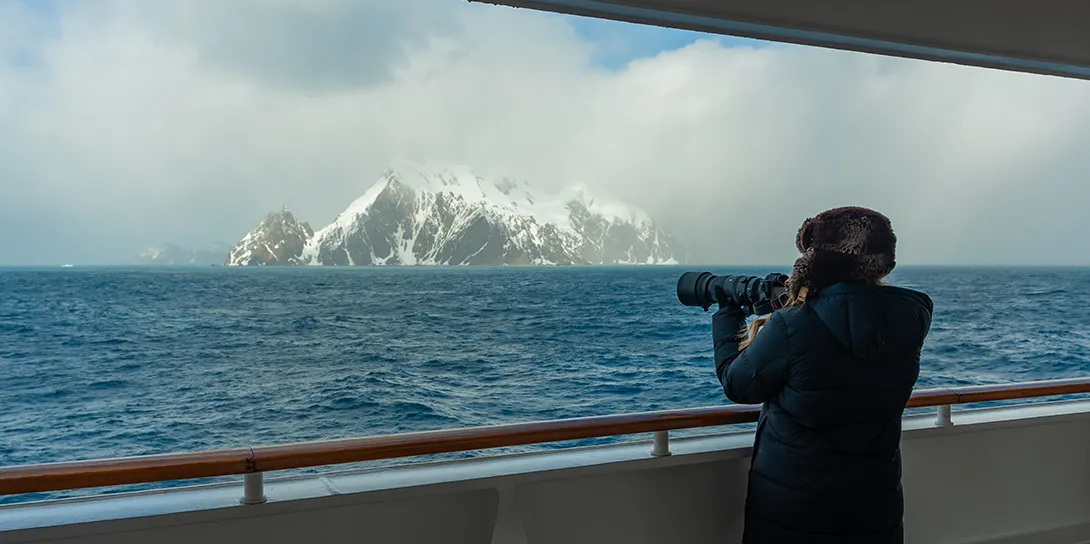
Why Has Expedition Cruising Become Travel’s Hottest Ticket?
Why Has Expedition Cruising Become Travel’s Hottest Ticket?You’re hovering at the waterline in an inflatable Zodiac off your expedition cruise, exploring one of the most remote corners of the world. You could be in arctic waters as a humpback whale breaches, close enough that you can count its barnacles. Or you’re snorkeling in the Galapagos, encountering a playful pack of sea lions. Expedition cruises bring you close to unspoiled wonders of the world with unmatched convenience and ease.These small ship cruises aren’t just a trend; they’re redefining modern travel by bringing the furthest corners of the world within reach. The sector is experiencing significant growth. Cruise Lines International Association (CLIA) reports a 150% increase in global capacity for expedition and exploration ships from 2019 to 2029 (including ships on order), with more than 40 small ships sailing today that are specifically built for this type of cruising. Among the many staggering statistics that point to the meteoric rise in popularity of expedition and exploration cruising, there was a 22% rise in passengers from 2023 to 2024, alone.This booming new cruise sector has become the go-to for ultimate, bragworthy adventures worldwide.Experiencing the OceanDriven by a traveler fascination with exploration and first-hand encounters, expedition cruises have never been more popular. The industry has seen a rapid increase in customer demand not just to see the world, but to adventure through its outermost frontiers. New, boutique-sized ships are equipped with advanced technology and reinforced hulls, enabling them to navigate waters that were once unavailable for consumer travel. Expedition cruises are often the only way to reach remote places such as South Georgia Island, the North Pole, or the Northwest Passage, easily and safely.For passengers who have explored the world's most popular ship routes and newbies alike, expedition cruises offer unique, off-grid itineraries. Immersive, adventure-focused excursions, always bespoke given the unpredictability of nature, are the highlights of these sailings. Whether you’re kayaking alongside penguin colonies in Antarctica from a luxurious Seabourn expedition ship or snorkeling alongside sea turtles and stingrays in the Galápagos on the upscale Celebrity Flora expedition ship, these immersive nature encounters leave you with memories of a lifetime.Appealing to New GenerationsExpedition voyages have contributed to interest in cruising from younger travelers, particularly Gen Z and Millennials. These guests are often first-time cruisers, seeking extraordinary experiences – with pent up wanderlust and opportunity to brag on social media driving demand for remarkable journeys. Younger travelers seek authentic travel adventures where they can travel with purpose, and are eager to learn about ecosystems, cultures, and climate through expert-led excursions.Keeping Up with the DemandThe exponential growth in expedition fleets has encompassed a remarkable roll out of new, boutique ships, new routes, and uncharted itineraries. New ships are slated to debut in the coming years, including the Scenic Ikon from Scenic Luxury Cruises & Tours in 2028.Luxury brands are also expanding the expedition experience beyond the ship. Silversea will launch its first-ever hotel, The Cormorant at 55 South, for the 2026/2027 Antarctica Season. The new luxury lodge is in Puerto Williams, Chile – the world’s southernmost town. The cruise line’s entrant into land-based accommodations will offer a stylish launch pad for its Antarctica sailings.The Cutting Edge of SustainabilitySustainability is a core mission of all CLIA member cruise lines, with a commitment to pursuing net-zero emissions by 2050. Passengers are eager to see expedition fleets doing their part to help protect the environment, and the cruise industry is meeting the challenge.Technological breakthroughs in sustainability include the LNG‑battery hybrid propulsion on Ponant’s LeCommandantCharcot (with net‑zero operations when on battery); Silversea’s first-ever Galapagos waste solution, diverting all non-organic waste away from island landfills; Quark Expeditions’ micro‑turbine energy, which delivers one of the cleanest, lowest-footprint polar expedition ships; and HX Expeditions’ award-winning sustainability leadership efforts to reduce their environmental footprint with hybrid ships, shore power, and biofuels. Ponant is also developing the Swap2Zero, a next generation sailing ship, to debut around 2030.Future Horizons A world of new exploration awaits from the North and South Poles to remote destinations in between. CLIA member cruise lines continue to meet the demand for expedition sailings, pioneering voyages that take guests on the most thrilling adventures – complemented with special interest programs targeting, for instance, birders, citizen scientists, and photographers.Expedition cruising’s popularity, blending exploration with premium onboard amenities, shows no sign of slowing as small-ship fleets (and their mighty sustainability efforts) journey to the far reaches of the earth.© 2026 Cruise Lines International Association (CLIA). All rights reserved.This content may be shared or republished with clear attribution to Cruise Lines International Association (CLIA). Content must remain intact and may not be altered, edited, or excerpted in any way that changes its meaning or context. For additional permissions, media inquiries, or additional information, please email [email protected] 18 May, 2026
How to Make Your First Cruise the Best Vacation Ever
With all the buzz around action-packed megaships, visits to idyllic private cruise line beaches, expedition cruises to the far-reaches of the earth, and new ultra-luxury yachts, it’s no surprise the cruise industry is attracting an increasing number of first-time cruisers. The number of travelers open to taking their first cruise increased from 55.3% in 2020 to 75.6% in 2025, according to Cruise Lines International Association (CLIA).Travelers considering their first cruise vacation are not all Baby Boomers, or couples for that matter. The average age of a cruiser is 46.7 years, with Gen-X and Millennials the most enthusiastic cruisers, according to CLIA’s 2026 State of the Industry Report. About 75% of cruisers are sailing with one or more generations and 34% with three to five generations of family, attracted by cruise activities for guests of all ages - including complimentary supervised children's programs.Cruises have a high satisfaction rate compared to other vacation types, so it’s not surprising that about 90% of those who have cruised will cruise again. Recent first-time cruiser Blythe Wilson, who sailed to the Bahamas with her spouse and three other couples, is among new fans. “I didn't really understand until I was there,” she says. “Cruising is an amazing experience, and it makes you want to take more cruises in the future.”Here are some top tips for guests considering their first cruise vacation.Pack for the activities you preferA great thing about cruising is you unpack once and get whisked to exciting destinations. Still, for some first-time cruisers, packing can be stressful. It doesn’t have to. During the day on a warm-weather cruise, you’ll spend most of your time in swimsuits, cover-ups, shorts, and tees. For colder-weather itineraries, pack layers to go over or under your sweatshirt and jeans.First-timers may be surprised that many cruises still include dressy evenings when you need a nicer outfit to eat in the main dining room (though not usually a tuxedo). No stress here, either. Pack some nice duds or opt to eat in the buffet, which is always casual. Some cruise lines offer optional themed events where you are encouraged to dress accordingly, such as ‘80s night or a white party. On board evening attire can vary by cruise line –and some do still offer a formal night should you choose to partake -- so be sure to find out what’s standard for your cruise.Advance planning can help you saveYou might love to be spontaneous in life and travel, but your cruise will benefit from some advance planning. Book shore excursions, drink packages and Wi-Fi plans online before you sail, and you’ll often find prices that are discounted from the onboard rates.If you have your heart set on a particular tour, reserve your spot when bookings open because popular tours may sell out quickly.Use the cruise line app to plan your dayYour days at sea will be a mix of taking advantage of cruise ship amenities (pools, the spa, waterslides) and attending crew-led programs (such as trivia games, dance classes, and guest lectures). You will not be bored, but you might be overwhelmed by choice.Download your cruise line’s app to see hourly activity schedules. You may even be able to highlight your favorites for a personalized schedule. The app will also show you dining times and daily menus, deck plans, and your onboard bill. Some cruise lines will publish schedules to the app before you sail, so you can start planning your vacation activities early, while others have an app you access once onboard.Sample the dining varietyMost cruise ships offer a mix of included and extra-fee restaurants, with dining rooms you can walk into at any time and others that require reservations. You’ll find casual and upscale options, healthy dishes, and decadent vacation splurges. Cruise lines can cater to dietary restrictions such as lactose-free or gluten-free with advance notice. Your cruise will be more fun if you sample a variety of dining venues.Large ships typically offer a choice of an assigned table, early or late seating in a main dining room, or you can opt for an anytime, walk-in option – with reservations required for specialty venues such as the steakhouse (reserve early to assure your preferred dining time). On smaller ships, dining is typically anytime within set hours, with reservations required only at specialty venues.For specifics on onboard features and what to pack, visit the websites of CLIA member cruise lineshere.© 2026 Cruise Lines International Association (CLIA). All rights reserved.This content may be shared or republished with clear attribution to Cruise Lines International Association (CLIA). Content must remain intact and may not be altered, edited, or excerpted in any way that changes its meaning or context. For additional permissions, media inquiries, or additional information, please email [email protected] 18 May, 2026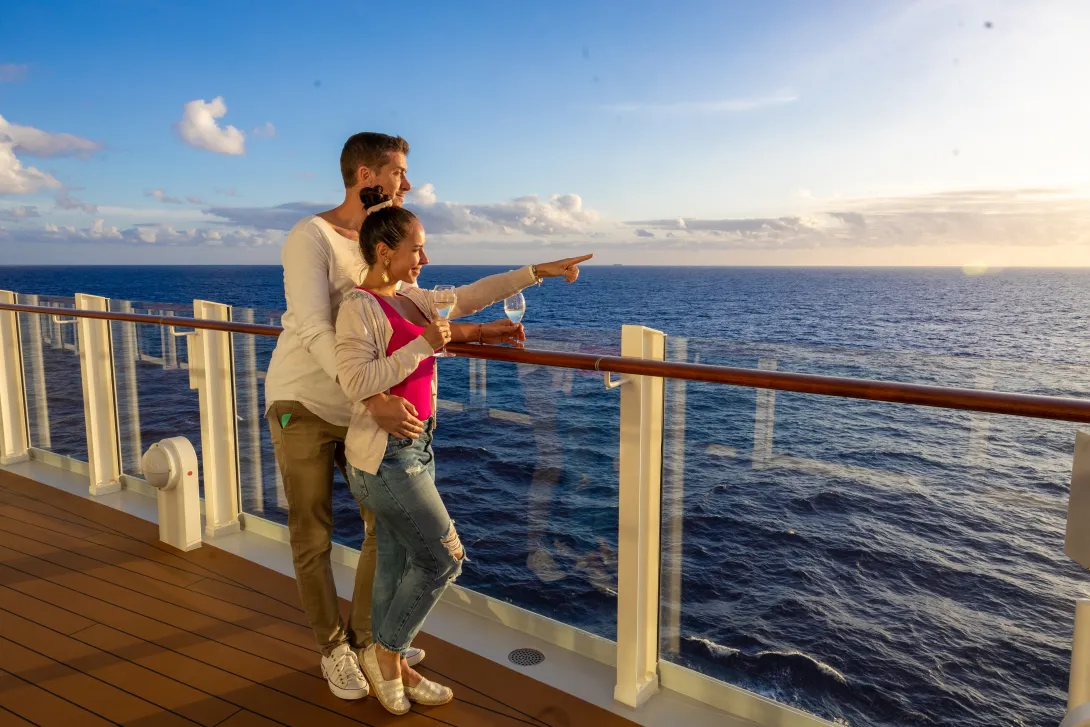
The New Wave of Cruisers: How Millennials and Gen Z Are Redefining Cruise Culture
When it comes to young travelers, cruise vacations are all about the adventure, connection to culture, food, and most importantly, being able to capture and share experiences online. If you need any proof of that, just check out hashtags like #CruiseTok and #CruiseLife on TikTok and Instagram. Those two hashtags have collectively amassed hundreds of millions of views, offering a front row seat to the next generation of cruisers.Young travelers, especially those aged 21 to 39, are seeing those social media videos and responding with an eager curiosity for cruises. Cruise Lines International Association (CLIA) reports that Millennials (22%) and Gen Z (14%) now make up roughly 36% of all cruise passengers. Jason Liberty, president and CEO of Royal Caribbean Group, says about half of Royal Caribbean’s guests are now Millennials or younger (including those under age 20).Among Millennials, 83% who have cruised before plan to cruise again, topped only by Gen-X (84%), according to CLIA’s 2025 State of the Cruise Industry Report.Who are young cruisers and what makes them tick?Emerging 21- to 39-year-old cruisers are digital natives, on the hunt for experience-driven travel that is socially connected. They value authenticity over luxury, prefer shorter length trips, and seek more affordable, top-value getaways.Many in this group took their first cruise with their parents as children or teens and have fond memories of their family vacations. Now, as working adults or young parents themselves, they’re returning to the sea—this time with their own kids, partners, or friends in tow.“These guests are doing their homework; they’re exploring social media, reading reviews, and leaning into peer recommendations before they ever hit 'book now,” says Stephen Hopkins, Vice President of Growth at adults-only Virgin Voyages. “They want flexibility, unexpected moments, and experiences that match their lifestyle, whether that’s a sunrise yoga class, dinner at a Michelin-inspired eatery, or dancing until dawn under the stars. They're rethinking what a cruise can be.”What do they love most?Like other travelers, Millennials and Gen Z, including young professionals and young families, appreciate that cruise fares match many budgets, and there are a variety of itineraries that easily fit into work and school calendars. They also appreciate the value of cruise fares – which cover accommodations, entertainment, activities, and culinary options.Modern ships bring elevated travel experiences, combining cuisine by top chefs, Broadway-caliber entertainment, exciting amusement attractions, and resort-style ease. They are also easy to book – whether DIY or through an experienced travel agent. Young travelers appreciate they can hop aboard, unpack once, and wake up in a new destination.How are cruise lines responding?Cruise lines have taken note of the surge in demand by younger travelers and have responded with fresh, innovative offerings. These include:More shorter cruises: Cruises are aware younger generations may be short on PTO. Many cruise lines have 3- to 5-night itineraries that pack in visits to tropical destinations, beach days, nightlife, and onboard fun – perfect for a long weekend or quick getaway.Beach club vibes: DJs and party flair fuel the late-night vibe onboard ships and at cruise line-owned destinations. Royal Caribbean’s Hideaway Beach is an adults-only beach club with a poolside DJ spinning lively beats, located at the line’s private Bahamas island, Perfect Day at CocoCay. Carnival Cruise Line boasts a massive swim-up bar with DJ at its adults-only Calypso Lagoon at the new Celebration Key on Grand Bahama Island. Both destinations also have extensive facilities for young families.Solo travelers: Many cruise lines, including Royal Caribbean, Celebrity Cruises, MSC Cruises, and Norwegian Cruise Line now offer solo cabins designed for one person, eliminating the need for single supplement fees. Sailing solo is more popular than ever, and cruise lines now host numerous gatherings and events to help solo travelers connect. These include cocktail hours, wine tastings, and group dinners. Select Norwegian Cruise Line ships also have a solo lounge, an exclusive socializing hub for those booking solo Studio cabins.Millennials and Gen Z travelers are influencing the ships of the future, with cruise lines not only meeting their needs but also learning from them.© 2026 Cruise Lines International Association (CLIA). All rights reserved.This content may be shared or republished with clear attribution to Cruise Lines International Association (CLIA). Content must remain intact and may not be altered, edited, or excerpted in any way that changes its meaning or context. For additional permissions, media inquiries, or additional information, please email [email protected] 18 May, 2026
Christmas Market River Cruises in Europe Brighten Up the Shoulder Season
Christmas market river cruises in Europe brighten up the shoulder seasonThe weeks between Thanksgiving and Christmas are considered a slower travel period in Europe – but not for river cruise lines and ports along the Rhine and Danube rivers. Late November and December cruises are some of the river cruise industry’s most popular itineraries.Christmas market river cruises hit the sweet spot for modern travelers seeking authentic cultural experiences and a festive holiday atmosphere. They also boost business for river cruise lines and the communities they visit during what would otherwise be a slow season.These limited-time, themed sailings sell out far in advance of the holiday season – a win-win-win for the river cruise lines, travelers and the ports they visit.Christmas market river cruises transform the shoulder seasonReinvigorating the slow travel months of November and December (with some cruises into January) brings benefits in many ways.Christmas market cruises “allow us to extend our sailing season into January, keeping our ships and crew active during what would traditionally be a quieter time on Europe’s rivers,” says Ellen Bettridge, President and CEO of Uniworld Boutique River Cruises. At a time when river cruise lines might be laying up ships for the winter off-season, they are instead delivering popular itineraries.At the same time, two trends have taken hold among travelers, slow-season travel, as they strive to avoid summer crowds, and seeking out cool-climate experiences. Festive holiday cruises deliver in this regard, “helping us meet strong demand for unique, off-peak experiences,” says Pam Hoffee, president of Avalon Waterways.Ports along the rivers also benefit from the extension of the river cruise season, as cruisers do their holiday shopping, indulge in gingerbread and other edible treats, visit attractions and enjoy holiday cheer.“It really is an economic driver for some of these small towns we visit” says Jennifer Halboth, CEO Riverside Luxury Cruises. “Plus, people really like to showcase their town during Christmas.”Holiday sailings attract new river cruisers and drive repeat bookingsFor the cruise lines, Christmas market river cruises are good for business. A longer cruise season means added revenue, and holiday sailings command premium prices. Also important, these cruises help river lines draw first-time cruisers with seasonal attractions and convenient seven-night itineraries.“Our Christmas Market cruises often serve as the perfect introduction to river cruising, attracting travelers who might not have considered a sailing before but are drawn to the idea of Europe during the holidays,” says Bettridge.Riverside’s Halboth notes the appeal of these itinerariesisnot just for couples, solo travelers and groups of friends but for multigenerational families looking to spend time together during the holiday season.Christmas market cruises also drive repeat bookings. Guests fall in love with the destinations, the ease of travel, the friendly crew and the beautiful ships and are persuaded to sign up for another river cruise in a different destination or time of year, the executives say.“The combination of shorter itineraries,iconic destinations and the built-in magic of the season makes these cruises a natural entry point for new guests,” says Hoffee.“Once guests experience Avalon’s elevated design and excursions, many (approximately 40%) become repeat cruisers.”Christmas market cruises are in demand“Demand has been so strong that our entire Rhine, Main, and Danube fleet is dedicated to Christmas Market sailings this season— a clear indicator of how this segment continues to grow,” says KenMuskat, President of Scenic Group (USA and Latin America), parent company of the Scenic Luxury Cruises and Tours and Emerald Cruises and Tours brands. “We’re also seeing these voyages book further out.”As Christmas Market river cruises’ popularity skyrockets, cruise lines are taking advantage by adding festive-season sailings on other rivers, such as France’s Rhone and Portugal’s Douro, to give repeat cruisers more options featuring regional holiday traditions.“Our Christmas Market cruises have transformed what was once the quietest time on Europe’s rivers to one of the most in-demand seasons of the year,” says Hoffee.© 2026 Cruise Lines International Association (CLIA). All rights reserved.This content may be shared or republished with clear attribution to Cruise Lines International Association (CLIA). Content must remain intact and may not be altered, edited, or excerpted in any way that changes its meaning or context. For additional permissions, media inquiries, or additional information, please email [email protected] 18 May, 2026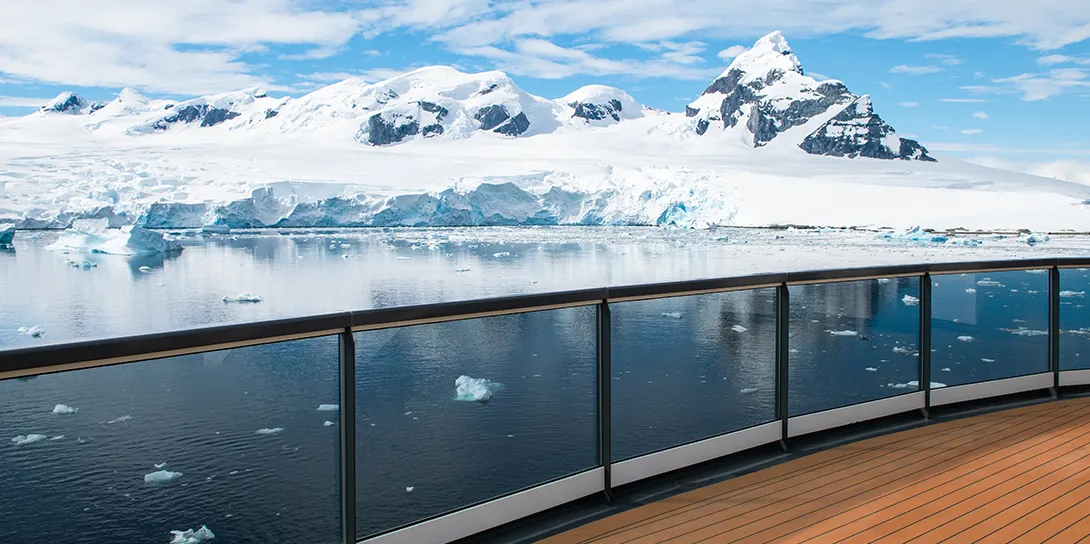
Antarctica: Seeing the ice and more in this exciting cruise destination
Expedition cruising is on the rise as travelers seek immersive experiences, nature-based exploration, uncrowded destinations, and bucket list adventures. Cruise Lines International Association (CLIA) reports that the global capacity for expedition ships will increase 150% from 2019 to 2029. The key destination for adventurous cruisers in winter is Antarctica.During the 2024-2025 season, according to the International Association of Antarctica Tour Operators (IAATO), 117,020 travelers visited Antarctica by cruise ship, including on more than a dozen CLIA member lines. Roughly two-thirds of passengers had the opportunity to bundle up in parkas and make a landing on Antarctica’ shores, while others viewed the icy “White Continent” and wildlife such as penguins and marine mammals from the comfort of their cruise ships.What’s the appeal of sailing to the end of the world? “Antarctica captures the imagination because it offers a rare glimpse into one ofour planet’smost untouched and extreme environments,” says Samuel Chamberlain, CEO, Americas at small ship line Ponant.A vast range of itineraries and experiences“Guests are looking beyond traditional itineraries, drawn to destinations that offer true exploration, learning, and a sense of accomplishment,” says Robin West, Vice President of Expeditions for Seabourn. Antarctica offers a diverse array of itineraries, ships, and experiences that appeal to many types of cruisers.The basic Antarctica itinerary visits landing sites on the Antarctic peninsula, the long arm that stretches toward the tip of South America, and its surrounding islands. Longer trips (three to four weeks) incorporate visits to the South Shetland Islands, South Georgia, and the Falkland Islands.Most itineraries depart from Ushuaia, Argentina, and cross the famed Drake Passage, which typically adds two days to and from Antarctica. An option is skipping the Drake and flying one or both ways to board your ship. Silversea is opening a hotel in fall 2026 in Puerto Williams, Chile to house Antarctica-going guests in its fly/cruise itineraries. Other lines with fly-in options include Aurora and Quark Expeditions.Creature comforts in the wildernessModern shipbuilding has brought a sea change to the vessels plying Antarctica waters, and cruise travelers need not give up creature comforts to sail south.The International Association of Antarctica Tour Operators (IAATO) classes non-yacht cruise ships into three categories. Ships carrying more than 500 guests cannot discharge passengers ashore for landings. Guests on lines such as Azamara Cruises, Celebrity Cruises, Holland America Line, Oceana Cruises and Princess Cruises can take in the otherworldly scenery while enjoying the many onboard amenities of these larger ships.Ships carrying between 201 and 500 passengers can make landings at a limited number of stops. Ponant, Seabourn, Scenic Cruises and Silversea’s expedition fleets have expedition fleets that feature luxurious suites and upscale lounges to enjoy when guests are not ashore. Seabourn and Scenic carry submersible vessels for underwater exploration, and Scenic also carries a helicopter for flightseeing.Small ships (up to 200 guests) have access to IAATO’s full roster of landing sites. These cruise lines – such as Aurora Expeditions, HX Expeditions, and Quark Expeditions (with helicopters onboard the Ultramarine ship) might make multiple landings in a day or offer additional activities such as snowshoeing, kayaking, and onshore camping.Antarctica cruise tourism benefits the local economy and global scienceIAATO sets guidelines for member cruise lines to support environmentally responsible tourism in Antarctica and works with numerous partners to make tourism beneficial to the surrounding gateway communities, as well as to conservation efforts and research science.“IAATO works with local government and the community to identify shared goals and collaborative opportunities which create meaningful impact for those who call Ushuaia home,” says Lisa Kelley, IAATO’ Executive Director. The organization has partnered with cruise lines to increase the locally sourced products used on board and to hire more workers from southern Argentina, for example.Cruise lines are also using their unique access to remote places to support global science. Many ships feature science labs on board and offer participatory “citizen science” opportunities to guests. Projects include contributing photos to a whale identification database, analyzing sea water samples, and launching weather balloons.Antarctica-based ships partner with research facilities to transport scientists and research equipment to field sites. Some lines also host scientists aboard, giving them space to conduct field research. As an example, Ponant’s Le Commandant Charcot icebreaker hosts scientists from the University of Western Australia, Woods Hole Oceanographic Institute in the U.S., and French research institute EPHE to study ocean dynamics, ice systems, and seabird ecology.Antarctica cruises, as noted by IAATO, bring first-hand opportunity to turn curious travelers into advocates for the preservation of the remote and pristine continent, preserving Antarctica for future generations.© 2026 Cruise Lines International Association (CLIA). All rights reserved.This content may be shared or republished with clear attribution to Cruise Lines International Association (CLIA). Content must remain intact and may not be altered, edited, or excerpted in any way that changes its meaning or context. For additional permissions, media inquiries, or additional information, please email [email protected] 18 May, 2026
CLIA’s 2026 Hall of Fame Cruise Industry Awards Honor Influential Advisors and Cruise Line Leaders
The Hall of Fame Cruise Industry Awards from Cruise Lines International Association (CLIA) are known to make powerful CEOs tear up, and humble successful travel agency leaders.Each year, CLIA recognizes four outstanding individuals or organizations who have made an outsized contribution to the cruise industry. Awardees are chosen from among the North American travel trade community (including agency owners, executives, and advisors) as well as trade-facing sales and marketing leaders at CLIA member cruise lines.The 2026 Hall of Fame inductees have had a positive impact on the cruise industry and on their colleagues throughout their decades in travel sales.Two Decades of CLIA’s Hall of Fame Cruise Industry AwardsCLIA inducted its first class into the Hall of Fame in 2005. The awards can recognize any member of CLIA’s travel trade community, at any stage in their career. Inductees are honored at a gala event during Cruise360, CLIA’s biggest professional development and networking event of the year, where they receive CLIA’s Spirit of Ascension statuette. (Fun fact: It’s the same height and weight as an Oscar.)The selection process for this meritorious honor is a year-round endeavor. Recommendations come from CLIA’s North American travel trade membership, with more than 59,600 members. CLIA’s in-house trade relations team compiles a short list and discusses candidates with select members of the CLIA Trade Relations Committee. This strategic advisory committee, composed of cruise line senior vice presidents and C-suite executives from prominent travel agencies, provides perspective and helps shape each year's Hall of Fame class. Authority for final selection remains with CLIA.“Because we have such strong relationships and engagement with our community, we’re very in tune with who ought to receive the honor,” says CLIA Vice President of Industry & Trade Relations Charles Sylvia, ECC.2026 Hall of Fame InducteesThis year’s class of Hall of Famers earned their recognition through decades of supporting the growth and success of the travel trade community.Elite Cruise Counsellor (ECC) of the Year:Wendy Franz, ECC, Trevello Travel GroupFranz is a former nurse who opened a home-based travel agency in 1997 and joined host agency Trevello Travel Group in 2008. She stood out because of her unwavering support of her fellow travel advisors.“Wendy Franz has constantly given of herself to everyone in her professional life,” says Sylvia. “Since she became a travel advisor, she has given back to her fellow travel advisors in terms of mentorship and support.” Wendy gave up her own time, sometimes putting aside her own business priorities, to nurture others in the industry, Sylvia adds.Travel Agency of the Year:Nexion Travel GroupNexion Travel Group has a history of promoting advisor education and bringing the best people into the travel business. The agency encourages its members to be active in travel industry advocacy, and its leaders set the example. President Jackie Friedman recently served as chair of the American Society of Travel Advisors (ASTA) and is currently a member of the CLIA Trade Relations Committee.Nexion as a company is a huge supporter of Family Bonds, a foundation designed to financially support people within the travel space experiencing adversity, such as an illness or the loss of a home.“While Nexion is a company that looks to make a profit, it is also one of the best citizens within the travel industry and seeks to make a positive difference in people’s lives,” says Sylvia.Lifetime Achievement Award (Trade):Rick Mazza, president and CEO, Travelsavers/NestMazza is best known as the father of the modern consortium model, uniting independent travel advisors to better negotiate with providers and share marketing and training resources. He launched Travelsavers in 1970, an agency network with an enhanced focus on marketing, and grew that business from 55 agencies to more than 3,000.Mazza has since founded other consortium businesses, including The Affluent Traveler Collection, a marketing group for luxury advisors, and Nest, a network for home-based agencies, which serve to provide members with marketing tools, technology assistance, strategic partnerships, and professional training. He was also an early supporter and partner of the cruise industry.Lifetime Achievement Award (Cruise Line):Dondra Ritzenthaler, ECC, CEO of Azamara CruisesRitzenthaler has been an inspiration to many over her 40-plus years in the travel industry, including in her current role and formerly as sales and marketing executive at Celebrity Cruises and American Airlines. She earned this award for her leadership mindset that prioritizes relationships and teamwork, and for always being a strong advocate for travel advisors. Colleagues describe her as a mentor, motivator, and friend.Previous Hall of Fame inductee Vicki Freed, senior vice president of sales and trade support & service at Royal Caribbean, said at the awards gala that Ritzenthaler “brings laughter into hard work, friendship into business, and heart into absolutely everything she does.”What makes the CLIA Hall of Fame honor so special is the impact it has on its recipients.“These folks are such consequential, powerful people—leaders we all look up to—but when they finally find out that their industry is recognizing them, it becomes a very human and personal moment,” says Sylvia. “That has been one of the most satisfying aspects of this program.”© 2026 Cruise Lines International Association (CLIA). All rights reserved.This content may be shared or republished with clear attribution to Cruise Lines International Association (CLIA). Content must remain intact and may not be altered, edited, or excerpted in any way that changes its meaning or context. For additional permissions, media inquiries, or additional information, please [email protected]. 18 May, 2026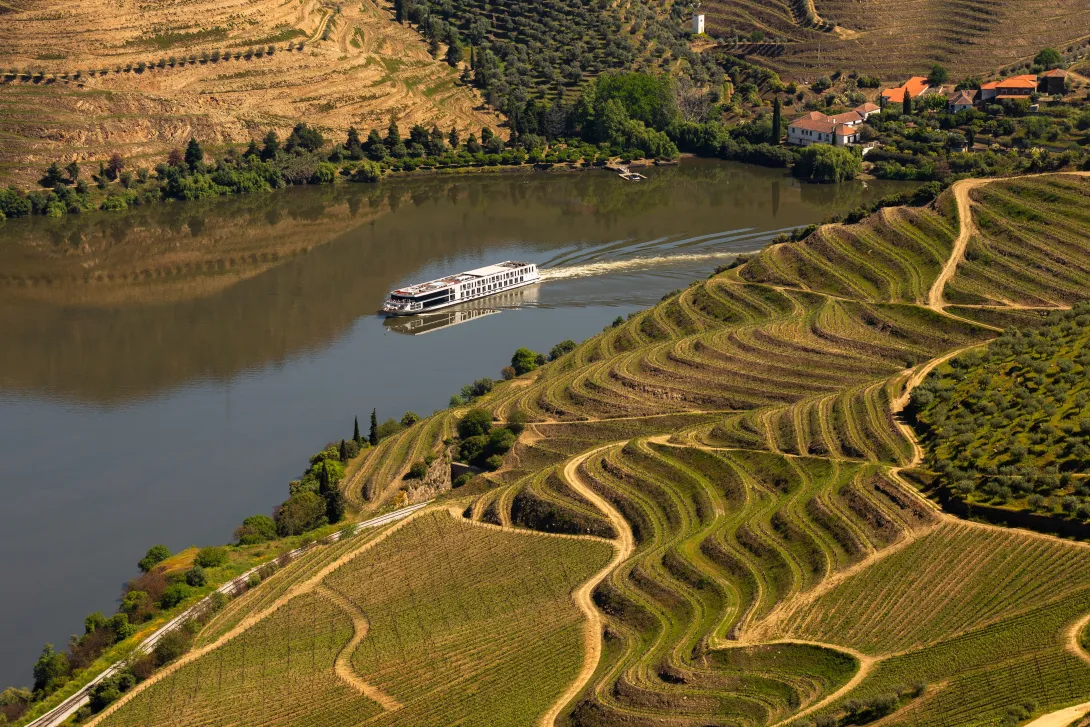
How River Cruises Are Winning Over Curious Travelers
Sometimes the best view when traveling is one that’s ever-changing, new places ahead, and that’s delivered on river cruises. As with ocean cruises, you unpack once and you’re off on a journey navigating storied waterways. From Europe’s Rhine, Danube and Seine to Portugal’s Douro, Egypt’s Nile to Asia’s Mekong, and even along the mighty Mississippi, river cruises are your front row seat to spectacular inland sights.The River Cruise BoomRiver cruising has experienced a surge in popularity in recent years, particularly among travelers seeking a slower, more immersive alternative to traditional land-based tours involving buses, planes, or trains. According toCruise Lines International Association (CLIA), river cruise bookings continue to rise as travelers discover the unique appeal of journeying through the heart of countries on water on small river ships.CLIA member lines AmaWaterways, Avalon Waterways (from tour operator Globus), Scenic Luxury Cruises and Tours and Uniworld sail in Europe and beyond, while American Cruise Lines focuses on U.S. waterways such as the Mississippi and Columbia & Snake rivers in the Pacific Northwest. All deliver itineraries that cater to travelers seeking cultural immersion scenic beauty and pampering hospitality. New in Europe is the recently launched Trafalgar River Cruises from tour operator Trafalgar. Ocean line Celebrity Cruises plans to debut the first ship in its Celebrity River Cruises fleet of innovative river ships in Europe in 2027.Some river cruise guests are new-to-cruise, just discovering the joy of waterborne experiences. Others are ocean cruisers, looking to easily experience inland sights on one trip.The River Cruise Experience: Easy, Intimate, and ImmersiveThink of a river cruise as a floating boutique hotel, offering an intimate experience with fewer guests and attentive service. Most river ships carry fewer than 200 passengers, some fewer than 100, and others fewer than 50. Staterooms are thoughtfully designed, often with views of passing riverbanks from your bed or sitting area. In Europe, head to your ship’s top deck for 360° views as you glide past storybook towns, pass through locks (essentially water elevators), and under majestic bridges. Sail the Nile and you’ll see why it’s often referred to as a floating museum tour. You’ll coast by 5,000+ years of history from grand temples and tombs to vibrant local villages.The vibe onboard river cruises is casual and relaxed, with no formal dress codes. River cruise fares cover meals, enrichment activities, shore excursions, WIFI, and entertainment. Chefs onboard draw inspiration in local flavors and ingredients, and infuse them into every meal, from buttery croissants on the Seine to phở, the traditional Vietnamese noodle soup, on the Mekong.Activities onboard aim to deepen guest connection to the region. Sailings often feature guest lecturers, local artists, and wine tastings from nearby vineyards – select AmaWaterways sailings in Europe feature visiting wine experts who share fascinating insights into the region’s viticulture. Scenic’s Specialty Cruises host distinguished authors, historians, and celebrity chefs.Destinations at the Heart of It AllRiver ships often dock within steps of enchanting villages, exciting cities, and UNESCO World Heritage Sites. You’ll be treated to complimentary shore excursions every day, led by local expert guides. The group sizes on these tours are deliberately kept small, allowing for more time to engage with the guide and making navigation easier. Complimentary headsets are provided, allowing you to hear your guide clearly, even if you stray a few steps behind.Shore experiences are designed to cater to a range of activity levels and interests – with active, leisure, and immersive options. You’re also free to explore on your own. Consult the Wellness Hosts on AmaWaterways for fitness-forward excursions, such as bike tours and guided runs. Avalon Waterways’ Avalon Choice Program offers guests the option of three daily excursion choices at different levels of activity. Experience the magic of a destination after dark with Uniworld’s "Nights Out" experiences, which can range from illuminated city strolls to private evening palace visits on select itineraries.New routes continue to expand the breadth of inland reach, such as CroisiEurope’s itineraries on the Loire River in the Loire Valley, a designated UNESCO World Heritage Site renowned for its historic towns, architecture, and natural beauty. In South America, Ama Waterways recently inaugurated itineraries on the Magdalena River in Colombia. River cruise guests also have access to waterways such as the Chobe in Botswana and Ganges in India.On a river cruise, there’s time to experience destinations. You’re en route on an expertly crafted itinerary that focuses on the best of (and freshest flavors from) the local region. When you aren’t off the ship exploring, enjoy sitting back and watching the world go by.© 2026 Cruise Lines International Association (CLIA). All rights reserved.This content may be shared or republished with clear attribution to Cruise Lines International Association (CLIA). Content must remain intact and may not be altered, edited, or excerpted in any way that changes its meaning or context. For additional permissions, media inquiries, or additional information, please [email protected]. 18 May, 2026