








Europe
The European cruise market is one of the largest and most diverse in the world, offering a mix of cultural, historical, and scenic cruising experiences. Europe serves as both a major source market for cruise passengers and a top destination, attracting travelers from around the world.

Passengers
8.4 Million
In 2024, 8.4M Europeans sailed on cruises

GDP
€25.7 Billion
€25.7 Billion in gross domestic product (GDP) the European economy in 2023

Total Impact
€55.3 Billion
€55.3 Billion in total impact to the economies of Europe in 2023

Percent
90%
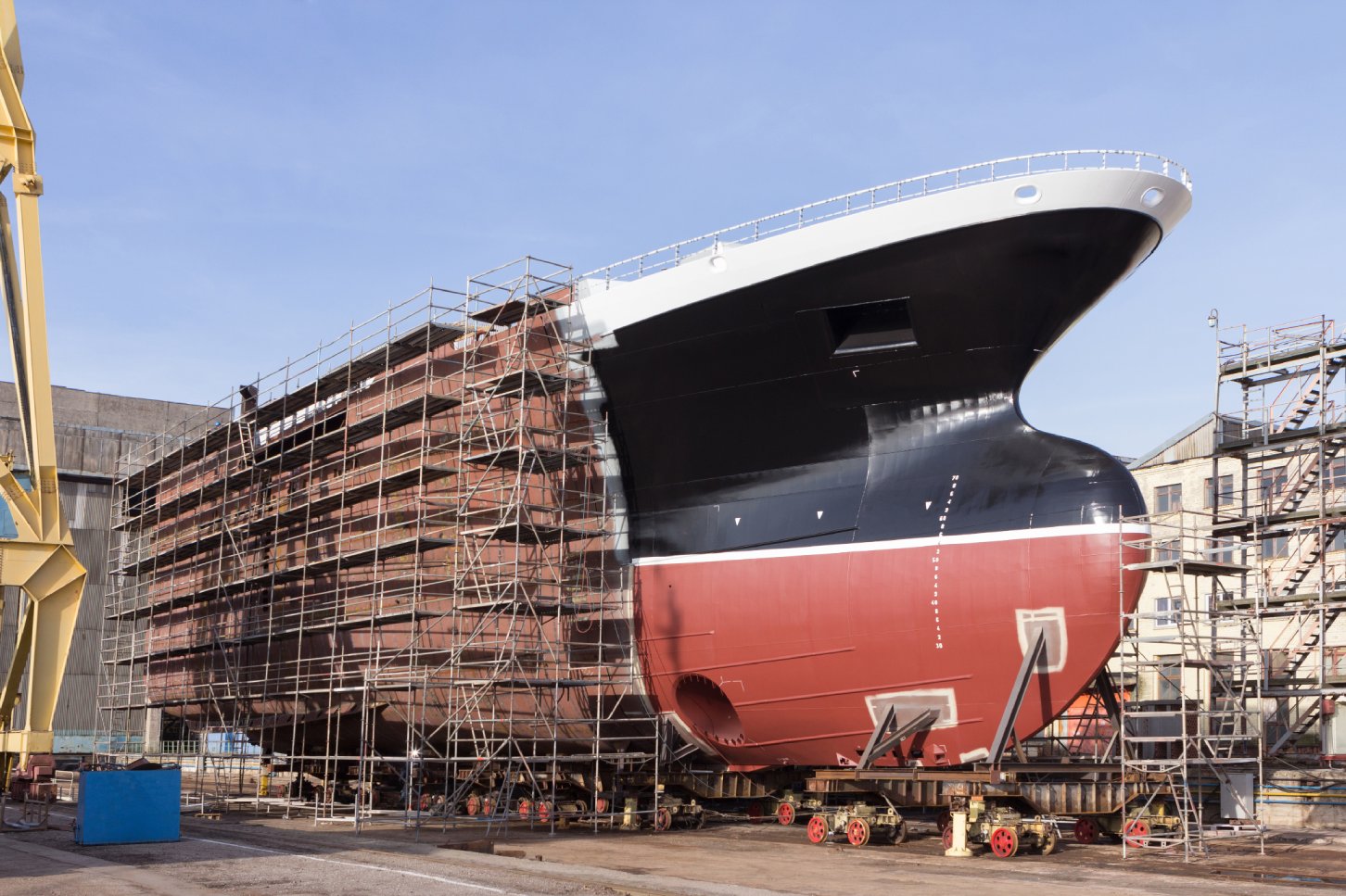
To facilitate the delivery of new cruise vessels €8.2 billion was spent in 2023 in Europe, representing 90% of global shipbuilding activity
The cruise industry is committed to pursuing net zero emissions by 2050, and supports the long-term objectives of the EU Green Deal. By driving innovation through shipbuilding in Europe, the industry can help to enable European green growth, as set out in the Green Deal and EU recovery plans.

Europe Regions
Made in Europe
Cruise is a European success story. About 97% of the world’s fleet of cruise ships was built in Europe, and 98% of ships on order, based on cost, will be built here. The total investment cruise lines are making in new ships built in Europe from 2024 to 2036 is currently €57 billion, with additional orders anticipated.
Most of the world’s cruise ships are also retrofitted and refurbished at European shipyards. Together, tens of thousands of full-time workers and subcontractors are involved in new ship construction and ship refurbishment in Europe.
A diverse supply chain of small and large companies specialises in outfitting and providing cruise ships with European-made products, supporting jobs throughout Europe. With these investments, the cruise industry is essential to Europe’s maritime infrastructure, and beyond.
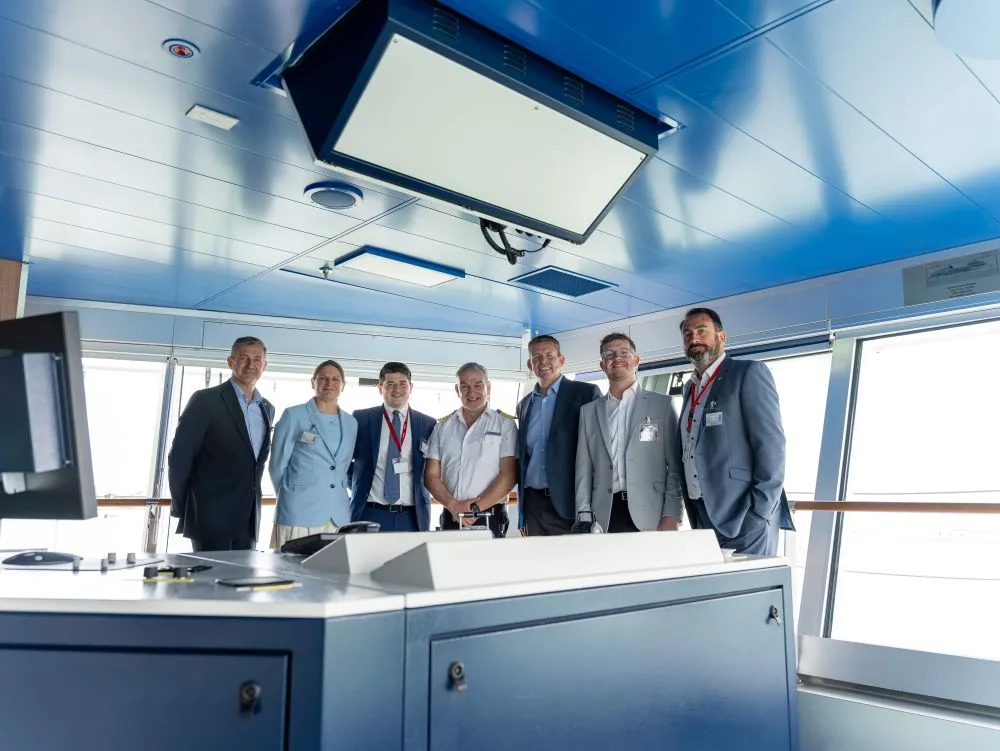
Welsh First Minister celebrates contribution of cruise tourism to Wales during ship visit in Holyhead
The Welsh First Minister, Rhun ap Iorwerth, has hailed cruise tourism as a key driver of the Welsh visitor economy during his first official engagement with the sector since taking office, signalling continued government support for cruise in Wales.On Friday, the First Minister joined Cruise Lines International Association (CLIA) and other industry representatives onboard Regent Seven Seas Cruises’ Seven Seas Grandeur in Holyhead, less than two months after taking office.Cruise is a significant contributor to the Welsh economy, with 10% of its international visitors arriving by cruise. Wales has been a successful example of Government working collectively with industry through the Cruise Wales partnership, working to attract cruise tourism and bring the associated benefits to local communities.During the visit, the First Minister met with ship officers and crew, visited the bridge, and participated in a roundtable discussion on growing and spreading the benefits that cruise brings to Wales. Discussions focused on strengthening Wales' position as a leading cruise destination, supporting local businesses and communities, and advancing the industry's pathway towards net zero emissions by 2050.The visit came halfway through this year’s Welsh cruise season, during which around 100 cruise ships visit the country, making a substantial economic contribution whilst also supporting jobs in maritime and tourism services. Holyhead and Fishguard are among the most popular cruise destinations across the British Isles, with Newport, Swansea, Cardiff and Milford Haven also welcoming ships.Rhun ap Iorwerth, First Minister of Wales, said: “Cruise is one of the fastest growing sectors of tourism, with six ports in Wales by now. I was delighted to meet with partners from across the sector to discuss the continued development of Wales as a major cruise destination, so we can work together to welcome even more tourists to Wales.“Wales will welcome over 100,000 cruise passengers and crew members this year. Today’s conversation will help drive forward growth in the cruise market, so that more people across Wales can benefit.”Andy Harmer OBE, Managing Director, CLIA UK & Ireland, said: “The First Minister's support sends a strong signal that Wales sees cruise as an important part of its visitor economy. Wales is an incredibly popular destination for cruise guests from across the world. From this, our industry makes a substantial contribution to the Welsh economy, whilst helping to put its port communities and cities on the global tourism map.“There is an excellent opportunity to grow this contribution in the comingyears. By continuing the close partnership between government, ports and industry, Wales is well placed to attract further sustainable growth in the years ahead.” Wesley D’Silva, President of Regent Seven Seas Cruises, said: “We truly appreciate the support of our local partners, and the officers and crew of Seven Seas Grandeur were delighted to host the Welsh First Minister in Holyhead. We are excited to continue playing our part in contributing to the Welsh economy by providing luxury travellers from around the world with the opportunity to enjoy the region’s exceptional experiences.”Sarah West, Managing Director, Port of Holyhead, said: “We are proud to support the continued growth of cruise tourism in Wales through the Ports of Holyhead and Fishguard, welcoming thousands of visitors each year to experience everything these communities have to offer. Every cruise call creates opportunities for local businesses, helping to generate economic activity and support jobs."At Stena Line Ports, we are committed to working closely with government, local authorities, CLIA, cruise lines and other tourism partners to ensure Wales remains an attractive and sustainable cruise destination. By investing in our port infrastructure and providing a high-quality experience for cruise operators and their guests, we can help deliver lasting benefits for local communities while showcasing Wales to visitors from around the world.” 08 July, 2026
CLIA celebrates latest river and expedition 'Cruise Champions'
Over 60 agents who successfully completed a seven-month CLIA training programme have been officially recognised as river or expedition ‘Cruise Champions’The agents received their certification at a graduation ceremony in Birmingham.The programmes, now in their second year, are aimed at agents who are new or have limited experience of the river or expedition sectors. Training includes a mix of classroom learning, monthly webinars, assessments and digital catch-ups.The content was rolled out alongside CLIA member operators and covered topics including destinations, product awareness and sales techniques.Andy Harmer, CLIA UK & Ireland managing director, said: "Manycongratulationsto all our Cruise Champions. These programmes have helped them build specialist expertise in two of the fastest-growing cruise sectors and the graduates should be very proud of what they have accomplished."Throughout the courses, agents have shared real-life experiences, customer success stories and practical insights, helping to create a genuinely collaborative learning environment. It's been particularly rewarding to see their knowledge, confidence and enthusiasm develop, equipping them to better support customers and grow their cruise business."Many thanks to our cruise line members for their continued support in helping deliver training and expertise. We look forward to welcoming another trade cohort later this year and continuing to invest in the development of cruise professionals."The next round of programmes will launch in November and again cover either river and expedition cruise. Applications will open in August. 29 June, 2026
Christmas Market River Cruises in Europe Brighten Up the Shoulder Season
Christmas market river cruises in Europe brighten up the shoulder seasonThe weeks between Thanksgiving and Christmas are considered a slower travel period in Europe – but not for river cruise lines and ports along the Rhine and Danube rivers. Late November and December cruises are some of the river cruise industry’s most popular itineraries.Christmas market river cruises hit the sweet spot for modern travelers seeking authentic cultural experiences and a festive holiday atmosphere. They also boost business for river cruise lines and the communities they visit during what would otherwise be a slow season.These limited-time, themed sailings sell out far in advance of the holiday season – a win-win-win for the river cruise lines, travelers and the ports they visit.Christmas market river cruises transform the shoulder seasonReinvigorating the slow travel months of November and December (with some cruises into January) brings benefits in many ways.Christmas market cruises “allow us to extend our sailing season into January, keeping our ships and crew active during what would traditionally be a quieter time on Europe’s rivers,” says Ellen Bettridge, President and CEO of Uniworld Boutique River Cruises. At a time when river cruise lines might be laying up ships for the winter off-season, they are instead delivering popular itineraries.At the same time, two trends have taken hold among travelers, slow-season travel, as they strive to avoid summer crowds, and seeking out cool-climate experiences. Festive holiday cruises deliver in this regard, “helping us meet strong demand for unique, off-peak experiences,” says Pam Hoffee, president of Avalon Waterways.Ports along the rivers also benefit from the extension of the river cruise season, as cruisers do their holiday shopping, indulge in gingerbread and other edible treats, visit attractions and enjoy holiday cheer.“It really is an economic driver for some of these small towns we visit” says Jennifer Halboth, CEO Riverside Luxury Cruises. “Plus, people really like to showcase their town during Christmas.”Holiday sailings attract new river cruisers and drive repeat bookingsFor the cruise lines, Christmas market river cruises are good for business. A longer cruise season means added revenue, and holiday sailings command premium prices. Also important, these cruises help river lines draw first-time cruisers with seasonal attractions and convenient seven-night itineraries.“Our Christmas Market cruises often serve as the perfect introduction to river cruising, attracting travelers who might not have considered a sailing before but are drawn to the idea of Europe during the holidays,” says Bettridge.Riverside’s Halboth notes the appeal of these itinerariesisnot just for couples, solo travelers and groups of friends but for multigenerational families looking to spend time together during the holiday season.Christmas market cruises also drive repeat bookings. Guests fall in love with the destinations, the ease of travel, the friendly crew and the beautiful ships and are persuaded to sign up for another river cruise in a different destination or time of year, the executives say.“The combination of shorter itineraries,iconic destinations and the built-in magic of the season makes these cruises a natural entry point for new guests,” says Hoffee.“Once guests experience Avalon’s elevated design and excursions, many (approximately 40%) become repeat cruisers.”Christmas market cruises are in demand“Demand has been so strong that our entire Rhine, Main, and Danube fleet is dedicated to Christmas Market sailings this season— a clear indicator of how this segment continues to grow,” says KenMuskat, President of Scenic Group (USA and Latin America), parent company of the Scenic Luxury Cruises and Tours and Emerald Cruises and Tours brands. “We’re also seeing these voyages book further out.”As Christmas Market river cruises’ popularity skyrockets, cruise lines are taking advantage by adding festive-season sailings on other rivers, such as France’s Rhone and Portugal’s Douro, to give repeat cruisers more options featuring regional holiday traditions.“Our Christmas Market cruises have transformed what was once the quietest time on Europe’s rivers to one of the most in-demand seasons of the year,” says Hoffee.© 2026 Cruise Lines International Association (CLIA). All rights reserved.This content may be shared or republished with clear attribution to Cruise Lines International Association (CLIA). Content must remain intact and may not be altered, edited, or excerpted in any way that changes its meaning or context. For additional permissions, media inquiries, or additional information, please email [email protected] 18 May, 2026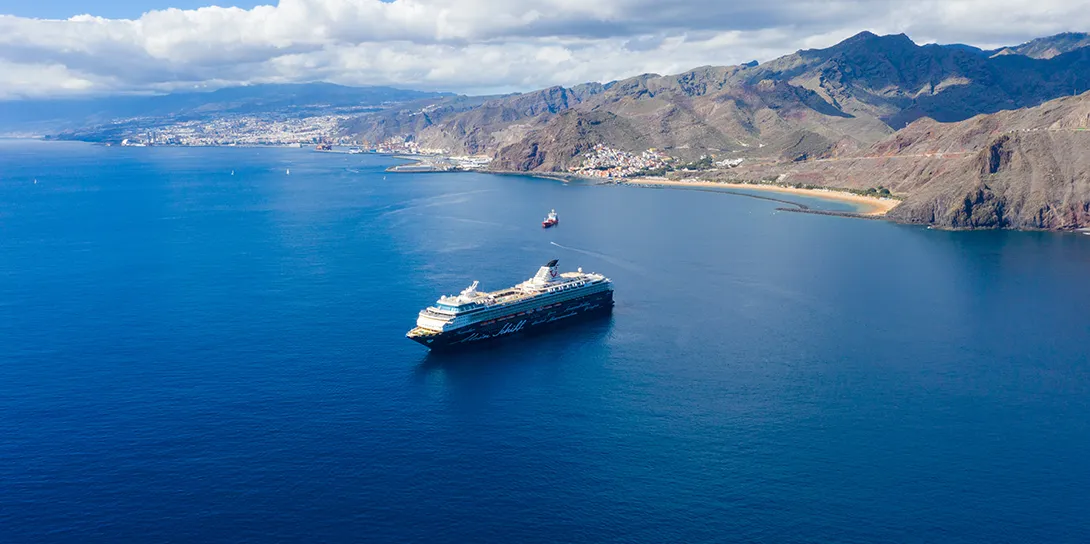
Winter Cruises in Europe Benefit Travelers, Cruise Lines and Ports
Winter cruises in Europe benefit travelers, cruise lines and portsEurope used to be a three-season cruise market. Ocean ships would reposition from Europe in late October or November and return in early spring. River ships would sail through December’s Christmas market season then take a break until spring. But change is afoot.More cruise lines have discovered the multifaceted benefits of keeping ships in Europe year-round, both for their businesses and for their port partners. The move aligns with traveler trends around avoiding summer crowds and seeking out more authentic travel experiences.Here’s how Cruise Lines International Association (CLIA) member lines are expanding shoulder-season offerings in Europe.Winter cruises in Europe are on the rise due to guest demandA few European cruise lines, such as Costa Cruises and MSC Cruises, have long offered winter cruises in the Mediterranean. Other cruise lines have recently added itineraries too – inspired by inquiries from their guests.“Over the past few years, we’ve seen growing interest in quieter, more immersive travel experiences, especially in destinations that are traditionally busy during peak seasons,” says Janet Bava, Windstar Cruises’ Chief Commercial Officer. To that end, the line trialed its first Mediterranean winter cruises in 2023.On the inaugural sailing, "every single travel advisor and guest on board told me, ‘This is genius’,” said Bava. Windstar continues winter-in-Europe cruises with itineraries exploring Southern Spain, the French and Italian Riveiras, and the Dalmatian Coast. All are on the new Star Explorer.Celebrity Cruises also dipped its toes into cooler cruise waters beginning in 2023, positioning Celebrity Infinity in Europe year-round. The ship continues to offer cruises in winter, with Canary Islands, Spain and Morocco sailings from Barcelona, before heading to Italy and Greece in March.Holland America Line is introducing late fall/winter cruising in Europe in the 2027-2028 season - including a dozen sailings on the Nieuw Startendam in Northern Europe and the Mediterranean.River cruise lines, such as AmaWaterways, are extending their cruise seasons as well. AmaWaterways has February 2027 departures on the Danube aboard the AmaLea and AmaMora", says Catherine Powell, AmaWaterways' CEP. The AmaMora cruise is a themed Celebratio nof Wine sailing, hosted by a winemaker and including tastings and vineyard visits.Winter cruises appeal to travelers seeking authentic experiencesTravelers today want cultural authenticity and a respite from summer crowds in popular Europe cities. Winter cruises offer just that.“More guests are realizing that cruising outside the traditional popular months comes with wonderful advantages: Cooler temperatures, fewer crowds, and a more authentic, relaxed atmosphere,” says Powell. “Our February and early March sailings have been well received.”She adds, “It’s a chance to connect with local people, enjoy seasonal traditions, and see destinations before spring really blooms.”For cost-conscious travelers, off-season sailings can be lighter on guests’ wallets. Pre- and post-cruise flights and accommodations may cost less than during summer’s peak travel times.The value isn’t just financial. Cruisers who have sailed Mediterranean cruises before can return in winter to experience the destination in a new way.“Sailing Europe in the winter and shoulder seasons gives our guests a completely different perspective. Cities like Venice or Dubrovnik feel more intimate, more local, and more accessible,” says Windstar’s Bava. “These sailings often attract seasoned travelers who’ve seen the ‘greatest hits’ and are now looking to dig deeper.”Winter cruises support sustainability goalsVacationers are not the only parties who benefit from increased off-season sailings. Winter cruises are beneficial for cruise lines and their port partners as well.For the cruise lines, deploying a ship to Europe year-round is a smart investment. “Sailing in the off-season maximizes asset utilization,” says Bava. “By avoiding long transits like ocean crossings, we’re able to increase the number of port calls and spend more time in destination-rich regions.” It also allows the lines to reduce fuel consumption.Extending the Mediterranean cruise season also supports local port economies during tourism’s slow season.“Our port partners have been very supportive,” says Powell. “They like the idea of taking the pressure off the busy summer and fall months while continuing to bring meaningful benefits to local communities throughout the year.”“Restaurants, museums, and markets in the Mediterranean are still very much alive in the off-season,” says Bava. “Our presence helps sustain that activity.”© 2026 Cruise Lines International Association (CLIA). All rights reserved.This content may be shared or republished with clear attribution to Cruise Lines International Association (CLIA). Content must remain intact and may not be altered, edited, or excerpted in any way that changes its meaning or context. For additional permissions, media inquiries, or additional information, please email [email protected] 18 May, 2026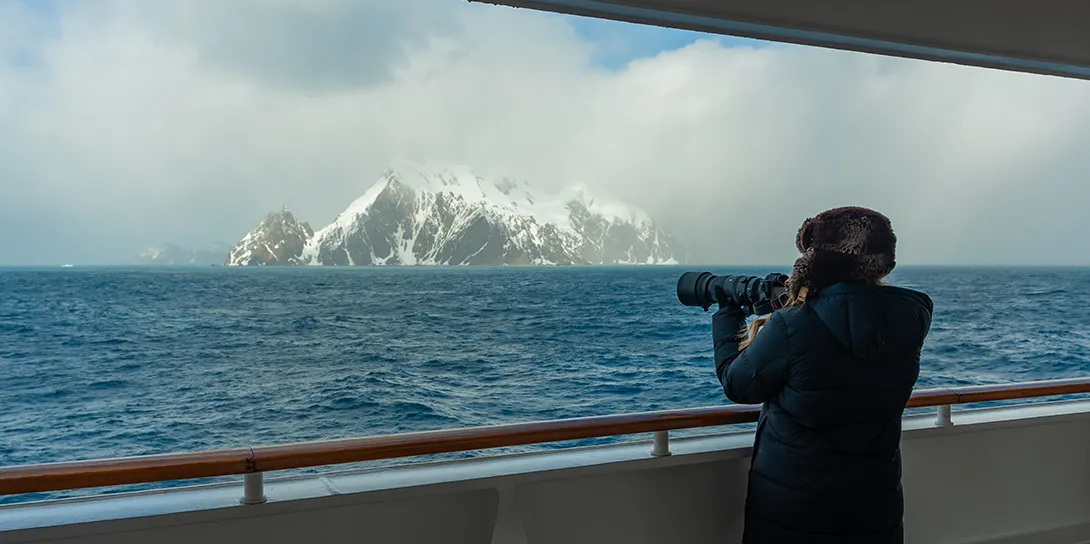
Why Has Expedition Cruising Become Travel’s Hottest Ticket?
Why Has Expedition Cruising Become Travel’s Hottest Ticket?You’re hovering at the waterline in an inflatable Zodiac off your expedition cruise, exploring one of the most remote corners of the world. You could be in arctic waters as a humpback whale breaches, close enough that you can count its barnacles. Or you’re snorkeling in the Galapagos, encountering a playful pack of sea lions. Expedition cruises bring you close to unspoiled wonders of the world with unmatched convenience and ease.These small ship cruises aren’t just a trend; they’re redefining modern travel by bringing the furthest corners of the world within reach. The sector is experiencing significant growth. Cruise Lines International Association (CLIA) reports a 150% increase in global capacity for expedition and exploration ships from 2019 to 2029 (including ships on order), with more than 40 small ships sailing today that are specifically built for this type of cruising. Among the many staggering statistics that point to the meteoric rise in popularity of expedition and exploration cruising, there was a 22% rise in passengers from 2023 to 2024, alone.This booming new cruise sector has become the go-to for ultimate, bragworthy adventures worldwide.Experiencing the OceanDriven by a traveler fascination with exploration and first-hand encounters, expedition cruises have never been more popular. The industry has seen a rapid increase in customer demand not just to see the world, but to adventure through its outermost frontiers. New, boutique-sized ships are equipped with advanced technology and reinforced hulls, enabling them to navigate waters that were once unavailable for consumer travel. Expedition cruises are often the only way to reach remote places such as South Georgia Island, the North Pole, or the Northwest Passage, easily and safely.For passengers who have explored the world's most popular ship routes and newbies alike, expedition cruises offer unique, off-grid itineraries. Immersive, adventure-focused excursions, always bespoke given the unpredictability of nature, are the highlights of these sailings. Whether you’re kayaking alongside penguin colonies in Antarctica from a luxurious Seabourn expedition ship or snorkeling alongside sea turtles and stingrays in the Galápagos on the upscale Celebrity Flora expedition ship, these immersive nature encounters leave you with memories of a lifetime.Appealing to New GenerationsExpedition voyages have contributed to interest in cruising from younger travelers, particularly Gen Z and Millennials. These guests are often first-time cruisers, seeking extraordinary experiences – with pent up wanderlust and opportunity to brag on social media driving demand for remarkable journeys. Younger travelers seek authentic travel adventures where they can travel with purpose, and are eager to learn about ecosystems, cultures, and climate through expert-led excursions.Keeping Up with the DemandThe exponential growth in expedition fleets has encompassed a remarkable roll out of new, boutique ships, new routes, and uncharted itineraries. New ships are slated to debut in the coming years, including the Scenic Ikon from Scenic Luxury Cruises & Tours in 2028.Luxury brands are also expanding the expedition experience beyond the ship. Silversea will launch its first-ever hotel, The Cormorant at 55 South, for the 2026/2027 Antarctica Season. The new luxury lodge is in Puerto Williams, Chile – the world’s southernmost town. The cruise line’s entrant into land-based accommodations will offer a stylish launch pad for its Antarctica sailings.The Cutting Edge of SustainabilitySustainability is a core mission of all CLIA member cruise lines, with a commitment to pursuing net-zero emissions by 2050. Passengers are eager to see expedition fleets doing their part to help protect the environment, and the cruise industry is meeting the challenge.Technological breakthroughs in sustainability include the LNG‑battery hybrid propulsion on Ponant’s LeCommandantCharcot (with net‑zero operations when on battery); Silversea’s first-ever Galapagos waste solution, diverting all non-organic waste away from island landfills; Quark Expeditions’ micro‑turbine energy, which delivers one of the cleanest, lowest-footprint polar expedition ships; and HX Expeditions’ award-winning sustainability leadership efforts to reduce their environmental footprint with hybrid ships, shore power, and biofuels. Ponant is also developing the Swap2Zero, a next generation sailing ship, to debut around 2030.Future Horizons A world of new exploration awaits from the North and South Poles to remote destinations in between. CLIA member cruise lines continue to meet the demand for expedition sailings, pioneering voyages that take guests on the most thrilling adventures – complemented with special interest programs targeting, for instance, birders, citizen scientists, and photographers.Expedition cruising’s popularity, blending exploration with premium onboard amenities, shows no sign of slowing as small-ship fleets (and their mighty sustainability efforts) journey to the far reaches of the earth.© 2026 Cruise Lines International Association (CLIA). All rights reserved.This content may be shared or republished with clear attribution to Cruise Lines International Association (CLIA). Content must remain intact and may not be altered, edited, or excerpted in any way that changes its meaning or context. For additional permissions, media inquiries, or additional information, please email [email protected] 18 May, 2026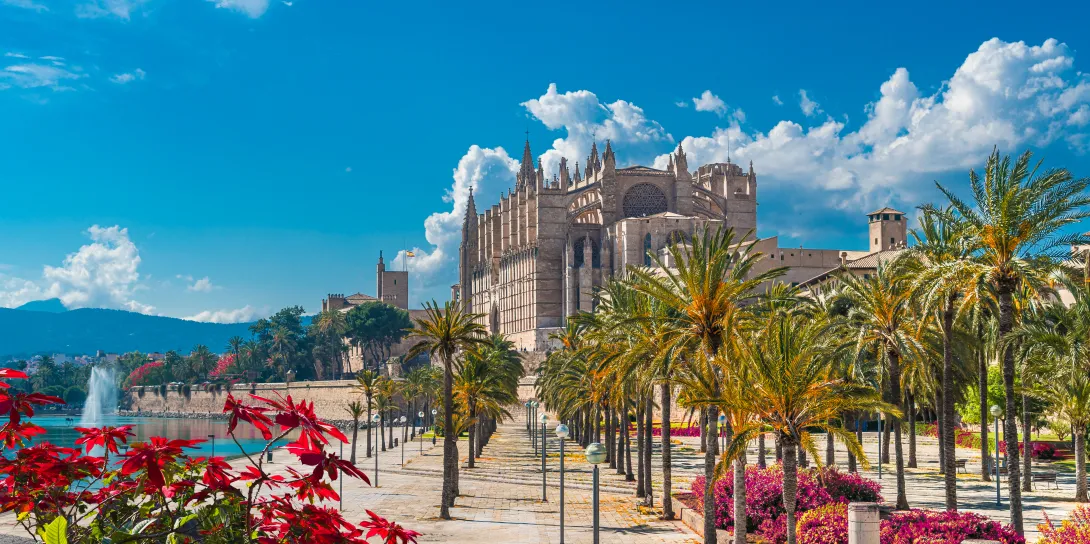
Destination Spotlight: Spain
A visit to Spain brings access to world-class cities, iconic art and architecture, delicious cuisine, stunning beaches, and deep history and culture – all of which appeal greatly to cruise passengers. It’s no surprise the country is prominent on the cruise tourism map.Europe cruises have seen a steady increase in passenger interest in recent years, according to most popular cruise region in the world, with one out of every six cruise passengers globally sailing to the Mediterranean in 2025.Spain, and in particular the city of Barcelona, is a popular embarkation and disembarkation point for cruises in the Mediterranean. The country plays a central role in the cruise industry’s success in Europe, and nearly every major cruise line has a presence in the country.CLIA has a dedicated presence in Spain, and closely collaborates with local and national authorities to advance sustainable tourism. This includes agreements to manage ship traffic in major ports, such as Barcelona and Palma de Mallorca in the Balearic Islands. These agreements balance the significant local economic benefits of cruise tourism with the number of passengers destinations say they can handle. In 2024, more than 63,500 jobs in Spain were the result of a thriving cruise industry.Coastal and easy access inland attractionsBarcelona is the leading port city in Spain, and home to such attractions as Antoni Gaudi’s eccentric architecture, the famous La Rambla boulevard, and the Mercat (market) de la Boqueria, a foodie favorite.Cruise lines homeport ships in the city because it affords access “to some of the Mediterranean’s most sought‑after destinations from a convenient turnaround port that is a bucket-list destination in and of itself," says Todd Hamilton, chief of staff for Norwegian Cruise Line.Norwegian Cruise Line calls at 19 ports in Spain. Popular destinations include Palma de Mallorca, with its medieval Old Town and access to the island of Mallorca’s beaches and coves. Malaga, on Spain’s east coast, where Pablo Picasso was born, and the historic city of Cadiz, both serve as gateways to Andalusia, with its rich history, Moorish architecture and cultural attractions such as flamenco dancing.Valencia, Las Palmas (in the Canary Islands), Cartagena, and Bilboa, among other destinations, show off Spain’s variety as a Mediterranean destination."Spain’s incredible diversity makes it an ideal destination to explore by cruise, from the rich history of Majorca to the beach clubs of Ibiza and the vibrant culture of Motril, there is something for everyone,” Norwegian’s Hamilton says."Spain guests can explore a wide range of destinations – from historic cities and cultural capitals to scenic coastal ports – each offering a distinct sense of place," agrees Robert de Bruin, director of itinerary planning for Holland America Line, which visits 14 Spanish ports. "Together, Spain’s breadth of ports and Barcelona’s strategic significance enhance itinerary variety, enrich the guest experience, and reinforce Holland America Line's destination‑focused approach to cruising.Genuine partnerships benefit local economies“Spain is honestly one of those destinations that just keeps delivering, and that's exactly why it plays such a central role in what we offer,” says Natasha Salzedo, senior director of destinations for Virgin Voyages, which seasonally homeports three ships in Barcelona, and sails to more than 10 Spanish ports.Salzedo says guests don’t stay on the ship in Spanish ports; they go out and explore. “That’s real economic value flowing back into the community,” she notes.Geneva-based MSC Cruises has the largest presence in Spain, and Carnival Cruise Line, Celebrity Cruises, Costa Cruises, Disney Cruise Line, P&O Cruises, Princess Cruises, Royal Caribbean International and luxury lines such as Explora Journeys, Oceania Cruises, Regent Seven Seas Cruises, Seabourn Cruise Line, and Silversea Cruises, are among other cruise companies with a significant presence in the country.Spain as a growing source marketIn addition to attracting international visitors, Spain is also a significant source market for cruises. According to CLIA, more than 635,000 Spanish passengers set sail in in 2025. The average Spanish cruiser sails for more than a week, and the top destination is the close-to-home Mediterranean.© 2026 Cruise Lines International Association (CLIA). All rights reserved.This content may be shared or republished with clear attribution to Cruise Lines International Association (CLIA). Content must remain intact and may not be altered, edited, or excerpted in any way that changes its meaning or context. For additional permissions, media inquiries, or additional information, please email [email protected]. 18 May, 2026

Europe Leadership

Nikos Mertzanidis
Executive Director, CLIA, Europe
Hans Chen Braas
Regional Director, Nordics and Baltics
Maria Deligianni
Regional Director, Eastern Mediterranean
Francesco Galietti
National Director, Italy