




Antarctica: Seeing the ice and more in this exciting cruise destination
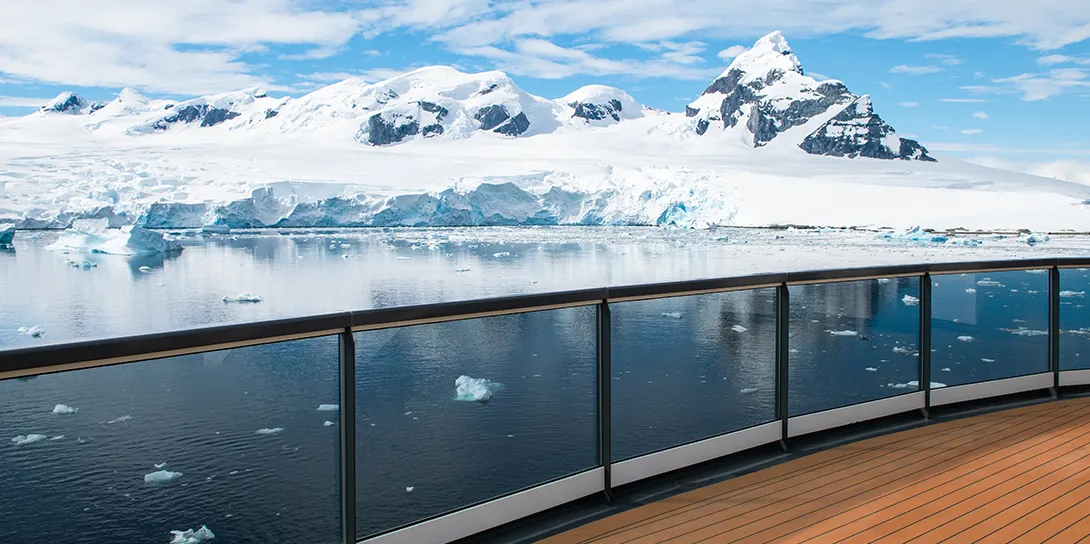
Expedition cruising is on the rise as travelers seek immersive experiences, nature-based exploration, uncrowded destinations, and bucket list adventures. Cruise Lines International Association (CLIA) reports that the global capacity for expedition ships will increase 150% from 2019 to 2029. The key destination for adventurous cruisers in winter is Antarctica.
During the 2024-2025 season, according to the International Association of Antarctica Tour Operators (IAATO), 117,020 travelers visited Antarctica by cruise ship, including on more than a dozen CLIA member lines. Roughly two-thirds of passengers had the opportunity to bundle up in parkas and make a landing on Antarctica’ shores, while others viewed the icy “White Continent” and wildlife such as penguins and marine mammals from the comfort of their cruise ships.
What’s the appeal of sailing to the end of the world? “Antarctica captures the imagination because it offers a rare glimpse into one of our planet’s most untouched and extreme environments,” says Samuel Chamberlain, CEO, Americas at small ship line Ponant.
A vast range of itineraries and experiences
“Guests are looking beyond traditional itineraries, drawn to destinations that offer true exploration, learning, and a sense of accomplishment,” says Robin West, Vice President of Expeditions for Seabourn. Antarctica offers a diverse array of itineraries, ships, and experiences that appeal to many types of cruisers.
The basic Antarctica itinerary visits landing sites on the Antarctic peninsula, the long arm that stretches toward the tip of South America, and its surrounding islands. Longer trips (three to four weeks) incorporate visits to the South Shetland Islands, South Georgia, and the Falkland Islands.
Most itineraries depart from Ushuaia, Argentina, and cross the famed Drake Passage, which typically adds two days to and from Antarctica. An option is skipping the Drake and flying one or both ways to board your ship. Silversea is opening a hotel in fall 2026 in Puerto Williams, Chile to house Antarctica-going guests in its fly/cruise itineraries. Other lines with fly-in options include Aurora and Quark Expeditions.
Creature comforts in the wilderness
Modern shipbuilding has brought a sea change to the vessels plying Antarctica waters, and cruise travelers need not give up creature comforts to sail south.
The International Association of Antarctica Tour Operators (IAATO) classes non-yacht cruise ships into three categories. Ships carrying more than 500 guests cannot discharge passengers ashore for landings. Guests on lines such as Azamara Cruises, Celebrity Cruises, Holland America Line, Oceana Cruises and Princess Cruises can take in the otherworldly scenery while enjoying the many onboard amenities of these larger ships.
Ships carrying between 201 and 500 passengers can make landings at a limited number of stops. Ponant, Seabourn, Scenic Cruises and Silversea’s expedition fleets have expedition fleets that feature luxurious suites and upscale lounges to enjoy when guests are not ashore. Seabourn and Scenic carry submersible vessels for underwater exploration, and Scenic also carries a helicopter for flightseeing.
Small ships (up to 200 guests) have access to IAATO’s full roster of landing sites. These cruise lines – such as Aurora Expeditions, HX Expeditions, and Quark Expeditions (with helicopters onboard the Ultramarine ship) might make multiple landings in a day or offer additional activities such as snowshoeing, kayaking, and onshore camping.
Antarctica cruise tourism benefits the local economy and global science
IAATO sets guidelines for member cruise lines to support environmentally responsible tourism in Antarctica and works with numerous partners to make tourism beneficial to the surrounding gateway communities, as well as to conservation efforts and research science.
“IAATO works with local government and the community to identify shared goals and collaborative opportunities which create meaningful impact for those who call Ushuaia home,” says Lisa Kelley, IAATO’ Executive Director. The organization has partnered with cruise lines to increase the locally sourced products used on board and to hire more workers from southern Argentina, for example.
Cruise lines are also using their unique access to remote places to support global science. Many ships feature science labs on board and offer participatory “citizen science” opportunities to guests. Projects include contributing photos to a whale identification database, analyzing sea water samples, and launching weather balloons.
Antarctica-based ships partner with research facilities to transport scientists and research equipment to field sites. Some lines also host scientists aboard, giving them space to conduct field research. As an example, Ponant’s Le Commandant Charcot icebreaker hosts scientists from the University of Western Australia, Woods Hole Oceanographic Institute in the U.S., and French research institute EPHE to study ocean dynamics, ice systems, and seabird ecology.
Antarctica cruises, as noted by IAATO, bring first-hand opportunity to turn curious travelers into advocates for the preservation of the remote and pristine continent, preserving Antarctica for future generations.
© 2026 Cruise Lines International Association (CLIA). All rights reserved.
This content may be shared or republished with clear attribution to Cruise Lines International Association (CLIA). Content must remain intact and may not be altered, edited, or excerpted in any way that changes its meaning or context. For additional permissions, media inquiries, or additional information, please email [email protected]
Download This Article
For more information about CLIA's sharable content, visit CLIA's Industry Article Hub
Relevant News
Welsh First Minister celebrates contribution of cruise tourism to Wales during ship visit in Holyhead
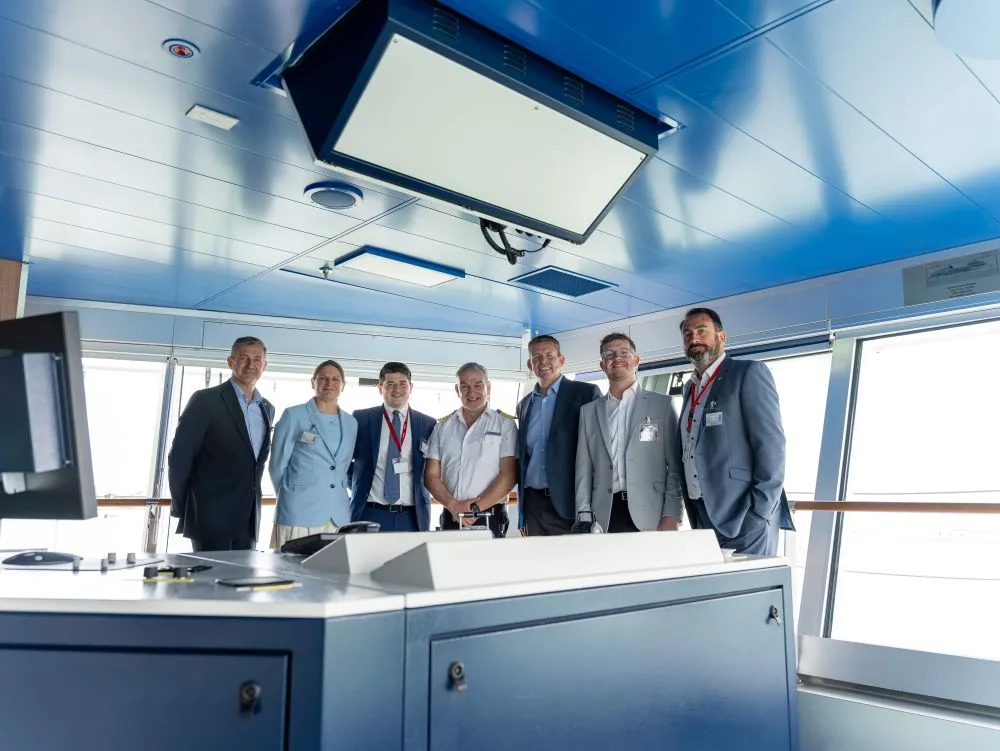
The Welsh First Minister, Rhun ap Iorwerth, has hailed cruise tourism as a key driver of the Welsh visitor economy during his first official engagement with the sector since taking office, signalling continued government support for cruise in Wales.On Friday, the First Minister joined Cruise Lines International Association (CLIA) and other industry representatives onboard Regent Seven Seas Cruises’ Seven Seas Grandeur in Holyhead, less than two months after taking office.Cruise is a significant contributor to the Welsh economy, with 10% of its international visitors arriving by cruise. Wales has been a successful example of Government working collectively with industry through the Cruise Wales partnership, working to attract cruise tourism and bring the associated benefits to local communities.During the visit, the First Minister met with ship officers and crew, visited the bridge, and participated in a roundtable discussion on growing and spreading the benefits that cruise brings to Wales. Discussions focused on strengthening Wales' position as a leading cruise destination, supporting local businesses and communities, and advancing the industry's pathway towards net zero emissions by 2050.The visit came halfway through this year’s Welsh cruise season, during which around 100 cruise ships visit the country, making a substantial economic contribution whilst also supporting jobs in maritime and tourism services. Holyhead and Fishguard are among the most popular cruise destinations across the British Isles, with Newport, Swansea, Cardiff and Milford Haven also welcoming ships.Rhun ap Iorwerth, First Minister of Wales, said: “Cruise is one of the fastest growing sectors of tourism, with six ports in Wales by now. I was delighted to meet with partners from across the sector to discuss the continued development of Wales as a major cruise destination, so we can work together to welcome even more tourists to Wales.“Wales will welcome over 100,000 cruise passengers and crew members this year. Today’s conversation will help drive forward growth in the cruise market, so that more people across Wales can benefit.”Andy Harmer OBE, Managing Director, CLIA UK & Ireland, said: “The First Minister's support sends a strong signal that Wales sees cruise as an important part of its visitor economy. Wales is an incredibly popular destination for cruise guests from across the world. From this, our industry makes a substantial contribution to the Welsh economy, whilst helping to put its port communities and cities on the global tourism map.“There is an excellent opportunity to grow this contribution in the comingyears. By continuing the close partnership between government, ports and industry, Wales is well placed to attract further sustainable growth in the years ahead.” Wesley D’Silva, President of Regent Seven Seas Cruises, said: “We truly appreciate the support of our local partners, and the officers and crew of Seven Seas Grandeur were delighted to host the Welsh First Minister in Holyhead. We are excited to continue playing our part in contributing to the Welsh economy by providing luxury travellers from around the world with the opportunity to enjoy the region’s exceptional experiences.”Sarah West, Managing Director, Port of Holyhead, said: “We are proud to support the continued growth of cruise tourism in Wales through the Ports of Holyhead and Fishguard, welcoming thousands of visitors each year to experience everything these communities have to offer. Every cruise call creates opportunities for local businesses, helping to generate economic activity and support jobs."At Stena Line Ports, we are committed to working closely with government, local authorities, CLIA, cruise lines and other tourism partners to ensure Wales remains an attractive and sustainable cruise destination. By investing in our port infrastructure and providing a high-quality experience for cruise operators and their guests, we can help deliver lasting benefits for local communities while showcasing Wales to visitors from around the world.” 08 July, 2026
CLIA announces host of agent events and initiatives at annual conference
Cruise Lines International Association (CLIA) UK & Ireland has today (June 4, 2026) made a number of announcements and updates at its annual conference in Southampton.Over 800 delegates from across the trade heard from Andy Harmer, managing director UK & Ireland, who confirmed:* The second cohort of CLIA Cruise Champions will graduate on June 26 in Birmingham, following the successful completion of their expedition cruise or river cruise programmes. Applications for the class of 2027 will then open in September.* The Expedition Showcase will return for a second year to Svalbard in July. Five ships will be available for attendees to visit:- Greg Mortimer, AE Expeditions- HX Spitsbergen, HX Expeditions- Silver Endeavour, Silversea- SH Vega, Swan Hellenic- Le Commandant Charcot, PonantA full day of business sessions, a coastal wildlife boat trip, sightseeing tour, dining at local restaurants and a visit to the world’s northernmost brewery will be on offer. Delegates will be accompanied throughout by the expedition suppliers.* A Luxury Cruise Summit will be held on September 4 in Southampton. The event will comprise a guided ship visit of Oceania Marina, business sessions onboard and a networking dinner the previous evening.* CLIA has announced a'Seattle Awaits' fam trip, new for 2026. Arranged in partnership with the Port of Seattle, Visit Seattle, Virgin Atlantic and Delta, Holland America Line, Princess Cruises and Travel Weekly, it will have a destination theme and is aimed at senior sales, commercial and product managers.Including return flight options from London, attendees will be invited to explore Seattle with a three-night city stay. The schedule will include ship visits to Eurodam and Star Princess as well as hosted evenings. A three-night stay in Washington state will then take place, with hosted activities, guided tours and dining.The event opens for applicationsshortly.* A River Cruise Forum in Manchester on October 6 and a Yacht & Small Ship Forum in Birmingham on October 7 have been arranged. Both will have a full day of business sessions and product training.CLIA Conference runs to June 6. It is the largest UK travel agent of its kind in Europe and today includes business sessions and a networking trade fair. The business sessions were joined by Rob Rinder MBE, professional criminal barrister, media personality and author; and Carly Telford, retired goalkeeper, former Lioness and media pundit.The next two days feature a sailaway party and up to two ships for delegates to visit, from an overall choice of six:- Queen Anne, Cunard- Britannia, P&O Cruises- Celebrity Apex, Celebrity Cruises- MSC Virtuosa, MSC Cruises- Oceania Insignia, Oceania Cruises- Seven Seas Grandeur, Regent Seven Seas CruisesAn optional 'New to Selling Cruise Day' was yesterday on offer to agents.In addition, yesterday also saw over 60 colleagues from across the cruise industry take part in a New Forestbike ride, in aid of the Family Holiday Charity. It marked the highest ever turnout of riders, with participants cycling either 100km, 50km or 20km and a target to raise £10,000.Andy Harmer said: "The range of initiatives announced today underlines our ambition to make 2026 our most impactful year yet for trade engagement. Whether via ship visits, specialist training, networking opportunities or flagship events, we're continuing to invest in helping agents develop their expertise and unlock new sales opportunities across every cruise sector."It's also fantastic to see such strong attendance at this year's conference and a record number of participants taking part in our charity cycle ride. The cruise community is built on collaboration, and events such as these demonstrate both the strength of the industry and the willingness of colleagues to come together, support one another and give something back."To donate to the Family Holiday Charity cycle ride, go to www.justgiving.com/campaign/clia-nf26 04 June, 2026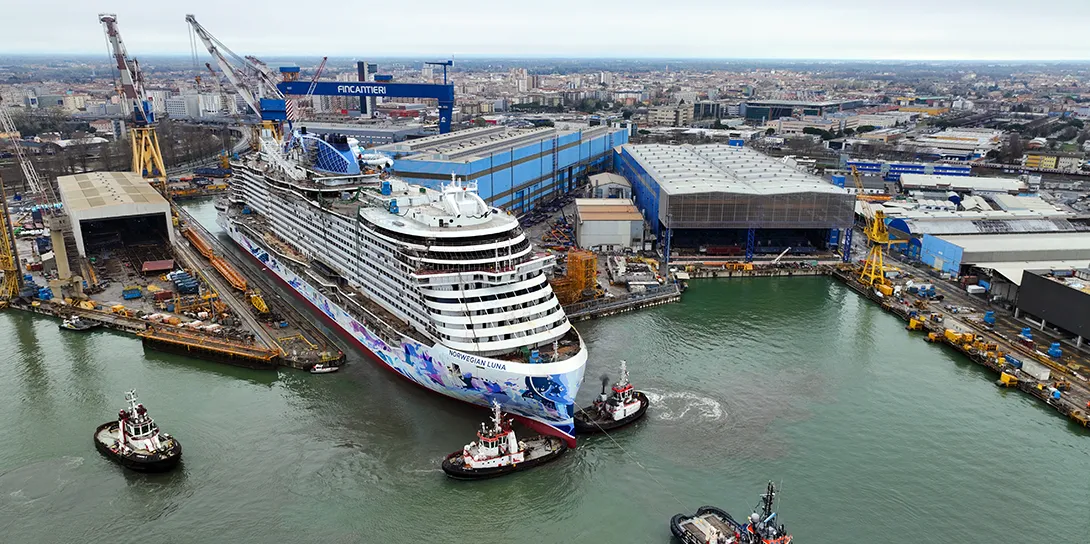
From Shipbuilding to Home Porting: The Cruise Industry in Italy
Italy’s influence on the cruise industry begins with building modern cruise ships packed with innovative attractions and sustainability enhancements. It culminates in alluring Mediterranean itineraries that draw Europeans and overseas travelers alike to Italy’s famous cities and boutique destinations.Italy has an outsized impact on most aspects of the cruise lifecycle, and the cruise industry in turn is a key contributor to the country’s economy.Made in Italy: Shipbuilding and sourcingItaly’s role in the cruise industry is greater than its collection of destinations. Through cruise-related activities, Italy generated an economic output of 8.5 billion euros (more than $21 billion) in 2024, with a 7.3-billion-euro (about $18.5) contribution to the country’s GDP, according to a Cruise Lines International Association (CLIA) report.Italy topped all other European countries with the financial impact of its cruise-related businesses, more than doubling the next country’s output. Italy generates significant economic impact across four cruise-related areas — shipbuilding, cruise line purchases, passenger and crew spending, and staff wages.As of April 2026, the cruise industry has committed to building 84 ships over a 14-year period, and 50 of those ships were assigned to Italian shipbuilders – for an investment of tens of billions of dollars. The largest shipbuilder, Fincantieri, is based in Trieste and has eight facilities in Italy. Fincantieri has built more than 130 cruise ships for 25 brands – including brands of Carnival Corporation, MSC Group, Norwegian Cruise Line Holdings, and Royal Caribbean Group. One in every three cruisers sails on a Fincantieri-built ship, according to the company.Fincantieri employs some 10,000 people and generates 90,000 additional jobs in Italy alone. The company is also at the forefront of the cruise industry sustainability movement, innovating with LNG (liquified natural gas) propulsion, among other areas.In addition to shipbuilding jobs, Italy generates revenue through provisioning the cruise industry. Cruise lines buy from local farmers, fishmongers, even cheese and pasta makers, to supply the fresh produce and quality ingredients their guests enjoy.The allure of Italian portsIn 2025, according to CLIA, one out of six cruise passengers worldwide sailed in the Mediterranean, for a total of 5.96 million travelers. Italian ports were instrumental in drawing those cruisers to southern Europe. With more than 15 million passengers expected to embark, disembark, or transit through Italian ports in 2026, Italy is a leading cruise destination country in Europe.“Italian ports are not merely places to dock as they offer a unique blend of art, history, and gastronomy that is the main driver for European cruise demand,” says Laura Cimaglia, vice president of MedCruise, which promotes the cruise industry in the Mediterranean.With more than 60 cruise ports, Italy offers access to a mix of iconic cities, such as Venice, Naples, and Rome, and attractive smaller destinations, such as Bari and Savona. The country is home to more than 60 UNESCO World Heritage Sites, many easily accessed from its coastal ports.The abundance of Italy’s attractions drives repeat business crucial for industry success, Cimaglia says.Several Italian cities also serve as embarkation and debarkation ports for Mediterranean cruises. Homeports are a win for cruisers and local communities alike. Visitors can custom design a longer vacation that includes a land stay. In the process they spend money on accommodations, restaurants, transportation, tours, and activities – all beneficial to the local economy. Plus, homeports as operational hubs create jobs in port services, provisioning, and logistics.Italy as source marketItaly is not only a welcoming cruise destination, but the sixth largest passenger source market in the world, with 1.1 million Italians setting sail in 2025, according to CLIA.What do Italians love about cruising? “The pleasure of discovering multiple destinations in one journey, the social and convivial side of travel, great food, and the balance between relaxation and cultural immersion,” says Dario Rustico, general manager Americas for Costa Cruises.Italians most often cruise regionally in the Mediterranean (75% of bookings), but they are increasingly interested in world cruises and longer sailings to other destinations, says MedCruise’s Cimaglia.Costa Cruises, headquartered in Genoa and with Italian-flagged ships, and MSC Cruises, founded in Italy, and now based in Geneva, help promote cruising to Italians and attract international travelers with their European atmosphere and cuisine.“From a business perspective, they leverage the Mediterranean lifestyle as a unique selling proposition,” says Cimaglia. “These cruise lines act as ambassadors, attracting a diverse international clientele that seeks the elegance and warmth synonymous with the Italian spirit.”© 2026 Cruise Lines International Association (CLIA). All rights reserved.This content may be shared or republished with clear attribution to Cruise Lines International Association (CLIA). Content must remain intact and may not be altered, edited, or excerpted in any way that changes its meaning or context. For additional permissions, media inquiries, or additional information, please [email protected]. 01 June, 2026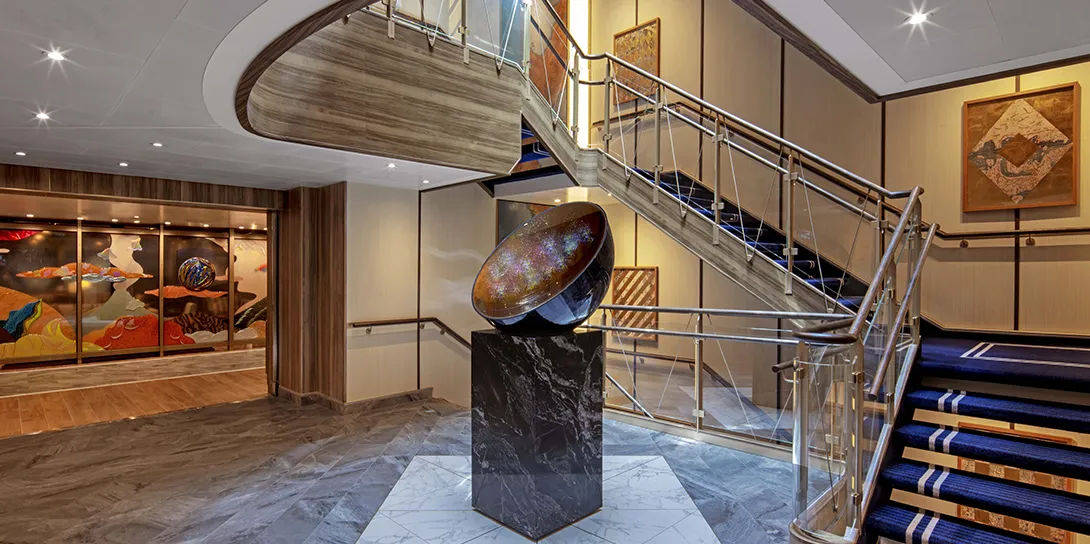
Cruise Lines Are Patrons of the Arts
Each night, a massive video show appears at PortMiami, transporting viewers on a marine journey from shore to mangroves, coral reefs to the depths of the sea. Drivers traveling from downtown to Miami Beach take in the nightly picture show, a complex work by digital artist Danielle Roney, embedded into the MSC Cruises terminal facade. The $1 million-plus "Maris" artwork is the result of five years of hard work, supported by the cruise lines.For emerging and established artists alike, cruise line members of the Cruise Lines International Association (CLIA) have become meaningful patrons. Across ships of every size - and at terminals too - contemporary art has evolved as a guest amenity that deepens the onboard experience."It's a great conversation starter for our guests," explains Christopher Prelog, President of Windstar Cruises.Cruise lines meaningfully supporting artistsWhen Windstar moved its headquarters from Seattle to Miami in 2022, it partnered with the local nonprofit Fountainhead Arts to commission large-scale murals for three ships, each created by a different emerging artist. The collaboration has been so popular with guests that the company has commissioned three more.Nice'n Easy, a two-person art collaborative of artists Jeffrey Noble and Allison Matherly, painted one of the first murals, a cheerful scene measuring 7 feet by 30 feet, aboard Windstar's 312-passenger Star Breeze. "It was a unique opportunity," says Noble. "It's a very cool idea that our work is out there, sailing around the world."A benefit for artists working with cruise lines is they are well compensated, says Fountainhead Arts founder Kathryn Mikesell, noting that cruise companies do not expect emerging artists to just work for exposure.Encouraging creativityWhile some cruise lines purchase existing works for their public spaces, several cruise lines work with art advisors to commission new works that underscore a ship's particular sensibility.For Seabourn's 264-passenger expedition ship, Seabourn Pursuit, the design team at Tihany Design worked with art curators at London-based Double Decker to commission works reflecting the remote places the ship visits, such as Antarctica. The ship's artwork includes a landscape of glass panels by South Korean-born Sogon Kim and a Double Decker designed a geode-like sphere structure evoking an inky sky filled with stars and planets.For brands such as Celebrity Cruises, Royal Caribbean International, and Silversea Cruises, among others, the firm International Corporate Art commissions pieces based on each ship's individual theme. On Silversea's Silver Nova, for instance, artworks use textures and materials to explore hidden meaning. What looks like a tapestry by Federico Miro, for instance, turns out to be a detailed acrylic painting; and "mosaics" by Marie-Andrée Côté are in fact delicate porcelains.On Royal Caribbean's 5,600-passenger Icon of the Seas, which debuted in 2024 as the world's largest cruise ship, nearly 14,000 artworks subtly reflect a theme of multiculturalism. They include Daniel Arsham's massive archeological-style head with a bi-colored face; and Thandiwe Muriu's colorful pattern-on-pattern photographs. The 4,000 works on sister line Celebrity Cruises' Celebrity Apex include "The Hidden Forrest," a mirrored maze by Kohei Nawa that both calms and confounds. To help guests make the most of the onboard art experience, these brands and other offer guests onboard art tours, whether guided or digitally accessible.Art education onboard shipsPublic artWhen it comes to cruise-line commissioned art, Mooney's "Maris" for the MSC Terminal in Miami takes "unique" to new depths. Her artwork imports live data from sensors on marine buoys, then converts them into moving images that adjust in scale in real time -with 18 rear projectors showing the work on the building in 166 million pixels.The result enables Rooney to visually convey a story focused on the cruise line's commitment to ocean preservation. Says Rooney, "It's actually communicating something very meaningful and beautiful and poetic but in a tangible way."© 2026 Cruise Lines International Association (CLIA). All rights reserved.This content may be shared or republished with clear attribution to Cruise Lines International Association (CLIA). Content must remain intact and may not be altered, edited, or excerpted in any way that changes its meaning or context. For additional permissions, media inquiries, or additional information, please email [email protected]. 01 June, 2026
Attending Major World Events Is Seamless on a Cruise
Taylor Swift put a spotlight on event-based travel, but cruise lines have long been offering guests front row seats to major world events, such as the Monaco Grand Prix and Carnival in Rio de Janeiro, and nature-based delights such as Japan’s cherry blossom season.“Cruising makes attending major world events seamless,” says Nico Corbijn,Chief Administrative Officer of Azamara Cruises. “Transportation, accommodations, dining, and curated experiences are integrated, allowing travelers to focus on the moment itself instead of the planning complexities that often accompanythese high-demand events.”Taking a cruise to a major event eliminates for guests the need to book overpriced hotels months in advance or navigate the complexities of ticket booking systems. It also embeds the big-draw event within a larger exploration of the region. The shipboard enrichment team typically offers programming to give context to the events on land, enhancing the experience.These event-themed itineraries benefit the cruise lines as well, as they often attract new-to-cruise and new-to-brand guests. “Travelers are drawn in by the event or passion point first... and only secondarily by the idea of cruising,” says Corbijn. “That reframesthe purchase decision and brings in people who may not have otherwise considered a cruise.”Cultural eventsA great way for travelers to immerse themselves in a destination’s culture is to experience its festivals, religious events, and national holidays. Members of the Cruise Lines International Association (CLIA) take note to align itineraries with these experiences.As an example, cruise lines make it easy for guests to experience the brightly colored, high-energy spectacle that is Carnival in Rio de Janeiro. Silversea Cruises, for one, offers excursions that include transportation to the stadium where the Samba Parade takes place, with either grandstand or box seat tickets to the popular event. In addition to Carnival, Azamara Cruises also plans sailings around Holy Week in Brazil.Cruise lines also go beyond the big-name celebrations. “We bring guests to iconic moments, but we also go further, opening the door to the traditions, festivals, and everyday cultural moments that are known mostly by locals,” says Bert Hernandez, President of Silversea Cruises. These include Andalusia, Spain’s weeklong Feria de Málaga summer fair and Japan’s Awa Odori dance festival. “These lesser‑known celebrations offer an intimate window into local life,” Hernandez says.River cruise lines deliver easy access to Europe’s famous Christmas Markets. Guests visit multiple iconic holiday markets along the Danube and Rhine, the ships often docking within walking distance of the main attractions.Sporting eventsThe most popular worldwide sporting event to cruise to is the Monaco Grand Prix. Silversea Cruises, Crystal Cruises, Windstar Cruises, and Azamara Cruises are among cruise lines offering sailings to the iconic Formula 1 race. Explora Journeys’ 922-passenger Explora I will take up residence in Monaco’s Port Hercule from June 3 to 8, 2026, and offer guests three-day Grandstand or F1 Paddock Club access to all the races.Golf fans can cruise to events too. Azamara Cruises, in partnership with PerryGolf, for instance, offers access to the British Open, as well as tee times at top courses in the U.K.Cruise lines such as Carnival Cruise Line and Princess Cruises plan cruises around tennis’s Australian Open.Nature-based eventsSolar eclipse travel has exploded in popularity and many cruise lines are putting ships in position for the August 2026 eclipse. Cruise ships are the ideal base for eclipse viewing because the ships can adjust their position at sea to be directly in the path of totality. Princess Cruises, Virgin Voyages, Crystal Cruises, and Royal Caribbean International are among lines providing guests opportunity to watch this year’s celestial show off the coast of Spain. Celebrity Cruises, Holland America Line, and Cunard will base ships in Icelandic waters, while guests on expedition line Quark Expeditions can watch from Greenland.Attractions such as Japan’s cherry blossoms and the fall colors in Canada and New England also draw cruisers. Regent Seven Seas Cruises, Seabourn, and Princess Cruises are among the lines positioning ships in Japan for peak bloom, while Holland America Line and American Cruise Lines have long offered fall foliage cruises in North America.© 2026 Cruise Lines International Association (CLIA). All rights reserved.This content may be shared or republished with clear attribution to Cruise Lines International Association (CLIA). Content must remain intact and may not be altered, edited, or excerpted in any way that changes its meaning or context. For additional permissions, media inquiries, or additional information, please email [email protected]. 18 May, 2026
Cruise Lines Embrace Cultural Immersion by Bringing the Destination on Board
Cruise lines embrace cultural immersion by bringing the destination on boardThe 2026 Virtuoso Luxe Report ranked “cultural immersion” as the #4 trend in travel and cruise lines are ready for it. Cruise lines have found creative–and delicious–ways to bring regional culture to their guests.From cuisine tied to the day’s port of call to local experts and performers holding court in ship theaters, cruise lines more than ever are tying on-ship activities to the destinations they sail.Cruise lines embrace regional cuisineTrying new foods, expecially regional specialties, has always been important to most travelers. A new trend is cited in American Express Travel’s 2023 Global Travel Trends Report - 89% of Millenials and Gen Z surveyed say they want to enjoy local snacks.Cruisers can enjoy some culinary risk-taking and immersion on board, not just during time ashore.Silversea Cruises has embraced this trend, introducing the S.A.L.T. (Sea And Land Taste) program in 2021 on its Silver Moon and expanding the program to other ships in the fleet, including the newest ships Silver Ray and Silver Nova. Guests can learn about regional cuisine through expert-led lectures, cooking demos, and hands-on cooking classes. S.A.L.T. Kitchen and S.A.L.T. Bar change their food and drink menus throughout the cruise to highlight ingredients and recipes from the current port of call.Alaska specialists Holland America Line and Princess Cruises are committed to serving locally sourced, sustainable seafood on their Alaska sailings. Holland America specifically highlights an array of Alaskan ingredients at themed brunches and dinners and offers a special menu of Alaska-inspired cocktails, cooled by glacial ice.On select Arctic cruises, in Greenland and the Northwest Passage, Quark Expeditions’ Tundra to Table dinner introduces guests to Inuit and Nunavutdishes, starring ingredients like musk ox and ptarmigan, prepared by visiting Inuit chefs. HX Expeditions features a Greenlandic culinary program, bringing aboard a rotating roster of local chefs, partnering with QAJAC Brewery to offer Greenlandic craft beer on its ships, and pledging to procure 30% of food products from regional purveyors.Local crew and guest performers bring their culture on boardThe cruise industry has long known the power of personal interactions between guests and crew of diverse nationalities and continues to prioritize bringing locals on board to educate, entertain and interact with passengers.On AmaWaterways’ two new ships on Colombia’s Magdalena River, every crew member is Colombian – even the captains. Polynesia-immersive Paul Gauguin has always sailed with Tahitian hosts, Les Gaugins and Les Gauguines, who share their culture through song, dance, and crafts. The Paul Gauguin also brings performers from the islands on board for culturally relevant evening entertainment.Iditarod winners, mountain climbers, and Alaskan authors share their journeys and Alaskan heritage with Princess Cruises guests through the line’s North to Alaska program. However, its most popular cultural program might be the sled dog puppies it brings into its Piazzas for guests to adore.Azamara introduced Stories Under the Stars, a program that invites destination experts on board to share folklore and local mythology with guests while they enjoy campfire-style desserts and drinks on the pool deck. The line also offers a Destination Showcase event, pairing a regionally inspired meal with a performance from local entertainers.Cultural programming infuses onboard activities with local flairCruise lines are enhancing their daily activity schedules with programming related to the ship’s destination. On the new Celebrity Xcel, Celebrity Cruises has dedicated an entire section of the ship to cultural immersion. The Bazaar will feature a market selling the wares of Caribbean and Mexican artisans, restaurants and cooking classes themed to regional flavors and dishes, and onboard “festivals,” celebrating with music, dance, and costumes–inspired by the Bahamas, Mexico, the Dominican Republic, and the Cayman Islands.Princess Cruises offers a mix of cultural enrichment programs on its Japan cruises. The captain will kick off the cruise by breaking open a cask of sake as part of a Japanese welcome ceremony. Guests can make paper flowers and try other local crafts, enjoy rakugo (traditional comic) storytelling and learn from regional expert lecturers. Plus, the Diamond Princess has a Japanese-style bathing spa, with indoor and outdoor pools, for cruisers to experience relaxing onsen.Onboard cultural immersion through dining, programming, and entertainment is only the starting point. Travelers also have theopportunity to embrace local experiences through the lines’ extensive shore excursion programs and via their own independent shoreside activities.© 2026 Cruise Lines International Association (CLIA). All rights reserved.This content may be shared or republished with clear attribution to Cruise Lines International Association (CLIA). Content must remain intact and may not be altered, edited, or excerpted in any way that changes its meaning or context. For additional permissions, media inquiries, or additional information, please email [email protected] 18 May, 2026
Northern Lights Cruises Light Up the Shoulder Season With Bucket-List Itineraries
Interest in aurora chasing has skyrocketed since the recent solar maximum brought northern lights viewing outside of the Aurora Zone. More travelers are willing to brave short days and cold climates for a chance to view the aurora borealis.Cruise lines have turned the trend into a business opportunity, extending their northern Europe seasons with sailings targeting northern lights hot spots. Astro-tourists recognize that cruise ships are an ideal base for sky watching since ships can sail away from light pollution, and guests are just an elevator ride away from expansive sky views from their ship’s top deck.This new traveler obsession with night-sky tourism has reinvigorated the northern Europe shoulder season with itineraries that fulfill cruisers’ bucket-list goals.Both expedition and ocean-going cruise lines are hopping on the trendExpedition cruise lines that explore the Arctic are well-suited to offer northern lights cruises because they already have ships stationed within the prime aurora-viewing zones of Greenland, Iceland, and Norway. HX Expeditions and Aurora Expeditions are among lines with dedicated northern lights itineraries. Luxury lines Silversea Cruises and Ponant and Quark Expeditions might not label their late-summer Greenland expedition itineraries as “northern lights cruises,” but they’re well timed to coincide with celestial light shows.It’s not just small ships embracing the trend. Cunard and Princess Cruises have series of northern lights cruises in fall and winter in Norway, and Holland America Line has new northern lights cruises in Norway scheduled for fall 2026. P&O Cruises offers fall and early spring norhtern lights cruises in Norway abord its aptly named ship, Aurora.“In recent years the auroras have been more visible further south, and this increased interest in travelers wanting to see them in a more authentic setting like Northern Europe,” says Robert de Bruin, Holland America’s Director of Deployment and Itinerary Planning. “Not only are we able to offer our guests an itinerary that is unique and special, but we’re also able to deliver an experience that is at the top of their bucket list.”Close to home, Holland America, Norwegian Cruise Line, Princess and Royal Caribbean are among lines that offer late-season Alaska sailings and add-on land tours with the possibility of aurora sightings in inland destinations - such as Fairbanks.Smart itinerary planning is the key to optimal northern lights viewingA successful northern lights cruise hinges around port selection and timing. Mainstream lines schedule their northern lights sailings to take advantage of ships already positioned in Northern Europe. Coincidentally, the prime aurora-viewing seasons around the equinoxes fall at the beginning and end of the summer cruise season in this region and in Alaska, as well.Cruise lines prioritize time in ports that have a reputation for frequent and reliable aurora displays, like Tromsø or Alta, Norway. Holland America schedules overnights in Alta for additional aurora opportunities.Northern lights cruises are more than just sky-gazingOnboard programming and operations support guests in their quest for the perfect viewing opportunity. Cruise lines will share aurora forecasts, issue wakeup calls on request when the lights are spotted (even in the middle of the night) and dim lighting on the upper decks to aid in viewing.Some bring scientists and experts onboard to educate guests about the phenomenon. Cunard regularly hosts astronomer John Maclean, who lectures on the science and mythology surrounding the northern lights and spends evenings pointing out celestial features to fellow sky-watchers.Itinerary planners also make sure daytime hours are filled with memorable experiences – even when it’s dark. Excursions might include snowshoeing, kayaking, polar plunges, and cultural interaction with the Arctic’s indigenous communities. Evening options beyond sky-viewing include night hikes and bonfires.In this way, northern lights cruises are an entry point for cruise travelers to slow down and experience a destination in a new way. “It’s a holistic way to experience the polar winter,” says McNeil, “one that helps guests slow down, be present, and connect with the world around them.”© 2026 Cruise Lines International Association (CLIA). All rights reserved.This content may be shared or republished with clear attribution to Cruise Lines International Association (CLIA). Content must remain intact and may not be altered, edited, or excerpted in any way that changes its meaning or context. For additional permissions, media inquiries, or additional information, please email [email protected] 18 May, 2026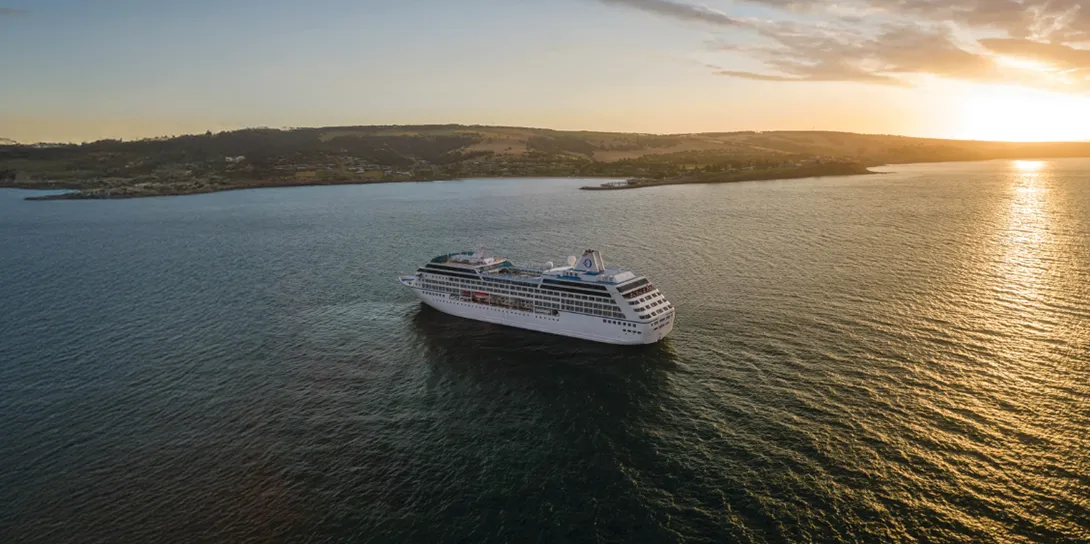
World Cruises Offer Outsized Value to Cruise Lines and Guests
An increasing number of cruise lines have four- to six-month world cruises on their annual calendars. The sailings are so popular they often sell out years in advance.Typically beginning in winter, world cruise itineraries tend to follow the sun to warmer climates. Some circumnavigate the globe; others circle oceans, calling on multiple continents. Guests book the full voyages or choose shorter segments that focus on a specific region.World cruises are a staple in the annual offerings of Cruise Lines International Association (CLIA) cruise line members such as Azamara Cruises, Costa Cruises, Crystal Cruises, Cunard Line, Holland America Line, MSC Cruises, Oceania Cruises, Princess Cruises, Regent Seven Seas Cruises, Seabourn and Silversea Cruises. MSC Group’s Explora Journeys will launch its inaugural world cruise in 2029.With varied itineraries, ship sizes, and levels of luxury, all world cruises are geared to give well-traveled guests an unforgettable tour of the globe.Planning a world cruise is a team effortIt’s no easy feat to plan a 120- to 180-night itinerary that spans continents, visits new ports, includes bespoke special events and entertainment (such as destination-focused parties), excites guests with daytime activities, and needs to be fundamentally different from the previous year’s world cruise.Itinerary planning for Holland America Line’s popular Grand World Voyages starts some three years in advance.Likewise, Silversea’s world cruise itineraries are the result of “a collaborative and strategic planning process” that begins years in advance, says Cailyn Hennessy, Silversea’s Associate Vice President Commercial and Deployment. “Our world cruises are shaped by a cross-functional team that works together to identify emerging travel trends, assess port capabilities, and curate immersive experiences that reflect the spirit of each voyage.”Product development, food and beverage, shore excursions, hotel operations, and entertainment departments – plus partners and businesses in the destinations the ship visits – all get involved in planning.Cruise lines gain too from listening and getting feedback from guests and trade partners, says Jason Montague, Chief Luxury Officer for Oceania Cruises and Regent Seven Seas Cruises. “They’re the most critical thing that helps us get the best world cruise itineraries out there.”World cruises appeal to a wide range of travelersWorld cruises appeal to wealthy luxury travelers, retired brand loyalists with time to explore, and beyond. The one commonalty: curiosity about the world.Many retired teachers sail on the line’s world cruises, says Nathan Hickman, Oceania Cruises’ Chief Commercial Officer. They see value, he says, in a cruise that visits multiple destinations in one trip.Families, solo travelers, and travelers working remotely are growing segments. Some people book world cruises who have never cruised before.Travelers may initially take a world cruise to check many items off their bucket list in one fell swoop, but it’s not uncommon for them to subsequently book a world cruise every year. While many world cruisers are devoted to a particular brand, some cruisers sample different brands and ships for their annual getaways.Hosting a world cruise is hard work but worth itFrom the cruise line perspective, all the specialized planning and logistics involved in world cruises has a bonus benefit: piquing people’s interest and steering them towards a brand.“There’s something very attractive, aspirational about a world cruise,” says Hickman. “We get a lot of people who look at us because of our 180-day around-the-world cruises, but maybe they end up taking a shorter itinerary.”Another positive side effect of planning world cruises is that they allow cruise lines to assess lesser-known ports and test guest reaction, before expanding additional ship visits, notes Hennessey.For repeat guests, world cruises can feel like a big reunion. It’s common for returning passengers to greetthe crew as family, and vice versa.“Guests tend to travel again and again on the world cruise because they know each other, and they’ve now formed this group,” says Hickman.“We create communities and people really bond.” Newcomers are, of course, welcome to the party.© 2026 Cruise Lines International Association (CLIA). All rights reserved.This content may be shared or republished with clear attribution to Cruise Lines International Association (CLIA). Content must remain intact and may not be altered, edited, or excerpted in any way that changes its meaning or context. For additional permissions, media inquiries, or additional information, please email [email protected] 18 May, 2026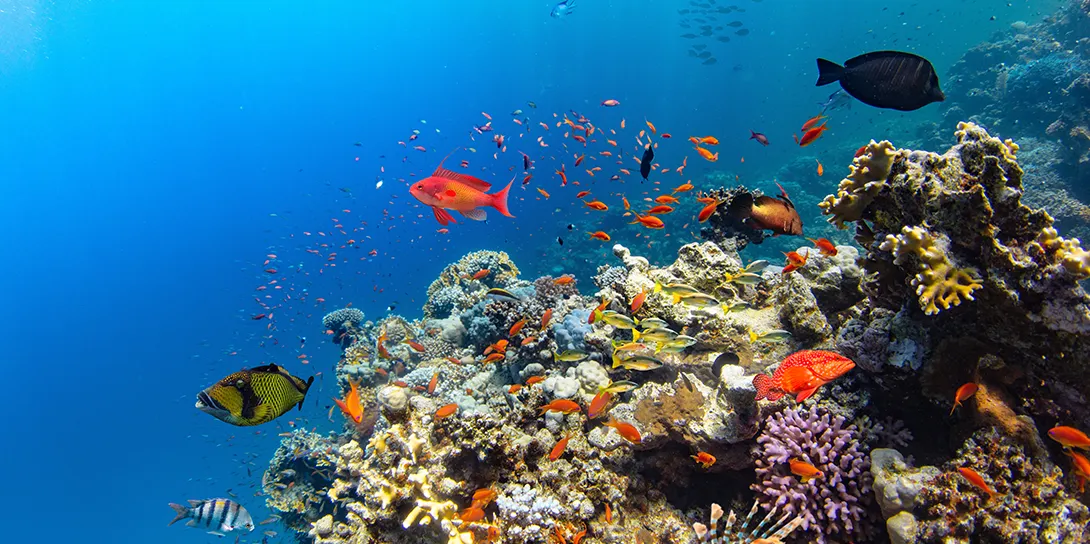
Cruise Lines Focus on Sustaining the Future of Coral Reefs
Cruise Lines International Association (CLIA) members are working on innovative and ambitious ways to sustain and grow coral reefs, key marine habitats that are among the most diverse ecosystems on the planet, and extremely vulnerable to warming ocean temperatures. CLIA places environmental sustainability among its top priorities, including the health of the oceans.CLIA member cruise lines are taking a leading role as an energizing force for change, partnering with marine science organizations and universities in coral reef restoration initiatives. Member lines are also focused on public engagement and helping guests understand the need to preserve and sustain coral reefs.These are among the ambitious cruise line-sponsored projects underway.MSC Cruises is involved in the preservation and growth of coral species through the MSC Foundation’s “Super Coral Reefs Programme,” which is playing an important role in revitalizing coral populations, including the critically endangered elkhorn and staghorn corals. Among projects, MSC is supporting the growth of coral trees. Once they reach a certain level of growth, the coral trees are transplanted into MSC’s offshore nursery of Ocean Cay, MSC’s private Bahamas island, and eventually to coral reefs. Under development is a scalable model that MSC hopes will aid coral reef restoration worldwide. Partners include Bahamian and international scientists, universities, and conservation organizations, with research shared in scientific publications. In 2025, MSC opened a Marine Conservation Centre on Ocean Cay, its private island in the Bahamas. The facility includes 22 coral tanks used for growth and scientific study by marine scientists and students. Cruise guests have the opportunity to visit the center to gain a greater understanding of the importance of healthy coral.Royal Caribbean Group has joined with the Inter Miami CF soccer team and the University of Miami Rosenstiel School of Marine, Atmospheric, and Earth Science to support the school’s citizen science program, Rescue a Reef, in South Florida. The triad focuses on bringing back the growth of marine invertebrates in more than 1,000 coral colonies off Miami. Royal Caribbean Group also underwrites coral restoration work with the Marine Resilience & Sustainability Center (MARES), dedicated to restoring the biodiversity of the Caribbean Sea. The center’s work has included the rehabilitation and repair of nearly 50 acres of delicate marine ecosystems. In addition, Royal Caribbean has placed “reef balls,” also known as “bay balls” – which mimic natural reefs as habitats for marine life – near Perfect Day at CocoCay, the cruise line’s private island in the Bahamas. These balls, weighing some 1,750 pounds, help create a home for coral and sustain its growth.Disney Cruise Line plays a key role in coral reef restoration through the Disney Conservation Fund (DCF), which supports the Coral Reef Foundation, the world’s largest non-profit focused on restoring coral reefs. Disney’s work has blossomed from its initial efforts in planting a few thousand corals in Florida’s Coral Reef to a program that now numbers in the tens of thousands of corals. The cruise company has also helped create a Pillar Coral Recovery Project focused on growing and preserving Pillar corals, a somewhat rare species that the U.S. National Oceanic and Atmospheric Administration (NOAA) Fisheries describes as cigar-like clusters growing upward. In addition, DCF has also supported work in coral genetics, and education efforts including “Coral Reefs and You,” a student education program, which educates on the importance of coral reefs, including on local economies, and stresses the need for conservation efforts.Windstar Cruises is involved in coral reef restoration though a partnership with Coral Gardeners, an organization based in French Polynesia’s Moorea, part of the Windward Islands, about 11 miles northwest of Tahiti. The organization’s goal is to restore reefs through “innovative coral farming and transplantation.” The program began on Windstar’s 312-passenger Star Breeze in 2022, with Windstar adopting 1,000 corals and encouraging guests cruising Tahiti to do the same for a $35 per person donation. Since then, Windstar has encouraged guests on any itinerary to adopt a coral, which they can gift to friends or family. More than 3,500 corals have been adopted. A goal of the line is a dedicated coral nursery. Windstar also takes interested guests in French Polynesia on an excursion to see what Coral Gardeners does. They are introduced to staff who educate them about growing coral and steps taken towards restoring reefs.© 2026 Cruise Lines International Association (CLIA). All rights reserved.This content may be shared or republished with clear attribution to Cruise Lines International Association (CLIA). Content must remain intact and may not be altered, edited, or excerpted in any way that changes its meaning or context. For additional permissions, media inquiries, or additional information, please [email protected]. 18 May, 2026
Sustainable Shore Excursions Are a Win for Cruise Passengers and the Communities They Visit
Sustainable travel has grown from a trend into a way of life. Cruise travelers are among those invested in responsible, sustainable, eco-friendly travel, and shore excursions are a direct way guests can have a positive impact on local communities.“We are seeing a growing trend of travelers desiring sustainable shore excursions and authentic experiences as people are looking to travel with purpose and leave a positive impact on the destinations they visit,” says Linden Coppell, MSC Cruises’ Vice President of Sustainability & ESG.Cruise Lines International Association (CLIA) and several of its member lines partner with global organizations, such as the United Nations World Travel Organization, World Travel & Tourism Council, and the Global Sustainable Tourism Council (GSTC), to develop and promote sustainable tourism initiatives.Member cruise lines are doing their part to create shore excursions that align with the GSTC goals of effective sustainability planning, maximizing social and economic benefits for local communities, enhancing cultural heritage, and reducing negative impacts on the environment.Sustainable shore excursionsA growing number of cruise guests are seeking shore excursions that go deep.“Our guests are increasingly drawn to experiences that foster authentic connections with local communities and craftspeople, including First Nations artisans, oyster cultivators, distillers, and vintners,” says Jessica Ashe, Senior Director of Shore Excursions and Future Cruises forHolland America Line. The line’s new sustainable tour offerings, such as a visit to a banana farm in St. Lucia and a walk with an Aboriginal guide on Kangaroo Island, Australia, revolve around community interactions.Norwegian Cruise Line Holdings (NCLH) brands have tours focused on local conservation efforts, such as Regent Seven Seas Cruises’ Eco-Connect tours and Norwegian Cruise Line’s Go Green tours. Examples include exploring a sloth habitat in Puntarenas, Costa Rica, or planting a tree at the Sierra Espuña regional park in Cartagena, Spain, while learning about reforestation efforts.MSC Cruises’ Protectours shore excursions aim to have lower environmental impact, whether employing zero-emission electric tour buses, focusing on human-powered activities like cycling or kayaking, or involving guests in volunteer efforts, such as beach cleanups or planting trees.Certifications and partnershipsCLIA and its member cruise lines partner with destinations, communities, and with leading organizations in delivering guests sustainable experiences ashore.Royal Caribbean, for instance, has pledged that 60% of its tours will be certified to GSTC’s standards by 2026; as of 2024, 36% of its 3,500+ excursions met the organization’s criteria. Examples: A wild-caught salmon cooking class with a third-generation Alaskan fisherman and a tour of Aruba’s cultural and geological landmarks combined with a visit to a local aloe factory.In Alaska, where sister brands Holland America Line and Princess Cruises own their own lodges and transportation and rail divisions, Holland America Princess is certified by Adventure Green Alaska for its environmental, economic, and cultural sustainability practices, such as using electric and hybrid vehicles and providing guests with recyclable aluminum water bottles. Both lines work with many local companies that are also AGA-certified for shore excursion options, such as the Alaska Wildlife Conservation Center, Kenai Fjords Tours, and Wings Airways.In 2024, French line Ponant became the first cruise line to achieve Green Globe certification for its contributions to sustainable tourism, which include involving local communities in developing shore activities. For example, Balinese guides introduce guests to the island’s unique Hindu-Indonesian traditions and provide opportunity for guests to help with daily activities.Economic benefits for local communitiesOne of CLIA’s guiding principles for responsible tourism is to “contribute to the economic well-being of host communities.” Shore excursions support this effort. In addition to working with local communities on planned, managed tourism, CLIA member lines support local businesses through activities ashore.For example, when Carnival Cruise Line created its new beach destination, Celebration Key, on Grand Bahama Island, the company prioritized economic opportunities for Bahamians. In addition to enjoying water activities, cruisers can purchase art from local craftspeople and sample authentic Bahamian flavors from food trucks, that are operated by local vendors and feature locally sourced ingredients.In line with their personal sustainability goals, cruise passengers can have a meaningful positive impact on the treasured places they visit.© 2026 Cruise Lines International Association (CLIA). All rights reserved.This content may be shared or republished with clear attribution to Cruise Lines International Association (CLIA). Content must remain intact and may not be altered, edited, or excerpted in any way that changes its meaning or context. For additional permissions, media inquiries, or additional information, please email [email protected] 18 May, 2026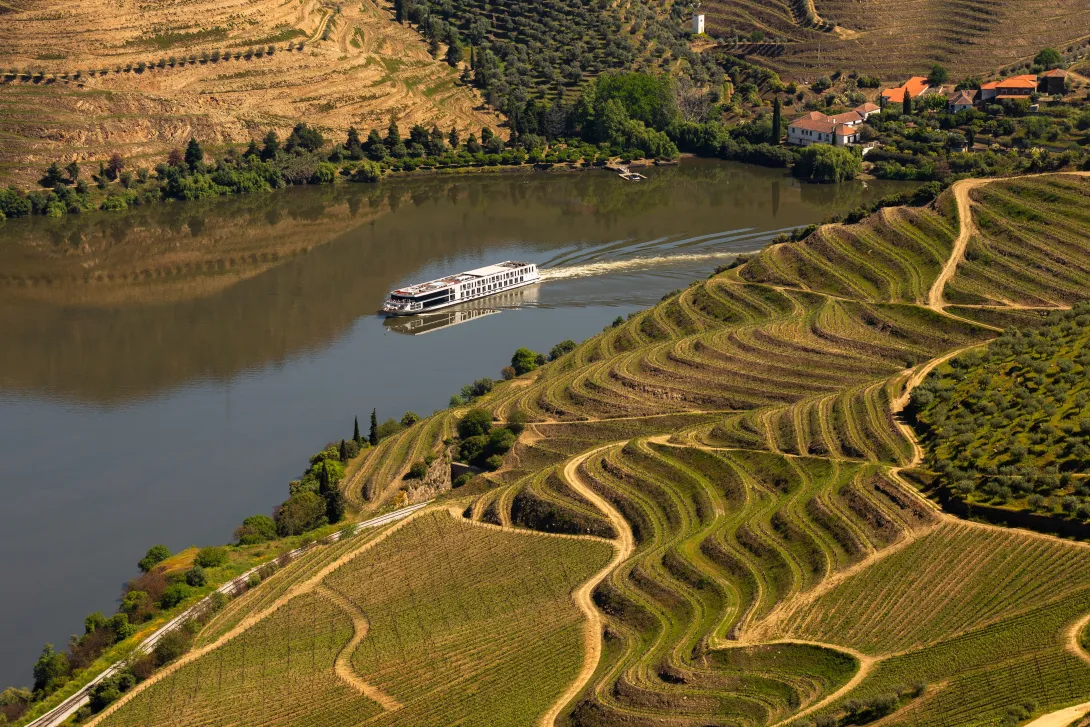
How River Cruises Are Winning Over Curious Travelers
Sometimes the best view when traveling is one that’s ever-changing, new places ahead, and that’s delivered on river cruises. As with ocean cruises, you unpack once and you’re off on a journey navigating storied waterways. From Europe’s Rhine, Danube and Seine to Portugal’s Douro, Egypt’s Nile to Asia’s Mekong, and even along the mighty Mississippi, river cruises are your front row seat to spectacular inland sights.The River Cruise BoomRiver cruising has experienced a surge in popularity in recent years, particularly among travelers seeking a slower, more immersive alternative to traditional land-based tours involving buses, planes, or trains. According toCruise Lines International Association (CLIA), river cruise bookings continue to rise as travelers discover the unique appeal of journeying through the heart of countries on water on small river ships.CLIA member lines AmaWaterways, Avalon Waterways (from tour operator Globus), Scenic Luxury Cruises and Tours and Uniworld sail in Europe and beyond, while American Cruise Lines focuses on U.S. waterways such as the Mississippi and Columbia & Snake rivers in the Pacific Northwest. All deliver itineraries that cater to travelers seeking cultural immersion scenic beauty and pampering hospitality. New in Europe is the recently launched Trafalgar River Cruises from tour operator Trafalgar. Ocean line Celebrity Cruises plans to debut the first ship in its Celebrity River Cruises fleet of innovative river ships in Europe in 2027.Some river cruise guests are new-to-cruise, just discovering the joy of waterborne experiences. Others are ocean cruisers, looking to easily experience inland sights on one trip.The River Cruise Experience: Easy, Intimate, and ImmersiveThink of a river cruise as a floating boutique hotel, offering an intimate experience with fewer guests and attentive service. Most river ships carry fewer than 200 passengers, some fewer than 100, and others fewer than 50. Staterooms are thoughtfully designed, often with views of passing riverbanks from your bed or sitting area. In Europe, head to your ship’s top deck for 360° views as you glide past storybook towns, pass through locks (essentially water elevators), and under majestic bridges. Sail the Nile and you’ll see why it’s often referred to as a floating museum tour. You’ll coast by 5,000+ years of history from grand temples and tombs to vibrant local villages.The vibe onboard river cruises is casual and relaxed, with no formal dress codes. River cruise fares cover meals, enrichment activities, shore excursions, WIFI, and entertainment. Chefs onboard draw inspiration in local flavors and ingredients, and infuse them into every meal, from buttery croissants on the Seine to phở, the traditional Vietnamese noodle soup, on the Mekong.Activities onboard aim to deepen guest connection to the region. Sailings often feature guest lecturers, local artists, and wine tastings from nearby vineyards – select AmaWaterways sailings in Europe feature visiting wine experts who share fascinating insights into the region’s viticulture. Scenic’s Specialty Cruises host distinguished authors, historians, and celebrity chefs.Destinations at the Heart of It AllRiver ships often dock within steps of enchanting villages, exciting cities, and UNESCO World Heritage Sites. You’ll be treated to complimentary shore excursions every day, led by local expert guides. The group sizes on these tours are deliberately kept small, allowing for more time to engage with the guide and making navigation easier. Complimentary headsets are provided, allowing you to hear your guide clearly, even if you stray a few steps behind.Shore experiences are designed to cater to a range of activity levels and interests – with active, leisure, and immersive options. You’re also free to explore on your own. Consult the Wellness Hosts on AmaWaterways for fitness-forward excursions, such as bike tours and guided runs. Avalon Waterways’ Avalon Choice Program offers guests the option of three daily excursion choices at different levels of activity. Experience the magic of a destination after dark with Uniworld’s "Nights Out" experiences, which can range from illuminated city strolls to private evening palace visits on select itineraries.New routes continue to expand the breadth of inland reach, such as CroisiEurope’s itineraries on the Loire River in the Loire Valley, a designated UNESCO World Heritage Site renowned for its historic towns, architecture, and natural beauty. In South America, Ama Waterways recently inaugurated itineraries on the Magdalena River in Colombia. River cruise guests also have access to waterways such as the Chobe in Botswana and Ganges in India.On a river cruise, there’s time to experience destinations. You’re en route on an expertly crafted itinerary that focuses on the best of (and freshest flavors from) the local region. When you aren’t off the ship exploring, enjoy sitting back and watching the world go by.© 2026 Cruise Lines International Association (CLIA). All rights reserved.This content may be shared or republished with clear attribution to Cruise Lines International Association (CLIA). Content must remain intact and may not be altered, edited, or excerpted in any way that changes its meaning or context. For additional permissions, media inquiries, or additional information, please [email protected]. 18 May, 2026