





Winter Cruises in Europe Benefit Travelers, Cruise Lines and Ports
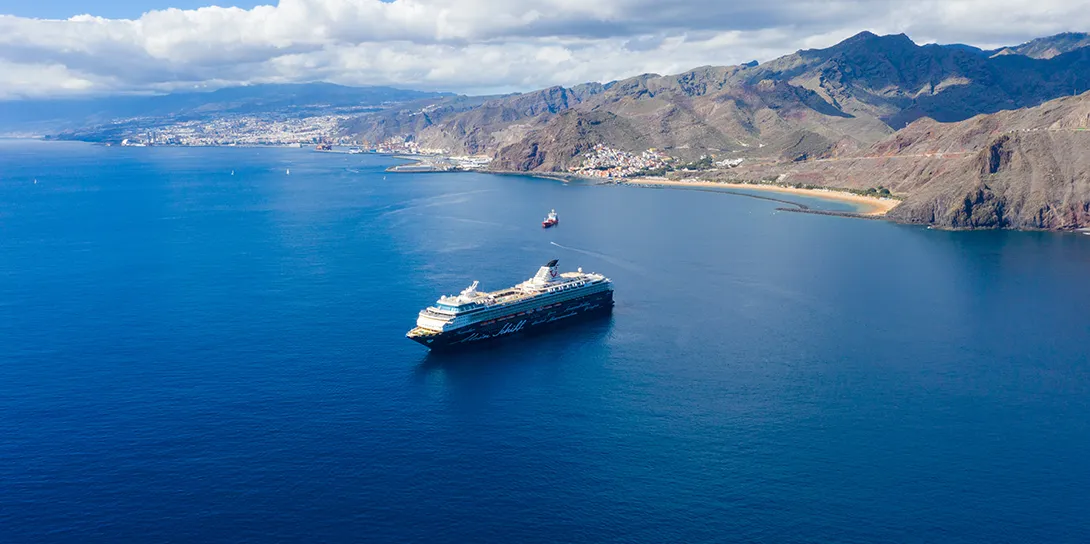
Winter cruises in Europe benefit travelers, cruise lines and ports
Europe used to be a three-season cruise market. Ocean ships would reposition from Europe in late October or November and return in early spring. River ships would sail through December’s Christmas market season then take a break until spring. But change is afoot.
More cruise lines have discovered the multifaceted benefits of keeping ships in Europe year-round, both for their businesses and for their port partners. The move aligns with traveler trends around avoiding summer crowds and seeking out more authentic travel experiences.
Here’s how Cruise Lines International Association (CLIA) member lines are expanding shoulder-season offerings in Europe.
Winter cruises in Europe are on the rise due to guest demand
A few European cruise lines, such as Costa Cruises and MSC Cruises, have long offered winter cruises in the Mediterranean. Other cruise lines have recently added itineraries too – inspired by inquiries from their guests.
“Over the past few years, we’ve seen growing interest in quieter, more immersive travel experiences, especially in destinations that are traditionally busy during peak seasons,” says Janet Bava, Windstar Cruises’ Chief Commercial Officer. To that end, the line trialed its first Mediterranean winter cruises in 2023.
On the inaugural sailing, "every single travel advisor and guest on board told me, ‘This is genius’,” said Bava. Windstar continues winter-in-Europe cruises with itineraries exploring Southern Spain, the French and Italian Riveiras, and the Dalmatian Coast. All are on the new Star Explorer.
Celebrity Cruises also dipped its toes into cooler cruise waters beginning in 2023, positioning Celebrity Infinity in Europe year-round. The ship continues to offer cruises in winter, with Canary Islands, Spain and Morocco sailings from Barcelona, before heading to Italy and Greece in March.
Holland America Line is introducing late fall/winter cruising in Europe in the 2027-2028 season - including a dozen sailings on the Nieuw Startendam in Northern Europe and the Mediterranean.
River cruise lines, such as AmaWaterways, are extending their cruise seasons as well. AmaWaterways has February 2027 departures on the Danube aboard the AmaLea and AmaMora", says Catherine Powell, AmaWaterways' CEP. The AmaMora cruise is a themed Celebratio nof Wine sailing, hosted by a winemaker and including tastings and vineyard visits.
Winter cruises appeal to travelers seeking authentic experiences
Travelers today want cultural authenticity and a respite from summer crowds in popular Europe cities. Winter cruises offer just that.
“More guests are realizing that cruising outside the traditional popular months comes with wonderful advantages: Cooler temperatures, fewer crowds, and a more authentic, relaxed atmosphere,” says Powell. “Our February and early March sailings have been well received.”
She adds, “It’s a chance to connect with local people, enjoy seasonal traditions, and see destinations before spring really blooms.”
For cost-conscious travelers, off-season sailings can be lighter on guests’ wallets. Pre- and post-cruise flights and accommodations may cost less than during summer’s peak travel times.
The value isn’t just financial. Cruisers who have sailed Mediterranean cruises before can return in winter to experience the destination in a new way.
“Sailing Europe in the winter and shoulder seasons gives our guests a completely different perspective. Cities like Venice or Dubrovnik feel more intimate, more local, and more accessible,” says Windstar’s Bava. “These sailings often attract seasoned travelers who’ve seen the ‘greatest hits’ and are now looking to dig deeper.”
Winter cruises support sustainability goals
Vacationers are not the only parties who benefit from increased off-season sailings. Winter cruises are beneficial for cruise lines and their port partners as well.
For the cruise lines, deploying a ship to Europe year-round is a smart investment. “Sailing in the off-season maximizes asset utilization,” says Bava. “By avoiding long transits like ocean crossings, we’re able to increase the number of port calls and spend more time in destination-rich regions.” It also allows the lines to reduce fuel consumption.
Extending the Mediterranean cruise season also supports local port economies during tourism’s slow season.
“Our port partners have been very supportive,” says Powell. “They like the idea of taking the pressure off the busy summer and fall months while continuing to bring meaningful benefits to local communities throughout the year.”
“Restaurants, museums, and markets in the Mediterranean are still very much alive in the off-season,” says Bava. “Our presence helps sustain that activity.”
© 2026 Cruise Lines International Association (CLIA). All rights reserved.
This content may be shared or republished with clear attribution to Cruise Lines International Association (CLIA). Content must remain intact and may not be altered, edited, or excerpted in any way that changes its meaning or context. For additional permissions, media inquiries, or additional information, please email [email protected]
Download This Article
For more information about CLIA's sharable content, visit CLIA's Industry Article Hub