








AI Is Making Your Cruise More Personalized and Sustainable
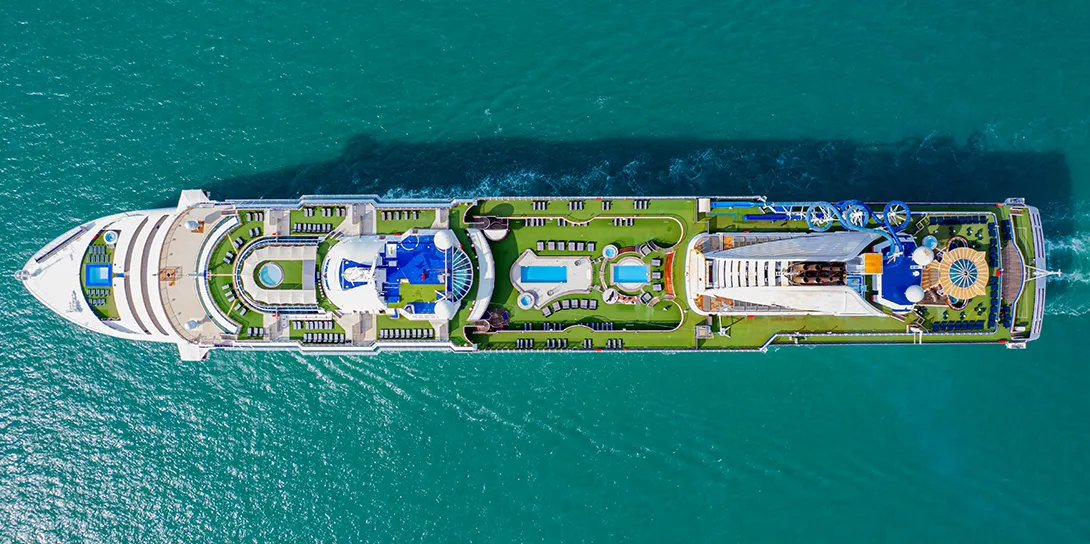
It may sound futuristic, but Artificial Intelligence (AI) is already changing the way we cruise, for the better. On today’s cruise ships, AI is enhancing guest and crew experiences, playing a role in reducing food waste, and improving operational efficiency.
As cruise line members of Cruise Lines International Association (CLIA) follow a path to decarbonization with advancements in technology, infrastructure, and operations, AI will be a factor, providing officers and engineers with advanced tools for more efficient operations.
And as digitalization progresses, cruise lines will have more data, which will allow for further customization of the guest experience.
Here's how AI is improving the cruise landscape.
AI starts at the terminal
A decade ago, cruise guests had to print out boarding passes to embark their ship. Now, digital AI technology allows cruise lines, and cruise guests, to go paperless, reducing waste.
AI-driven facial recognition technology is becoming more commonplace at cruise terminals around the world and is improving the passenger experience. Rather than standing in lines for customs and immigration at the end of their voyage, most passengers are now able to pass seamlessly from ship-to-shore, thanks to technology that matches each passengers’ face to their given identification.
The same is true for enhancements to the booking process: Generative AI tools are now being used by approximately 56 percent of cruisers in the U.S. and Canada, according to a study done by international management and consulting firm Oliver Wyman.
Princess Cruises, Royal Caribbean, and MSC Cruises have all been early adopters of technology that can not only offer guests what they want, but utilizing AI, can predict the things that are most important to each passenger.
AI assisting in sustainable operations
Cruise executives admit AI isn’t there yet when it comes to handling complex service tasks – nor do they want it to be. The human element of service remains crucial to the onboard cruise experience. But where AI can really shine is behind the scenes.
"For most of the cruise world, especially smaller lines, generative AI is not a massive part of the cruise experience," said Gregory Ross-Munro, CEO at digital product development firm Sourcetoad, during a panel at the annual Seatrade Cruise Global conference in Miami in 2025. "I think that is going to change very quickly, though."
As CLIA member cruise lines pursue net-zero emissions by 2050, AI can help optimize and manage fuel consumption, which decreases emissions as well as operational costs. It can also assist in anticipating maintenance needs, allowing ships to continue to run at optimal efficiency and in accordance with environmental rules and regulations.
In addition, AI can help more accurately predict (and minimize) food waste right down to predicting which dishes and drinks will be most popular, leading to more efficient provisioning. Crew have been doing this manually, by hand or through laborious data entry for years, but AI can do these calculations on the fly – which frees up crew to focus on other aspects of the ship, and guests.
AI is also playing a role in crew training and security, with AI-simulated safety drills for a range of scenarios.
Human touch required
One area that AI won’t be found on your next cruise: The crew.
Though AI may assist crew in their day-to-day duties, AI cannot replace the kind of service and technical know-how that deck, engine, and hotel officers can provide. AI can, for instance, tell the officer of the watch if there is oncoming weather, but cannot bring a vessel safely into port – which requires human expertise. And though AI may be able to aid your bar, dining, and cabin staff, it cannot replicate their duties – or friendly personalities.
Instead, AI looks to improve the cruise experience, making ships run more efficiently than ever before.
© 2026 Cruise Lines International Association (CLIA). All rights reserved.
This content may be shared or republished with clear attribution to Cruise Lines International Association (CLIA). Content must remain intact and may not be altered, edited, or excerpted in any way that changes its meaning or context. For additional permissions, media inquiries, or additional information, please email [email protected].
Download This Article
For more information about CLIA's sharable content, visit CLIA's Industry Article Hub
Relevant News

CLIA’s 2026 Hall of Fame Cruise Industry Awards Honor Influential Advisors and Cruise Line Leaders
The Hall of Fame Cruise Industry Awards from Cruise Lines International Association (CLIA) are known to make powerful CEOs tear up, and humble successful travel agency leaders.Each year, CLIA recognizes four outstanding individuals or organizations who have made an outsized contribution to the cruise industry. Awardees are chosen from among the North American travel trade community (including agency owners, executives, and advisors) as well as trade-facing sales and marketing leaders at CLIA member cruise lines.The 2026 Hall of Fame inductees have had a positive impact on the cruise industry and on their colleagues throughout their decades in travel sales.Two Decades of CLIA’s Hall of Fame Cruise Industry AwardsCLIA inducted its first class into the Hall of Fame in 2005. The awards can recognize any member of CLIA’s travel trade community, at any stage in their career. Inductees are honored at a gala event during Cruise360, CLIA’s biggest professional development and networking event of the year, where they receive CLIA’s Spirit of Ascension statuette. (Fun fact: It’s the same height and weight as an Oscar.)The selection process for this meritorious honor is a year-round endeavor. Recommendations come from CLIA’s North American travel trade membership, with more than 59,600 members. CLIA’s in-house trade relations team compiles a short list and discusses candidates with select members of the CLIA Trade Relations Committee. This strategic advisory committee, composed of cruise line senior vice presidents and C-suite executives from prominent travel agencies, provides perspective and helps shape each year's Hall of Fame class. Authority for final selection remains with CLIA.“Because we have such strong relationships and engagement with our community, we’re very in tune with who ought to receive the honor,” says CLIA Vice President of Industry & Trade Relations Charles Sylvia, ECC.2026 Hall of Fame InducteesThis year’s class of Hall of Famers earned their recognition through decades of supporting the growth and success of the travel trade community.Elite Cruise Counsellor (ECC) of the Year:Wendy Franz, ECC, Trevello Travel GroupFranz is a former nurse who opened a home-based travel agency in 1997 and joined host agency Trevello Travel Group in 2008. She stood out because of her unwavering support of her fellow travel advisors.“Wendy Franz has constantly given of herself to everyone in her professional life,” says Sylvia. “Since she became a travel advisor, she has given back to her fellow travel advisors in terms of mentorship and support.” Wendy gave up her own time, sometimes putting aside her own business priorities, to nurture others in the industry, Sylvia adds.Travel Agency of the Year:Nexion Travel GroupNexion Travel Group has a history of promoting advisor education and bringing the best people into the travel business. The agency encourages its members to be active in travel industry advocacy, and its leaders set the example. President Jackie Friedman recently served as chair of the American Society of Travel Advisors (ASTA) and is currently a member of the CLIA Trade Relations Committee.Nexion as a company is a huge supporter of Family Bonds, a foundation designed to financially support people within the travel space experiencing adversity, such as an illness or the loss of a home.“While Nexion is a company that looks to make a profit, it is also one of the best citizens within the travel industry and seeks to make a positive difference in people’s lives,” says Sylvia.Lifetime Achievement Award (Trade):Rick Mazza, president and CEO, Travelsavers/NestMazza is best known as the father of the modern consortium model, uniting independent travel advisors to better negotiate with providers and share marketing and training resources. He launched Travelsavers in 1970, an agency network with an enhanced focus on marketing, and grew that business from 55 agencies to more than 3,000.Mazza has since founded other consortium businesses, including The Affluent Traveler Collection, a marketing group for luxury advisors, and Nest, a network for home-based agencies, which serve to provide members with marketing tools, technology assistance, strategic partnerships, and professional training. He was also an early supporter and partner of the cruise industry.Lifetime Achievement Award (Cruise Line):Dondra Ritzenthaler, ECC, CEO of Azamara CruisesRitzenthaler has been an inspiration to many over her 40-plus years in the travel industry, including in her current role and formerly as sales and marketing executive at Celebrity Cruises and American Airlines. She earned this award for her leadership mindset that prioritizes relationships and teamwork, and for always being a strong advocate for travel advisors. Colleagues describe her as a mentor, motivator, and friend.Previous Hall of Fame inductee Vicki Freed, senior vice president of sales and trade support & service at Royal Caribbean, said at the awards gala that Ritzenthaler “brings laughter into hard work, friendship into business, and heart into absolutely everything she does.”What makes the CLIA Hall of Fame honor so special is the impact it has on its recipients.“These folks are such consequential, powerful people—leaders we all look up to—but when they finally find out that their industry is recognizing them, it becomes a very human and personal moment,” says Sylvia. “That has been one of the most satisfying aspects of this program.”© 2026 Cruise Lines International Association (CLIA). All rights reserved.This content may be shared or republished with clear attribution to Cruise Lines International Association (CLIA). Content must remain intact and may not be altered, edited, or excerpted in any way that changes its meaning or context. For additional permissions, media inquiries, or additional information, please [email protected]. 18 May, 2026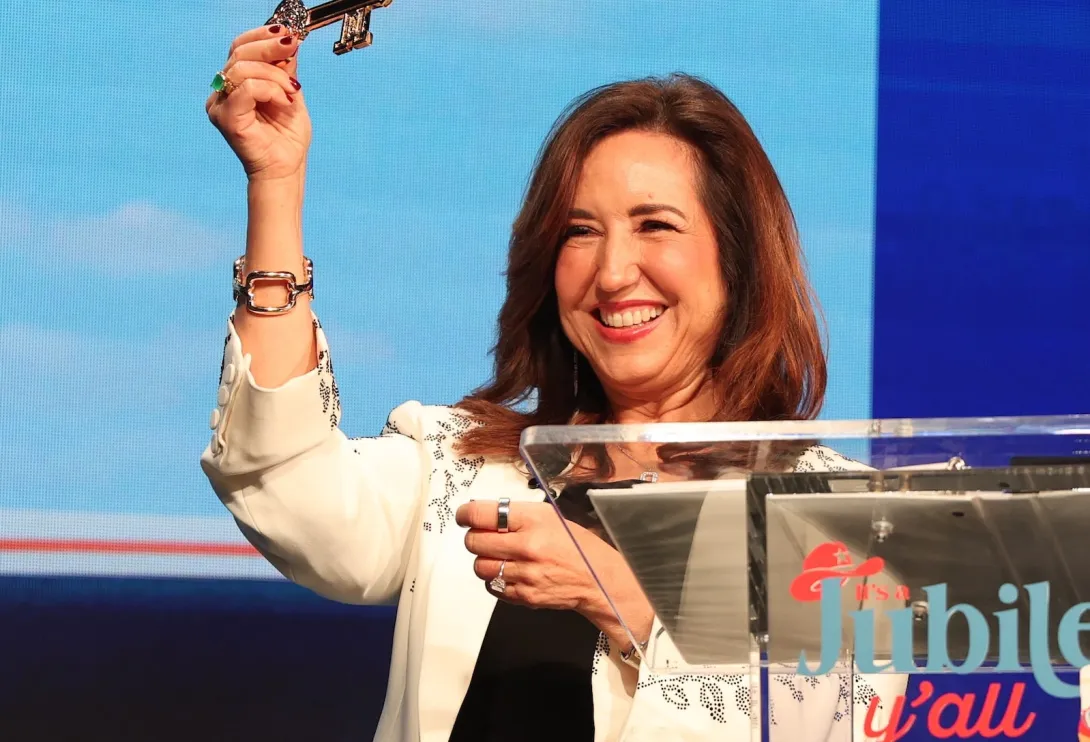
Women Presidents Are Changing the Cruise Industry for the Better
Who runs the cruise world? Increasingly, it’s women in leadership positions throughout the industry.“The cruise industry provides the most advanced opportunities for women in maritime,” reports Cruise Lines International Association (CLIA). CLIA data shows 50% of women in the cruise sector hold mid-level positions or higher positions and that women hold 40% of cruise line senior leadership positions. Female presidents and CEOs lead some 20 cruise lines including 11 CLIA-member ocean cruise lines and six river cruise lines.Female representation in the industry is on the rise, from the navigation bridge to the boardroom, and both cruise lines and their guests are benefiting from this sea change in the historically male-dominated maritime world.We talked with several women cruise line presidents to learn about their journeys to leadership and the growing opportunities for women in cruise.No path to leadership is the sameMost of today’s female cruise line presidents did not begin their careers in the cruise industry, though many started out in the travel and hospitality world.Dondra Ritzenthaler, CEO of Azamara Cruises, began her career at American Airlines before transitioning into the cruise industry. Katie McAlister, president of Cunard, worked for TUI Group, one of the world’s leading travel businesses; and Anna Nash, president of Explora Journeys, initially worked for land-based luxury lifestyle brands such as Aman and Belmond. Christine Duffy, president of Carnival Cruise Line, started out as a travel agent.Other female presidents found their way to cruise from other career paths. Lynn Torrent, president of MSC Cruises’ North America division, was first an accountant, and Laura Hodges Bethge, president of Celebrity Cruises, started her career in education.Beth Bodensteiner, president of Holland America Line, started as a temp at Holland America Line quickly rose through the ranks, holding a range of leadership roles.One thing most of these women have in common – they credit their families, most often their mothers, for inspiring them to succeed.Female leaders raise up the industryHaving diverse leadership styles and viewpoints strengthens the cruise industry and women presidents bring many assets to the table that impact both their company’s success and their guests’ enjoyment of their cruise vacation.“With women driving most of consumer vacation planning and booking decisions, it’s essential that their voices are represented at the leadership table,” says MSC’s Torrent. “When women help shape strategy, product design, and guest experience, we’re better positioned to deliver cruises that truly reflect the needs and preferences of our guests.”Women leaders have brought significant changes to their brands. “Many of the innovations that elevate the guest experience have been shaped by women across our organization,” says Cunard’s McAlister.“Women bring a leadership style that naturally aligns with what makes cruising special – empathy, intuition, collaboration, and a deep focus on people,” says Azamara’s Ritzenthaler says. “Women leaders often excel at seeing the full picture – how onboard operations, shoreside teams, and the guest journey all intersect. And they lead with the kind of emotional intelligence that creates stronger teams and more loyal guests.”Cruise lines support future female leadersCruise companies are expanding programs to grow the ranks of female leaders and support and encourage women working both on land and at sea. This includes inviting hospitality and maritime students to come on board ships to learn about career opportunities.Every year, more women climb the ranks of officers, with several cruise lines boasting female captains – such as Captain Inger Thorhauge, Cunard’s first female captain, and Explora Journeys’ Captain Serena Melani.“We see female captains, chief engineers, and hotel directors commanding ships with strength and confidence,” says Azamara’s Ritzenthaler. “Their presence is changing perceptions – not just for guests, but for future generations of women who may have never imagined a career at sea.”Carnival Corporation, with nine cruise brands, created an award-winning online platform, the Women Officers Network (WON), as a way for female officers to“connect, share knowledge, and support each other in an environment that is frankly still predominately men,” says Holland America’s Bodensteiner.“We intentionally mentor and elevate women at every level – through leadership training and hands-on development opportunities,” says Explora Journeys’ Nash. “By creating space for diverse voices and giving them the freedom to shape strategy, we become stronger, more thoughtful, and more human as an organization.”The sky’s the limitWomen cruise line presidents encourage other women in the industry to also think big.“Don’t limit yourself to the roles you think you’re supposed to pursue,” advises MSC’s Torrent. “Some of the most meaningful opportunities come when you step outside your comfort zone.”With more women embracing leadership in the cruise industry, everyone benefits. “Every time a woman steps into leadership in this industry, she widens the path for others,” says Explora Journey’s Nash. “That alone makes it worth the climb.”© 2026 Cruise Lines International Association (CLIA). All rights reserved.This content may be shared or republished with clear attribution to Cruise Lines International Association (CLIA). Content must remain intact and may not be altered, edited, or excerpted in any way that changes its meaning or context. For additional permissions, media inquiries, or additional information, please [email protected]. 18 May, 2026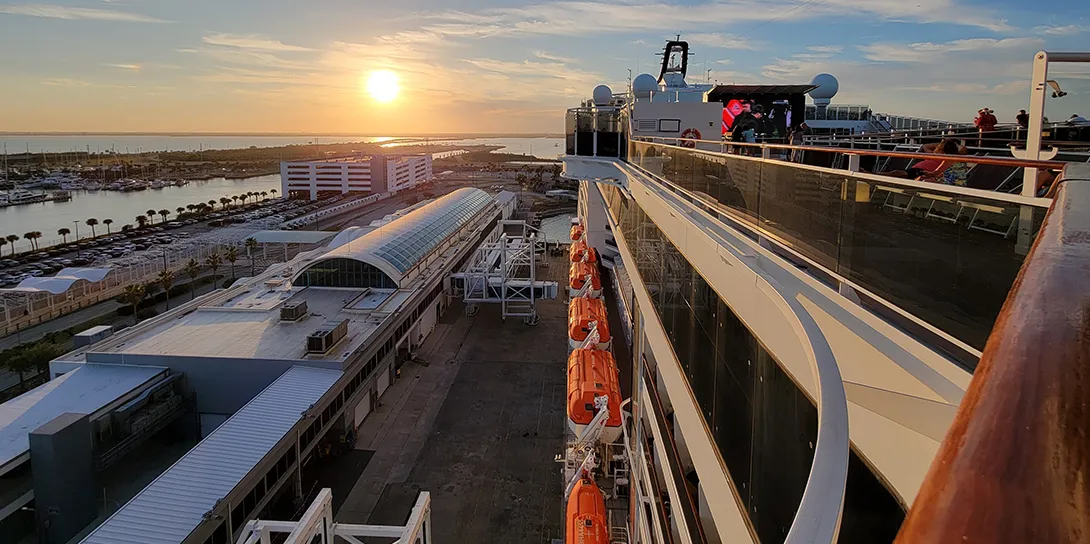
Port Canaveral Leads in LNG Cruise Ships, Supports Florida Jobs
With its year-round operations, Port Canaveral is the preeminent cruise port in North America for cruise ships powered by cleaner-burning liquified natural gas (LNG) and the second busiest cruise port in the world. Some 9 million cruise guests are expected to sail from Port Canaveral next year, and the port anticipates exceeding 10 million passengers by fiscal year 2027.The popular port’s ability to attract the world’s newest and largest cruise ships was built on prescient investments in LNG fueling readiness. LNG is the cleanest-burning fossil fuel readily available. As the cruise industry pursues net-zero cruising by 2050, LNG-powered ships will be able to easily switch to future sustainable fuels, such as bio or synthetic LNG.For cruise guests, Port Canaveral is an easily accessible destination. About 85% of passengers drive to the port for their cruise vacations. These drive-in market guests, and guests who fly in too, visit local beaches, restaurants, and attractions and stay at local hotels.In addition to cruise and cargo operations, Port Canaveral has recreation options, including its own Jetty Park beach – a popular spot to watch space launches or passing cruise ships. The port has commercial fishing and local seafood outlets, aerospace and military operations, restaurants and retail shops, public boat ramps, marinas, and more.Among the 20 homeported cruise ships in Port Canaveral are some of the newest and largest LNG-powered ships from Carnival Cruise Line, Royal Caribbean, and Disney Cruise Line. Royal Caribbean launched the world’s largest cruise ship, the 250,000-ton Star of the Seas, from Port Canaveral in August 2025.LNG LeaderPort Canaveral was the first North America homeport to accommodate cruise ships powered by LNG. Capt. John W. Murray, CEO and Port Director of Port Canaveral, who joined the port in 2016 from the commercial ocean carrier side of the maritime industry, was studying cruise industry trends and observed that several new cruise ships under construction would be powered by LNG, a first for the industry. Murray saw LNG as a way for the port to distinguish itself and attract the cruise industry’s largest and most innovative ships.“I started asking questions,” Murray says. “I knew if we figured out the ‘how’ in terms of LNG fueling of passenger vessels, those new ships might come to Port Canaveral. It took more than five years and considerable effort to develop bunkering best practices and protocols and specialized safety and firefighting capabilities to get to a point where it worked.”The LNG bunkering practice developed by Port Canaveral has become the prototype for ports around the world. The first LNG-powered cruise ship arrived at the port in 2021, Carnival Cruise Line’s Mardi Gras – which debuted as the first ship in North America to run on LNG. The ship operates from Cruise Terminal 3, built to accommodate Carnival Excel-class ships.Five LNG-powered ships are now homeported in Port Canaveral – Disney Wish and Disney Treasure, Mardi Gras, and Royal Caribbean’s Utopia of the Seas and Star of the Seas. Coming in 2027 are MSC World Atlantic and Carnival’s Festivale, bringing the number to seven – as Port Canaveral continues as an LNG leader.In addition to these lines, homeporting ships in Port Canaveral are Norwegian Cruise Line, Princess Cruises, and Celebrity Cruises. Ships also visit as a port of call or to provision. Passengers book shore excursions such as a tour to see the NASA Kennedy Space Center.Port Canaveral Benefits FloridaThe thriving port is a significant economic driver for Central Florida and the entire state, accounting for $6.1 billion in statewide economic impact and nearly 43,000 jobs. The port and its business segments deliver some $2.1 billion in wages and $189.5 million in state and local taxes.“We’re providing jobs in the State of Florida and Florida-based businesses benefit from port operations,” says Captain Murray. “When you have a ship with thousands of people onboard, they are getting all of their food supplies, laundry and everything else for a whole week delivered, and all of that is provided from local vendors and suppliers.”As cruise grows, so do local businesses. “The cruise industry is a vital and fast-growing part of Central Florida’s economy, and we’ve been growing every step of the way,” says Janne Meinertz, president of Cape Canaveral, Fla.-based American Cruise-Aid Logistics.Eric Garvey, CMO of a local hospitality group, says, “Cruising from Port Canaveral is not just holding steady—it’s thriving. Transportation services, hospitality partners, and local businesses are all feeling the positive impact of this growth.”© 2026 Cruise Lines International Association (CLIA). All rights reserved.This content may be shared or republished with clear attribution to Cruise Lines International Association (CLIA). Content must remain intact and may not be altered, edited, or excerpted in any way that changes its meaning or context. For additional permissions, media inquiries, or additional information, please email [email protected] 18 May, 2026
How Cruise Lines Are Redefining Entertainment at Sea
A new era of entertainment is under way at sea, as cruise lines redefine how performers engage with and enthrall audiences. The new standard is onboard entertainment that pulls audiences in, not just playing out in front of them.Infusing cutting-edge technology and immersive storytelling, cruise entertainment experiences onboard Cruise Lines International Association (CLIA) member ships are not just gaining fans, they are driving bookings.From revue to revolutionToday’s cruise guests respond to innovation, says Joe Chantry, Vice President of Entertainment and Enrichment at Holland America Line. "Over the past decade, onboard entertainment has evolved from being a complement to the cruise experience to becoming a defining part of it.”Holland America's “Fosse and Verdon, The Duet That Changed Broadway,” which debuted on the 2,650-passenger Koningsdam in late 2025, illustrates the new standard. Working directly with the Verdon Fosse Legacy estate, the line surfaced never-before-seen archival footage of the famous choreographer and dancer duo behind such Broadway hits as “Chicago” and “Sweet Charity.” The footage is woven into live performances in World Stage theater equipped with a 270-degree panoramic LED wall, "immersing guests into the show's experience in a really cool way," says Chantry.Noticing that guests are craving entertainment that reflects the regions they are cruising, Celebrity Cruises’ entertainment team created The Bazaar, a new immersive, destination-inspired marketplace that features street-style festivals, with guests invited to join in. The Bazaar debuted onboard the 3,260-passenger Celebrity Xcel in the Caribbean. With cruise lines finding that guest participation equals high guest satisfaction, Celebrity also created for the ship “HOTEL,” a narrative-driven, interactive game show, which Lisa Lehr, Vice President of Entertainment at Celebrity Cruises, says is a “comedic whodunit where guests aren’t just watching – they are actively part of solving the mystery from check-in to check-out."John Paul Lamb, Princess Cruises’ Vice President of Entertainment, echoes the shift toward guest engagement. He says Princess Cruises is undergoing "a major shift toward interactive formats...moving entertainment beyond passive viewing and into active participation." As an example, Princess Cruises worked with the legendary Magic Castle in Los Angeles to create “Spellbound,” a new multi-room immersive magic experience found on the 4,300-passenger Sun Princess and sister ship Star Princess.MSC knows that sometimes the most delightful moments come from the unexpected, which is how MSC Street Theatre came to be. These European-style pop-up performances appear in public spaces on MSC ships throughout the day, captivating guests.Popular programmingCruise passengers also respond to cruise programming featuring familiar names. As a new example, Royal Caribbean International will welcome one of the world’s biggest entertainment franchises onto a cruise ship for the first time with a new live version of the TV show “America's Got Talent,” debuting aboard the upcoming, 5,600-passenger Legend of the Seas.Norwegian Cruise Line is leaning into some of the world’s famous recording artists with concert-style shows, such as “ELTON: A Celebration of Elton John,” which debuted on the 3,550-passenger Norwegian Luna in March 2026 and shows paying tribute to the musicians Prince and Fleetwood Mac, both of which debuted on sister ship Norwegian Aqua last year.“Hercules” is the star of the Broadway-style stage show on the 4,000-passenger Disney Destiny, which also features entertaining character encounters such as villainous Cruella de Vil (from “101 Dalmatians”) presiding over a guest-judged fashion show; and Dr. Facilier (from “Princess and the Frog”), performing close-up magic in a pop-up parlor.Behind the scenesCruise companies operate some of the largest dedicated entertainment rehearsal facilities in the world. These include the 132,500-square-foot Royal Caribbean Group Entertainment Studio in North Miami; Carnival Cruise Line’s Carnival Studios, seven dance rehearsal studios and a full theater, near Fort Lauderdale; and MSC Creative Studios, a new entertainment hub for creative development and performer training, which is opening in Edinburgh in summer 2026.“Our performers train together for months at our world-class entertainment studio before ever setting foot on the ship,” says Celebrity Cruises’ Lehr. “This creates a synergy with our cast that guests can really feel from the moment they take the stage.”Cruise lines recruit performers from around the globe, the onboard gigs desirable to performers. The salaries are competitive and attractive, as is a steady contract with minimal living expenses. Then there is the opportunity to work with leading creators that cruise lines partner with."When you're developing productions alongside BAFTA-winning designers, World Choreography Award winners, and industry-leading directors, the talent we recruit gets to work at a level that rivals the best stages in the world,” Lehr says.Princess Cruises’ Lamb says in recruitment the line stresses it is "a platform for innovation, offering artists the opportunity to create large-scale, immersive work in cutting-edge environments.”Cruise guests are the beneficiaries as CLIA members put innovations in entertainment center stage.© 2026 Cruise Lines International Association (CLIA). All rights reserved.This content may be shared or republished with clear attribution to Cruise Lines International Association (CLIA). Content must remain intact and may not be altered, edited, or excerpted in any way that changes its meaning or context. For additional permissions, media inquiries, or additional information, please email [email protected]. 07 April, 2026
CLIA confirms return of 'Cruise Champion' training programmes
Cruise Lines International Association (CLIA) UK & Ireland has announced details of its 'Cruise Champion' training programmes for frontline travel agents. Two separate hybrid learning courses have been launched: one with a focus on river cruise and the other on expedition cruise.Almost 80 agents will join the six-month learning programmes, culminating in a graduation ceremony in June 2026.The programmes, which returns for their second year, are aimed at agents who are new or have limited experience of the sectors. They will include a mix of virtual activity including product training webinars, panel discussions and virtual workshops, supported by self-study, monthly knowledge reviews and an end of programme final assessment.Content will cover destination and product training, as well as sales techniques. CLIA has created the programme alongside its river cruise and expedition cruise line operators.The programmes starts in November via an in-person launch day.Andy Harmer, CLIA managing director UK & Ireland, said: “We’re thrilled to bring back our 'Cruise Champion' programmes, which give agents the chance to build real expertise in two of the fastest-growing sectors of cruising. We had such positive feedback from the first cohort of agent graduates we're confident we will equip frontline sellers with the confidence and knowledge to inspire customers and grow their business.” 22 October, 2025
Registration opens for CLIA Conference 2026
Cruise Lines International Association (CLIA) UK & Ireland has opened registration for next year's CLIA Conference, which will take place from June 4-6 in Southampton.The event - the largest annual travel agent conference of its kind in Europe, and the 18th to be held - will bring together the cruise industry for ship visits, conference sessions, a trade fair and a celebratory sailaway evening party.An optional ‘New to Selling Cruise Day’ will take place on June 3, offering dedicated training and brand introductions for agents who are keen to expand their cruise knowledge and boost sales.The first full day of the main conference will include business sessions at the O2 Guildhall, followed by an evening trade fair.On day two, delegates can choose to visit Cunard’s Queen Anne or P&O Cruises’ Britannia, with an evening sailaway party at the O2 Guildhall.The final day will feature ship visits to Celebrity Apex, MSC Virtuosa, Oceania Cruises' Oceania Insignia or Regent Seven Seas Cruises’ Seven Seas Grandeur.Andy Harmer, CLIA UK & Ireland managing director, said: "CLIA Conference brings the cruise community together in a way no other event does - and 2026 will be no exception. From exploring extraordinary ships to hearing from inspiring speakers, agents will come away with new ideas, stronger connections and the sales insight to grow their business."It’s also our opportunity to recognise and celebrate the trade’s ongoing role in shaping the incredible success story that cruise has become."Agents can register at www.cruising.orgDetails of the conference theme and keynote speakers will be announced in due course. 20 October, 2025
CLIA unveils 2026 conference dates and schedule
Cruise Lines International Association (CLIA) UK & Ireland has announced its 2026 conference will be held from June 4-6 in Southampton.The conference, the largest annual travel agent event of its kind in Europe and the 18th to take place, will include ship visits, conference sessions, a trade fair and a celebratory sailaway evening party. An optional 'New to Selling Cruise Day' will take place on June 3 - which will combine sales training and brand introductions from suppliers - for agents who are looking to build their cruise knowledge and bookings.The first full day of the event will comprise conference sessions and an industry trade fair in the evening. The conference sessions will take place at the O2 Guildhall, with trade fair details to be confirmed.On day two, attendees will have the option to visit Cunard's Queen Anne or P&O Cruises' Britannia. The sailaway party will follow that evening at the O2 Guildhall.Delegates will then have the choice to visit Celebrity Apex, MSC Virtuosa or Regent Seven Seas Cruises' Seven Seas Grandeur on the final day.Andy Harmer, CLIA UK & Ireland Executive Director, said: "CLIA Conference is always a highlight in the travel trade calendar and 2026 will be no exception. With a line-up of stunning ships to visit, training opportunities and inspirational speakers, we’ll be giving agents the insight and tools they need to grow their cruise sales."The conference is also the ideal opportunity to celebrate the vital role the trade plays in bringing a holiday at sea to life, and to connect with colleagues and partners from across the industry."Registration opens shortly. Details of the theme and keynote speakers will be announced in due course. 19 September, 2025
CLIA Strengthens Leadership Team with Two Key Appointments in Brussels
CLIA Strengthens Leadership Team with Two Key Appointments in BrusselsNiels Wammen-Jensen to join CLIA as Executive Vice President, International Regions;Nikos Mertzanidis promoted to Executive Director for CLIA in EuropeWashington, D.C. and Brussels – 14 July 2025 – Cruise Lines International Association (CLIA), the leading voice of the global cruise industry, today announced two senior leadership appointments. Niels Wammen-Jensen has been appointed Executive Vice President, International Regions, a newly created role based in Brussels; and Nikos Mertzanidis has been promoted to Executive Director for CLIA in Europe, also based in Brussels.Niels Wammen-Jensen, who currently serves as Group Vice President, Government Affairs for Europe at MSC Group and leads engagement with European Union institutions on shipping and transport policy, will officially join CLIA on 21 August 2025. He will be based in Brussels and report directly to CLIA President and CEO Charles (Bud) Darr. Wammen-Jensen brings deep expertise in maritime policy, international regulation, and European public affairs to his new role at CLIA, where he will oversee cross-functional coordination across all regions outside North America—working with CLIA’s senior-most executive leader in each of those markets, which includes:• Nikos Mertzanidis, CLIA, Europe• Andy Harmer, CLIA, UK & Ireland• Joel Katz, CLIA, Australasia• Marco Ferraz, CLIA, South America (Brazil)Wammen-Jensen will also collaborate with leaders for CLIA’s core functional areas—central to how the association delivers value to its members—working in partnership with Mike McGarry, Senior Vice President of Government Affairs and Executive Director for North America; Donnie Brown, Senior Vice President of Maritime Policy; and Anne Madison, Senior Vice President of Strategic Communications.Nikos Mertzanidis was promoted to Executive Director for Europe effective 1 July 2025, following several months in an acting capacity. He joined CLIA in 2016 and most recently served as Vice President, Ports & Destinations and Taxation in Europe. His promotion to Executive Director recognizes his exceptional leadership, policy expertise, and proven ability to represent the cruise industry effectively before European institutions.“Together, the expertise and experience that Niels and our functional and regional leaders provide in support of our cruise line members reflect the scope and sophistication of our industry and our investment in leadership that is globally connected and locally empowered,” said Bud Darr, president and CEO of CLIA. “Their collaboration is essential to advancing CLIA’s global mission and ensuring consistent, high-impact engagement across markets as our members continue to advance a strong sustainability agenda and demonstrate their longstanding track record and ongoing commitment to responsible cruise operations.”About the Cruise Lines International Association (CLIA)Cruise Lines International Association (CLIA) is the preeminent cruise trade association, providing a unified voice for the industry and its members as the leading authority of the global cruise community. CLIA represents oceangoing member lines which comprise 95% of global cruise passenger capacity, including the world’s most prestigious ocean, river, and specialty cruise lines, as well as a business community of leading ports, destinations, shipyards and maritime product and service providers, and the largest network of travel professionals who specialise in cruise travel.Together with its members and partners, CLIA supports policies and practices that foster safe, secure, healthy and sustainable cruise operations; tourism strategies that maximise the socioeconomic benefits of cruise travel; and technologies and innovations designed to support the industry’s pursuit of net zero emissions by 2050. The organization’s global headquarters are in Washington, DC, with regional offices located in North and South America, Europe, and Australasia.For more information, please visit www.cruising.org or follow us on Facebook, Instagram, X (formerly Twitter), and YouTube at @CLIAGlobal—or connect with us on LinkedIn. 14 July, 2025
Agent 'cruise champions' celebrated at CLIA graduation ceremony
Two cruise training programmes for frontline travel agents have been successfully completed by the first cohort of graduates.CLIA introduced the six-month initiatives last year, with one focusing on river cruise and the other on expedition sailings. 33 agents qualified from the river programme and 32 from expedition.They received their special certification at a ceremony in Birmingham, which officially recognised them as river or expedition ‘cruise champions’. The training was aimed at agents who are new or have limited experience of the sectors and included a mix of classroom learning, monthly webinars, assessments and digital catch-ups.The programmes, which started in November, were created alongside CLIA river cruise and expedition operators. Content covered destinations, product training and sales techniques.Andy Harmer, CLIA UK & Ireland managing director, said: “Congratulations to our first ever set of CLIA cruise champions. The dedication, commitment and engagement they have demonstrated has been outstanding and we're thrilled to see their achievements recognised.“Many thanks to our cruise line operators for all their support in delivering these programmes, which will ensure graduates are a go-to source of knowledge for both customers and colleagues alike. The feedback we've received has been so positive from everyone involved and we're now looking forward to welcoming a second round of agents on to the programmes later this year."Applications for the next trade cohort will open later this summer, and successful applicants notified during CLIA UK & Ireland Cruise Week, which takes place from September 15-21. The programmes will cover river, expedition and a new luxury option, all starting in November.For more information, go to cruising.org 20 June, 2025
United team to put Australasia up front at Seatrade Cruise Global
March 31, 2025 – Australia and New Zealand will field their biggest ever delegation of cruise representatives at this year’s Seatrade Cruise Global conference in Miami next month, putting the region’s cruise destinations on show in front of international industry leaders.More than 30 organisations from both sides of the Tasman will take part in a joint mission including Cruise Lines International Association (CLIA), the Australian Cruise Association (ACA), and the New Zealand Cruise Association (NZCA). The Australasian delegation will involve members of all three associations including ports, destinations and industry stakeholders, as well as tourism authorities representing each Australian state and New Zealand.The delegation will join events and discussions throughout the 40thanniversary Seatrade event, to be held from 7-10 April. As well as the conference and exhibition, delegates will join business meetings with global cruise industry counterparts and an Australasia panel discussion on the challenges and opportunities in the region.ACA Chief Executive Jill Abel said Seatrade Cruise Global would be an important opportunity to showcase some of the world’s most diverse and exciting cruise destinations.“We have led the Australian delegation to this event for over 30 years and are proud to have contributed to its growth and continued success,” Ms Abel said. “This year, our delegation brings extensive expertise across the Australian and South Pacific cruise landscape, including port operations, destination promotion, itinerary development, shore excursions, pre- and post-cruise experiences, and the food and beverage supply chain.”NZCA Chief Executive Jacqui Lloyd said the event was an opportunity to demonstrate New Zealand’s long-term vision for a thriving cruise economy."We’re thrilled to have so many new faces join us at Seatrade for the first time, connecting with cruise lines and sharing knowledge with other delegates,” Ms Lloyd said. “This exchange will only strengthen and enhance New Zealand’s cruise offering, and demonstrate New Zealand’s strong commitment to the cruise sector."CLIA Managing Director in Australasia Joel Katz said this year’s team would create an even bigger presence from a traditionally high-profile cruise region.“Australia and New Zealand represent one of the world’s most dynamic cruise markets and together offer some of the most spectacular cruise destinations on earth,” Mr Katz said. “This year’s Seatrade delegation will ensure cruise industry leaders from around the world have the enormous potential of this region front of mind. At the same time, it will allow our industry supporters from Australia and New Zealand to join discussions on the trends and issues shaping the global cruise industry.”The Australian delegation will include representatives from CLIA, the ACA, Destination NSW, SA Tourism Commission, Tourism NT, Tourism Queensland, Tourism Tasmania, Tourism WA, Visit Victoria, Auriga Pilots, Cruise Broome, Intercruises, Port Arthur, Port Authority of NSW, Port of Brisbane, Select Fresh Providores, Shorex Australia, TasPorts and Ports Victoria.The New Zealand delegation will include representatives from the NZCA, Tourism New Zealand, Air New Zealand, CentrePort Wellington, ID New Zealand, Napier Port, Northport Whangarei, Port of Auckland, Port of Tauranga, Port Marlborough, Port Otago, Primeport Timaru, and Wellington Cable Car. 31 March, 2025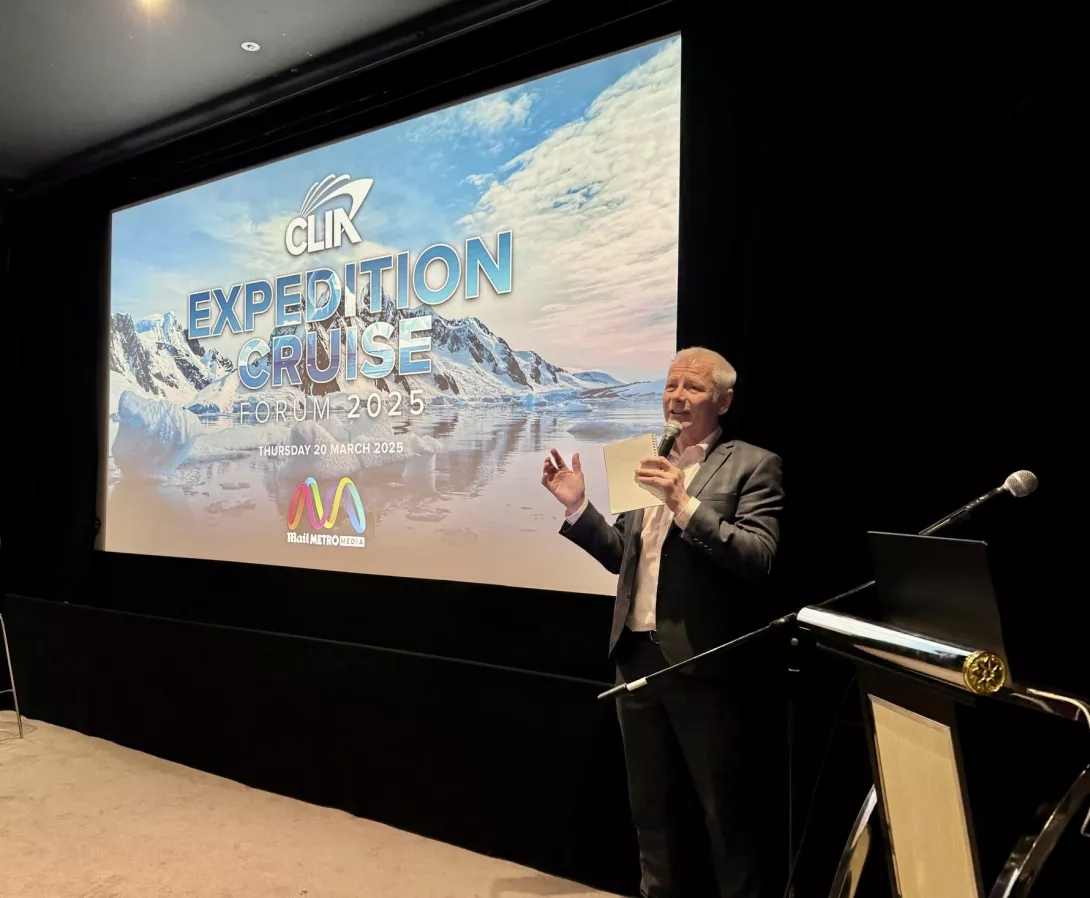
CLIA expands trade support with expedition event
Cruise Lines International Association (CLIA) UK & Ireland today (March 20, 2025) hosted 70 delegates from across the trade at its CLIA Expedition Cruise Forum.Held at the Courthouse Hotel London, the event featured:Business sessions, outlining the latest expedition insights and trendsProduct training and networking, via individual cruise lines and associated partnersAs part of the day, CLIA's latest expedition partner, ExplorEarth, announced it is hosting a dedicated section on its website - www.explorearth.com/CLIA - exclusively for CLIA members. It will feature a piece by expedition expert and writer Mark Stratton, plus an 'Ask ExplorEarth' section where CLIA members can ask its team sales or product questions. Recommended CLIA partner cruises will also be highlighted.In addition, CLIA stated a dedicated 'Small Ship Cruising Day' will be held for the trade on May 7. A series of tailored assets, information and webinars will be made available to help agents increase their knowledge and promote the sector, which includes yacht, ship and coastal cruising, as well as expedition vessels.It follows the recent unveiling of a new ‘River Cruise Day’, which is being held on April 3.Andy Harmer, CLIA managing director UK & Ireland, said: "I'd like to thank everyone from across the expedition cruise sector who supported us today, and the fantastic feedback and engagement from all the agents who joined us. Expedition travel is thriving and we're excited to help our partners enhance their sales expertise by learning more about the wealth of options at their disposal."We're also pleased to reveal plans for a further dedicated cruise day, this time focussing on the wide range of small ships available to sell. I'd encourage all agents to keep an eye out for further details on this, as well as our upcoming event next month where we'll support the trade with all aspects of river cruise sales." 20 March, 2025